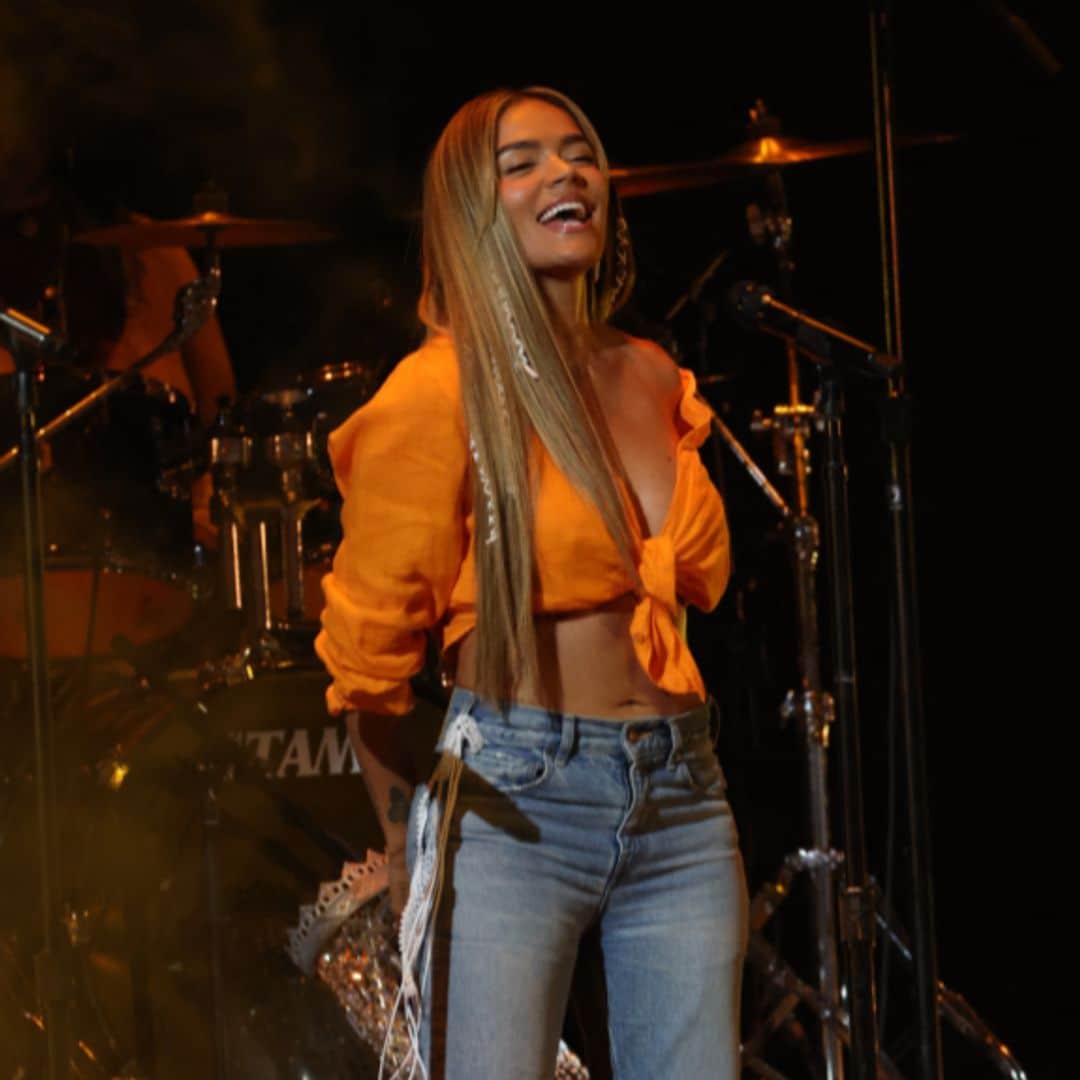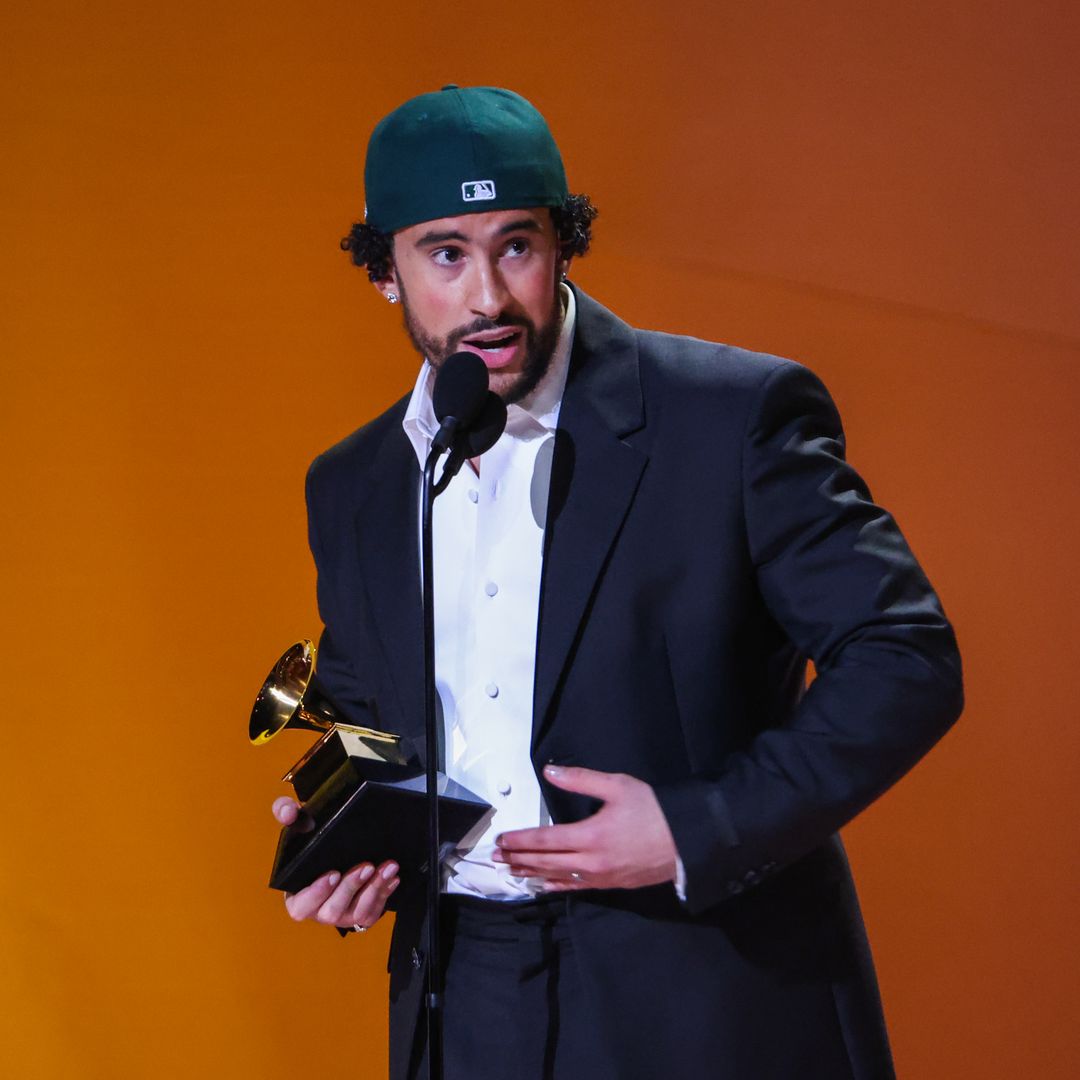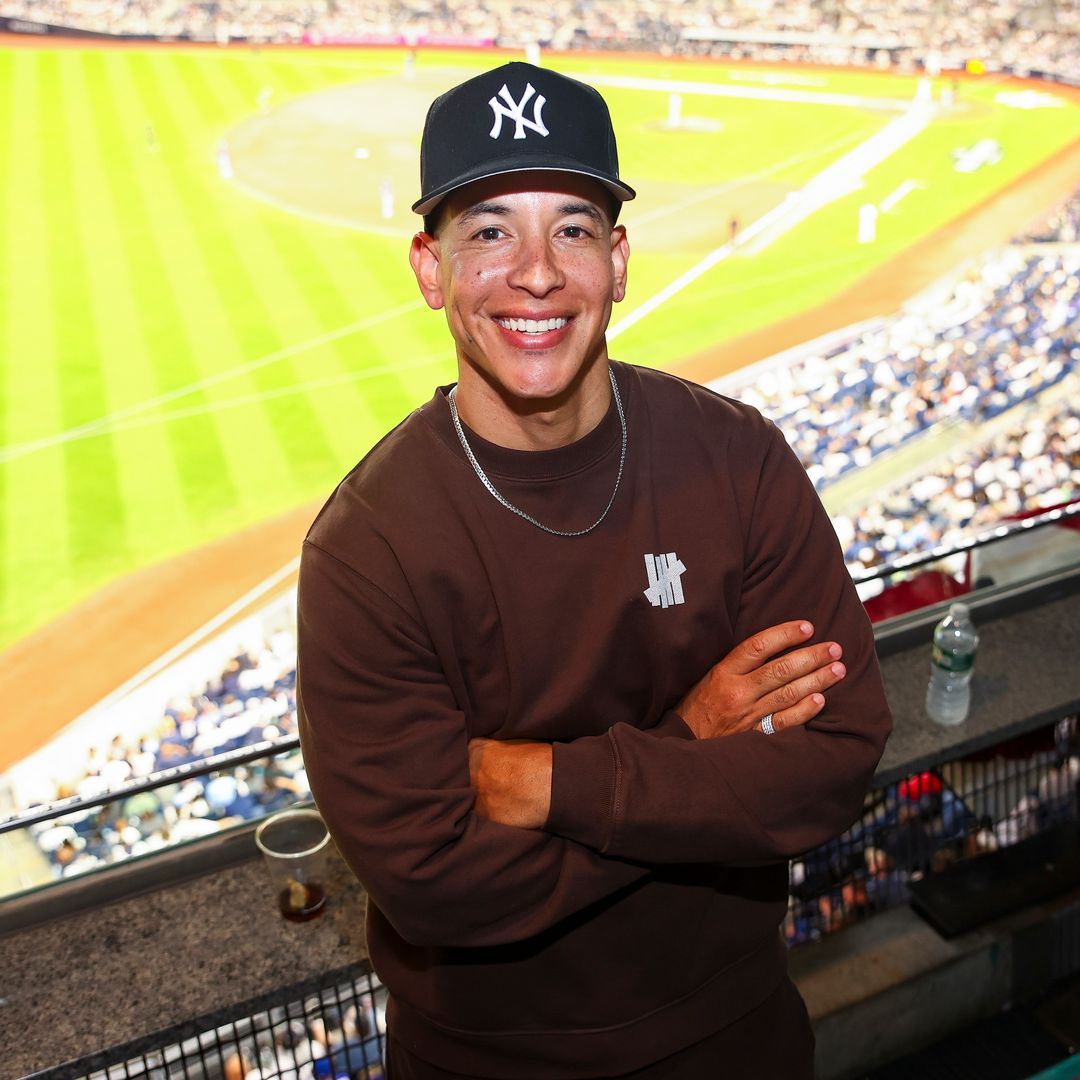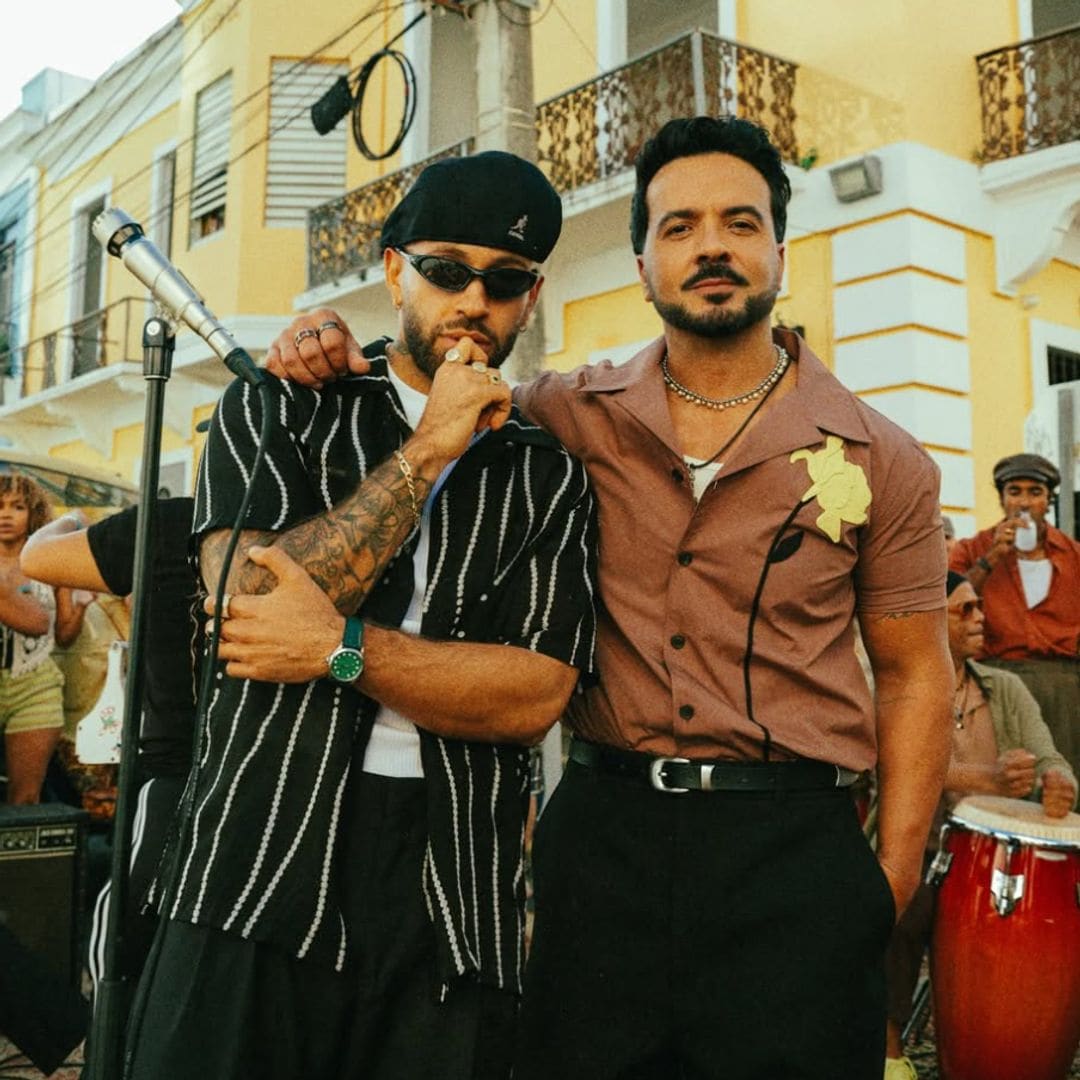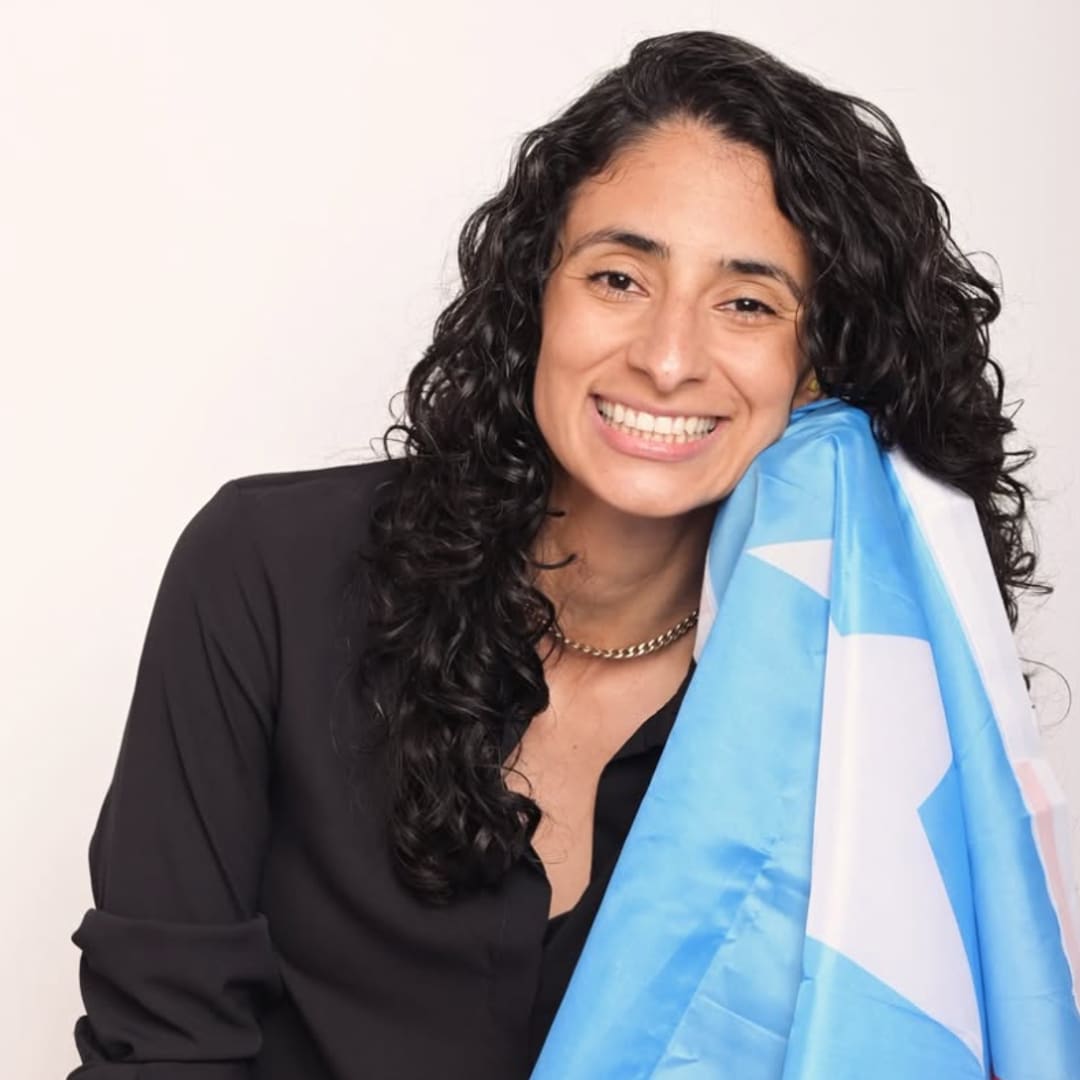
In February, the Super Bowl halftime show will carry a new kind of power. Not just volume, lights, or global spectacle, but language, culture, and access. Puerto Rican deaf performer Celimar Rivera Cosme is set to make history as she leads the signing program during Bad Bunny’s Super Bowl halftime performance, marking the first time Puerto Rican Sign Language, also known as LSPR, is featured on the Super Bowl stage.
For the millions watching around the world, it will be a landmark moment for deaf representation, Latin culture, and inclusive performance. For Puerto Rico’s Deaf community, it is something even bigger. It is visibility at the highest level of global entertainment.
 © @celimar_deafpr
Who Is Celimar Rivera Cosme
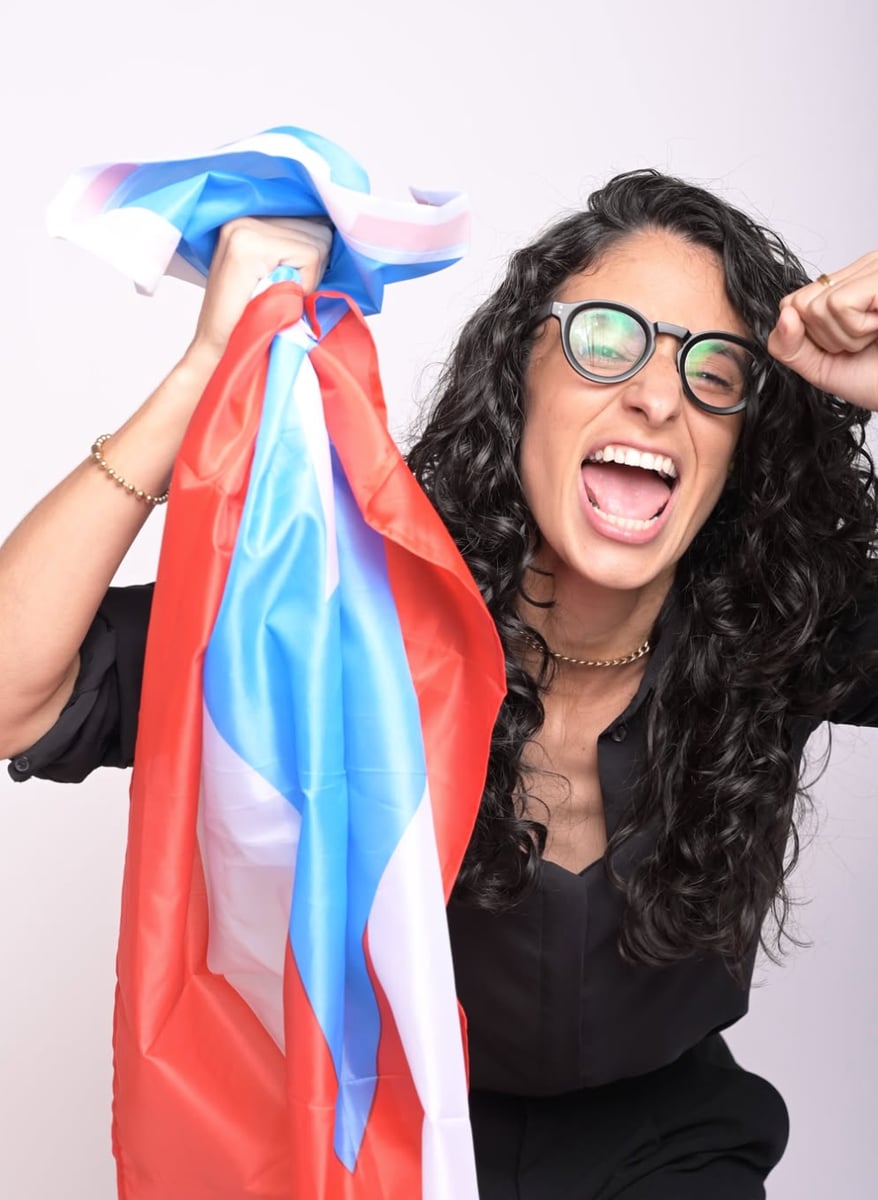
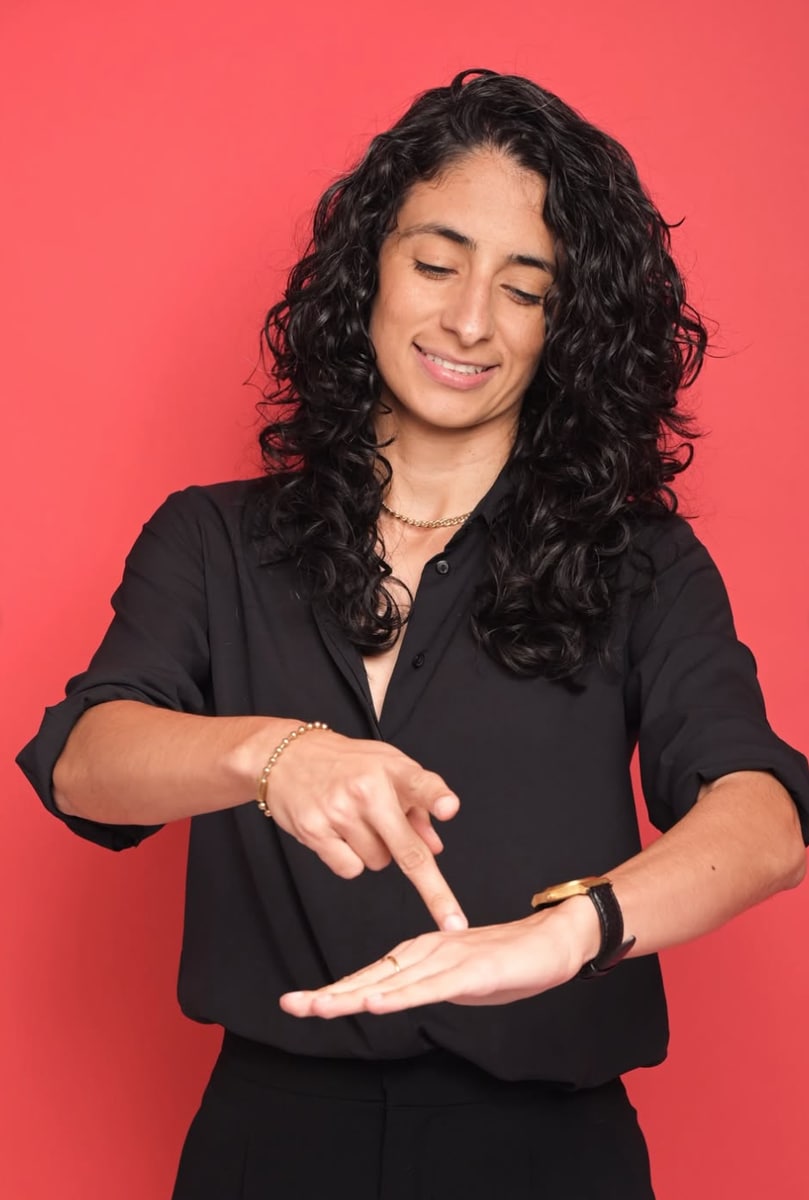
Celimar Rivera Cosme is a Puerto Rican deaf performer and interpreter who is partially deaf and deeply rooted in the island’s Deaf culture. She is known for her expressive, performance-driven approach to sign language interpretation, blending rhythm, emotion, and storytelling in a way that mirrors the energy of live music.
Her work goes beyond interpretation. She treats signing as performance art, ensuring Deaf audiences experience concerts with the same intensity and connection as hearing fans. Over the years, she has become one of the most recognized figures advocating for Puerto Rican Sign Language and Deaf representation in mainstream spaces.
A Historic First for the Super Bowl Halftime Show
The Super Bowl halftime show has featured some of the most iconic performers in music history, yet accessibility and linguistic diversity have rarely taken center stage. Celimar’s participation changes that narrative.
 © @celimar_deafpr
Her appearance will mark the first time Puerto Rican Sign Language is formally included in the Super Bowl halftime show. This distinction matters. LSPR is not the same as American Sign Language. It carries its own grammar, rhythm, and cultural identity shaped by Puerto Rico’s history and Deaf community.
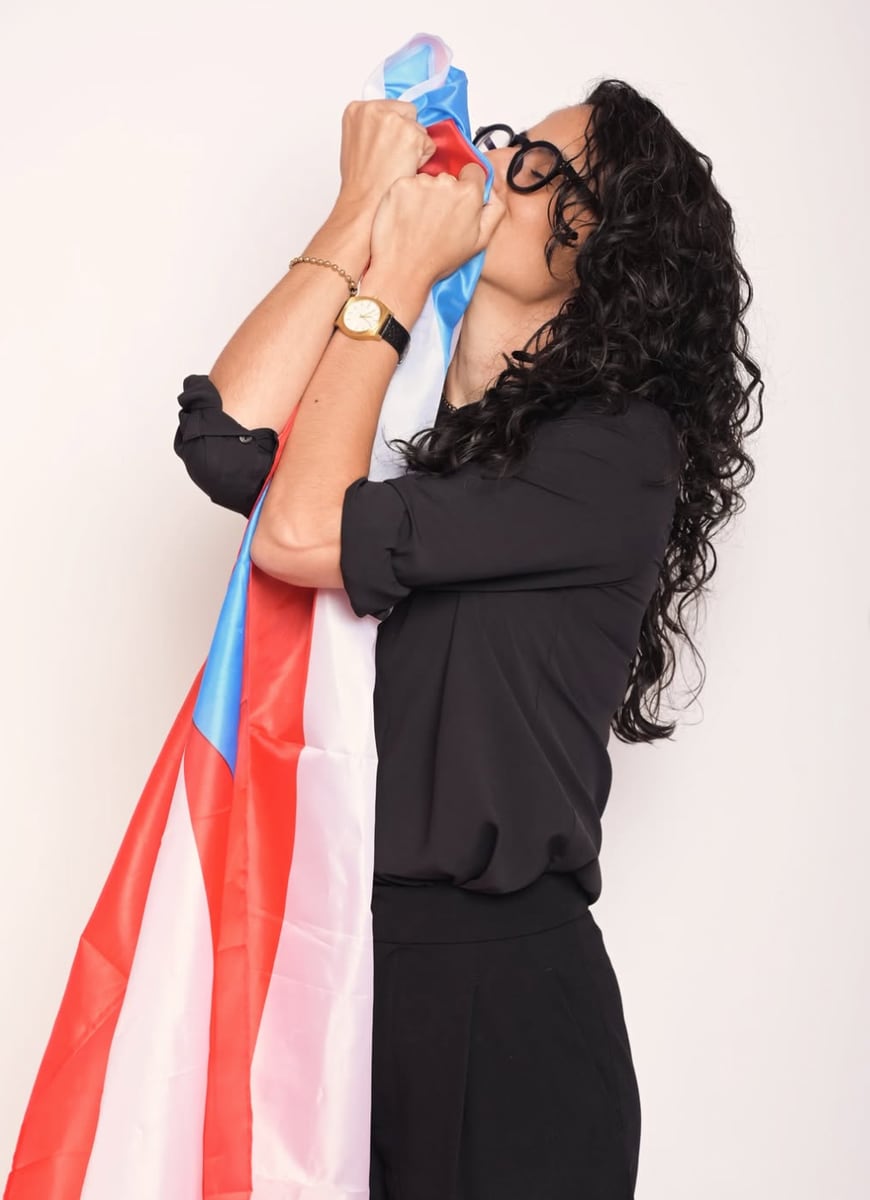
By bringing LSPR to the Super Bowl, Celimar is not just interpreting music. She is affirming that Puerto Rican Deaf culture belongs on the world’s biggest stage.
 © @celimar_deafpr
Her Longstanding Collaboration With Bad Bunny
This historic moment did not come out of nowhere. Celimar Rivera Cosme has previously interpreted for Bad Bunny during major performances, building trust and creative alignment with the global superstar.
She was part of his 2022 “World’s Hottest Tour,” where her signing performances gained widespread attention for their intensity and authenticity. More recently, she interpreted during Bad Bunny’s “El Choli” residency in Puerto Rico, a cultural milestone that celebrated the island and its people.
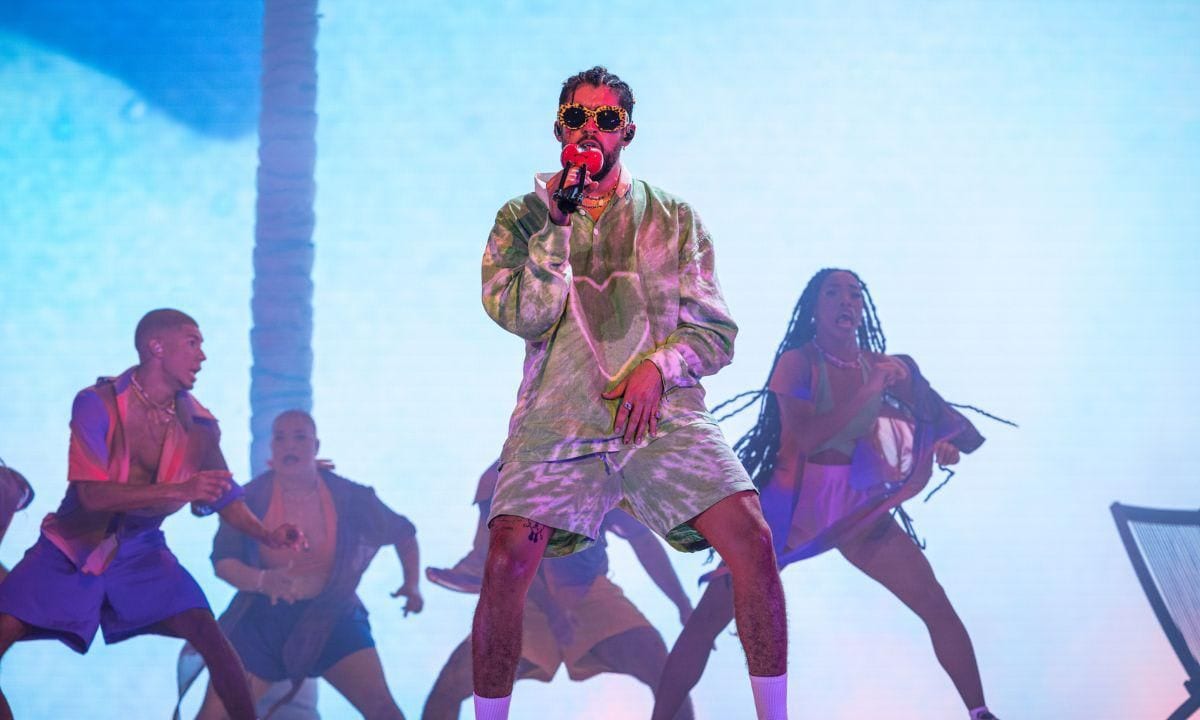 © Courtesy: Live Nation - Photo credit: Alex Perez
That ongoing collaboration makes her role in the Super Bowl halftime show especially meaningful. It reflects continuity, respect, and an understanding that accessibility should be woven into performances rather than added as an afterthought.
Representation Takes the Stage
Celimar addressed the significance of the moment directly on social media, sharing what this opportunity truly represents. She wrote, “I will be doing the performance, but what I’m truly bringing with me is the Deaf community of Puerto Rico, our language, LSPR. All of us will shine.”
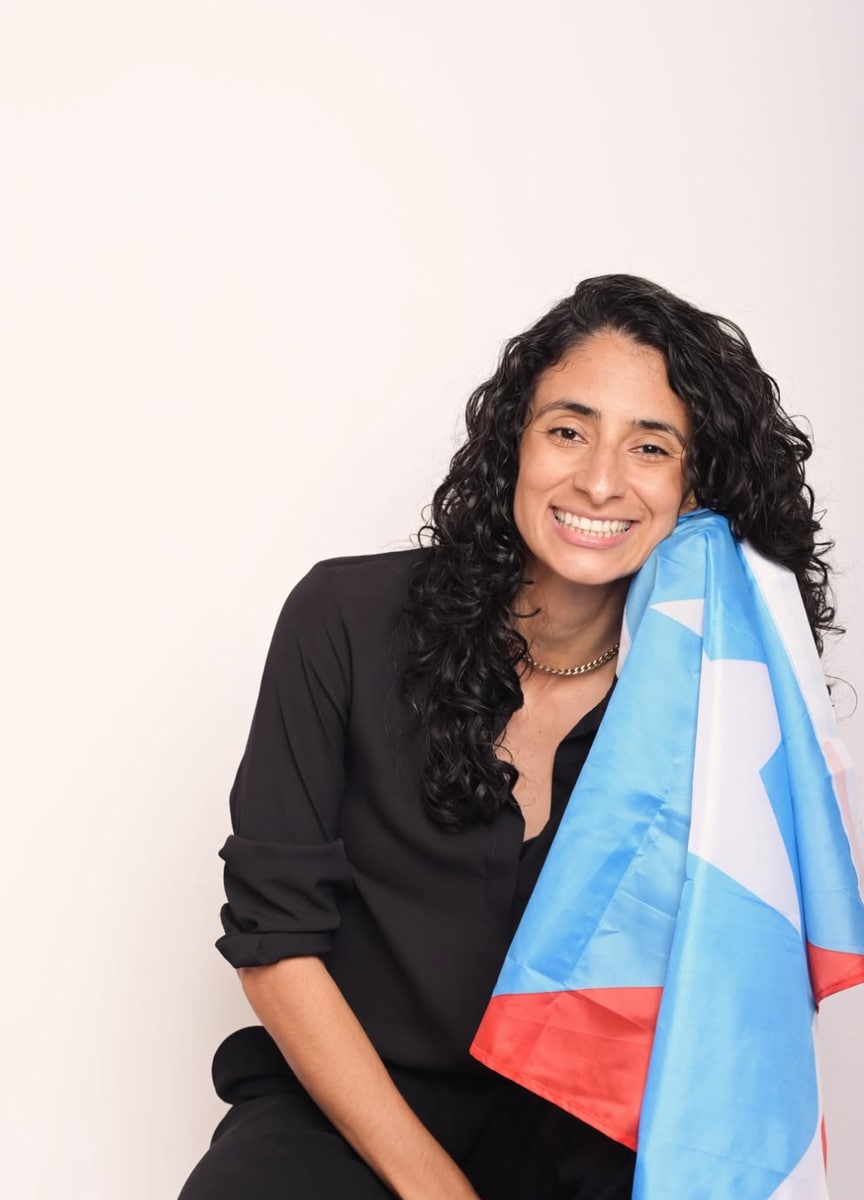 © @celimar_deafpr
In another post written in Spanish, she added, “Estoy lista para vivir esta experiencia única, disfrutarla al máximo y agradecer cada oportunidad que me ha traído hasta aquí.” The message is clear. This is not just a personal achievement. It is a collective one.
Puerto Rican Sign Language Matters
Puerto Rican Sign Language has long existed at the margins of public recognition. Many outside the Deaf community are unaware that Puerto Rico has its own distinct sign language shaped by local culture and history.
Featuring LSPR during the Super Bowl halftime show introduces it to an audience of millions. It challenges assumptions that accessibility looks the same everywhere and highlights the importance of linguistic diversity within Deaf communities. For Deaf children and young performers in Puerto Rico, this moment offers something rare. Proof that their language and identity are not barriers, but strengths.
A Forward Step for Inclusive Entertainment
Celimar Rivera Cosme’s Super Bowl performance reflects a broader shift in entertainment toward inclusion and authenticity. It shows what happens when accessibility is treated as artistry, not obligation.
As the halftime show unfolds in February, audiences will witness more than music. They will see movement, language, and cultural pride shared in real time. Representation will not be a footnote. It will be part of the headline.