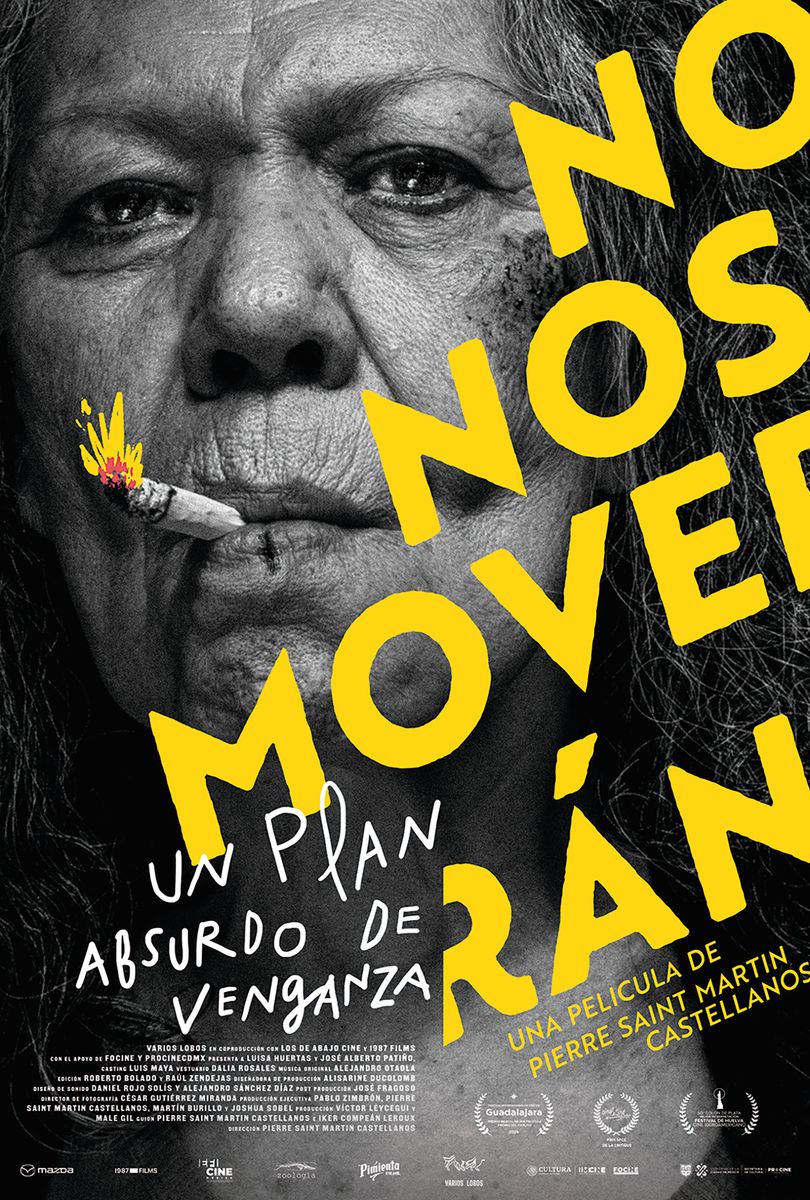
Some films that deal with historical moments tell you what happened. No Nos Moverán (We Shall Not Be Moved) tells you what happens after.
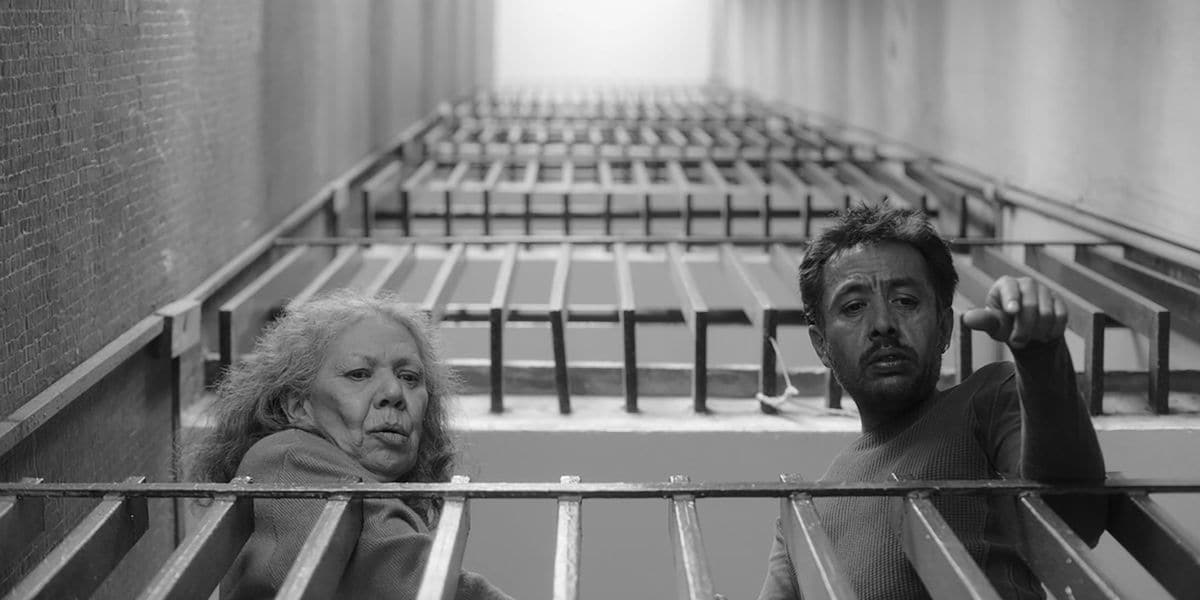
Shot in striking black and white, the acclaimed Mexican indie follows Socorro, a 67-year-old retired lawyer who has spent nearly her entire life carrying one question she cannot release. She wants to know who killed her brother during the student protests of October 2, 1968, when the government violently forced demonstrators at Mexico City’s Plaza de las Tres Culturas. Decades later, the country has moved forward. However, Socorro, the protagonist played by Mexican actress, Luisa Huertas, can not.
When a new clue finally appears, she sees a chance to do what history never offered her family. She can confront the man responsible. But revenge comes with consequences. Socorro’s obsession has already strained her relationships with the people closest to her, including her sister, Esperanza, and her son, Jorge.
The film, which is Mexico’s official submission for the 2026 Oscars (Best International Feature) has become one of their country's biggest success stories, earning a rare 14-week theatrical run, winning top honors at the Guadalajara International Film Festival, and collecting multiple Ariel Awards, including Best First Feature and Screenplay. Now, as the film continues its awards-season momentum and international conversation, it is also preparing for a major milestone. Thefilm was released on Hulu and Disney+ on January 1st, 2026, bringing this story to audiences across the United States.
You may also like
Director Pierre Saint Martin says the film began with the 50th anniversary of the 1968 movement, but its emotional core is rooted in something even more intimate. It is rooted in family memory. Inspired by his mother’s personality and family tragedy, the film confronts Mexico’s trauma through the personal wounds that never fully disappear.
In this conversation, Saint Martin chats with ¡HOLA! about why Luisa Huertas was the only possible Socorro, and how black and white, and symbolism, were essential to telling a story about grief that refuses to move on.
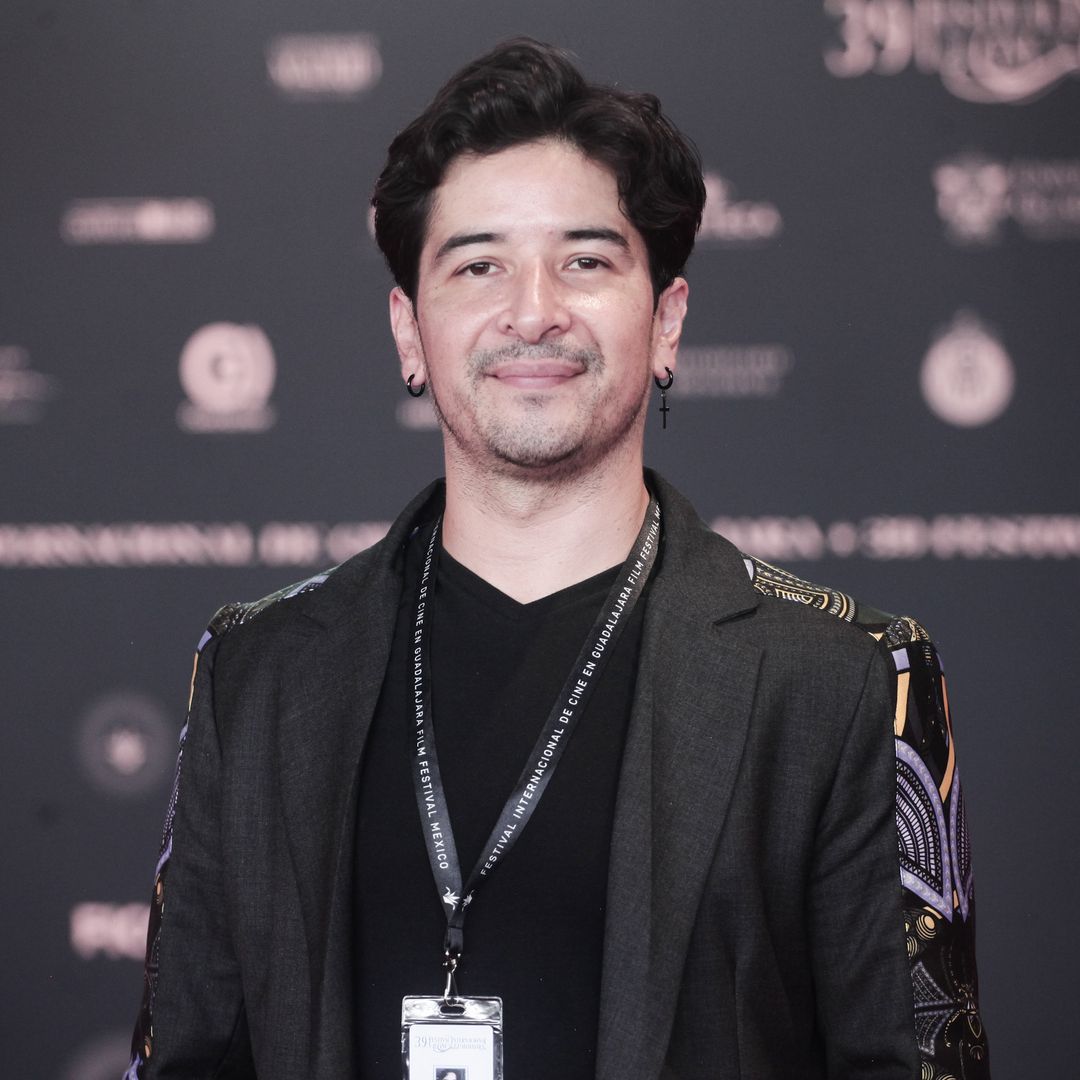
Mexican director Pierre Saint Martin attends a red carpet for special guests as part of the Guadalajara International Film Festival 2024
First of all, congratulations. What a film. This must feel like a huge year for you.
Thank you so much. It has been an incredible year. And I am especially excited about the Hulu premiere this January. For me, one of the most beautiful things that can happen to a film is reaching more people. As that helps keeps the movie alive. That matters to me more than anything.
Let’s go back to the beginning. What made you want to tell a story that is so painful and so tied to Mexico’s history?
It came from two main places. First, the 50th anniversary of the 1968 student movement. In 2018, that anniversary brought everything back to the surface for me. I remembered how deeply I had been affected by stories about that time, starting with the film Red Sunrise by Jorge Fons, which is how I first learned about 1968.
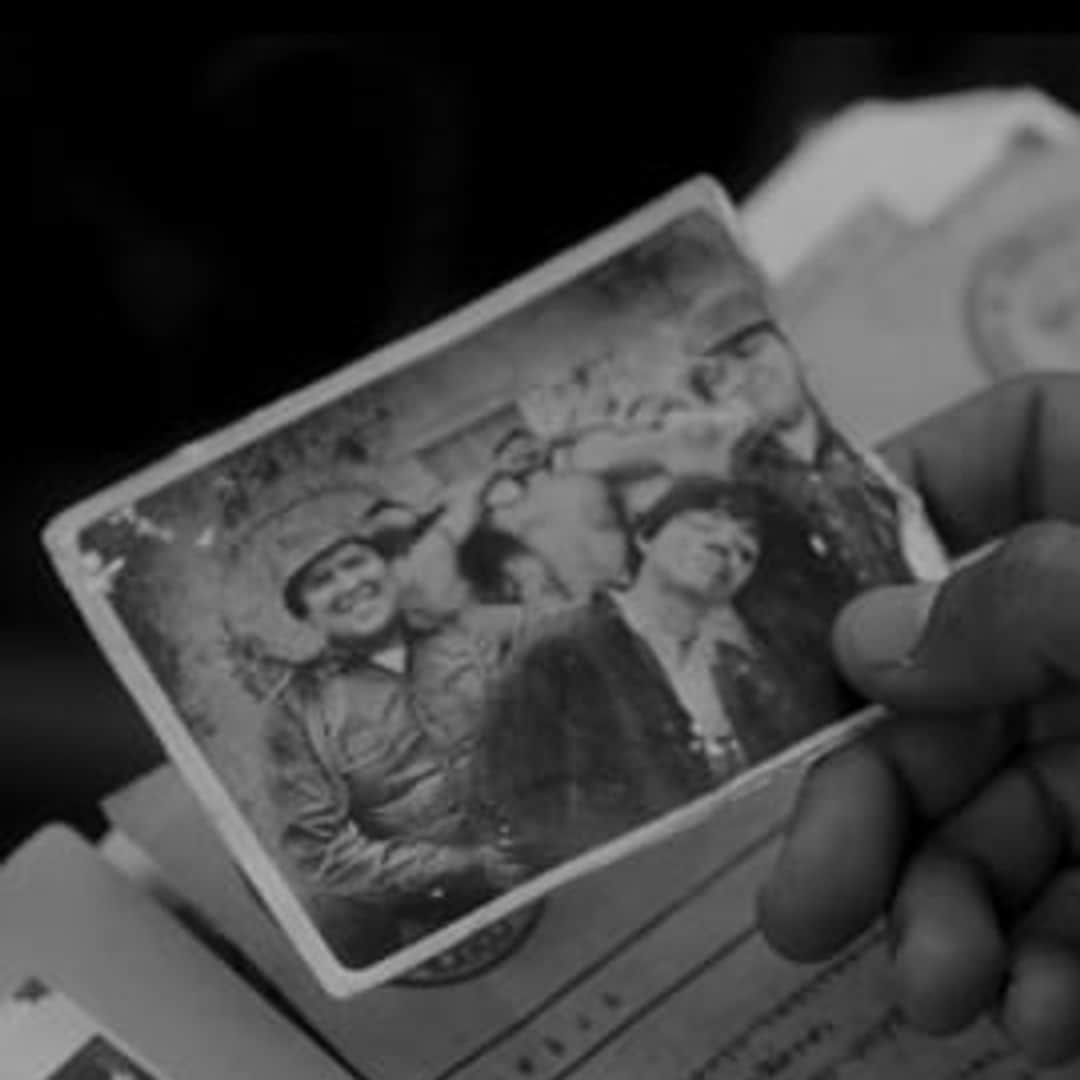
Then I returned to the books by Ramón Ramírez, by Alba, and, of course, Elena Poniatowska. In one of her books, I saw a photograph that disturbed me deeply: two soldiers smiling at the camera while they hold a student down. I could not stop thinking about it. That could be someone’s brother. Someone’s son. It could be the last image their family ever sees.
That image made me wonder what happens to the families afterward. What happens to the people who are left behind?
The second place was personal. My uncle died when he was 17. He was not a militant, but his death stayed with my mother in a very intense way. She carried so much guilt about not being able to help him. So the film became a mix of history and personal experience. I wanted to look at 1968 from the intimate, family side. In a way, it is also a tribute to the people who survived and who still speak about what happened.
“Black and white felt like something nostalgic, and the film is very connected to nostalgia. But above all, it was about immersion, to see the world through someone who cannot let go of the past.”
Pierre Saint Martin
I read that Socorro was inspired by your mother. And Luisa Huertas is extraordinary. How did you find her? How did you know she was your Socorro?
Luisa is a very respected actress in Mexico, in both theater and cinema. She has more than 50 years of experience. I admired her talent, so I had no doubt about her artistry. But I wanted something else too.
I like it when actors share something real with the people who inspire the characters. So I watched an interview with her, because I did not know her personally, and I listened to how she spoke.
She has humor. She has strength. She is decisive. But there was also something I had not seen in her roles before: fragility. A kind of vulnerability that felt very human. That combination reminded me of my mother. That is when I said, it has to be her.
We gave her the script, and she loved it. It was a very joyful process.
Tell me more about your mother. She feels like a presence in the film.
My family is very small, and my mother is one of the few people I have left. She is incredibly important to me. And she is a very particular person.
She taught me to look at people with empathy. To see the gray areas, the contradictions. She always taught me that people deserve respect, no matter their social status, culture, race, religion, or anything.
And she is also someone who respects and bothers, if I can say it that way. She is contradictory, and I recognize that in myself too. So when you hear her voice in the film, it is also my voice. It is not only her speaking. I speak through her.
The black and white cinematography is stunning. Why was that the right choice for this story?
Because the film is about someone who is trapped in the past. Socorro is obsessed with a photograph, with a single moment. And that photograph is black and white.
So for me, it became a way to show her perspective. It is as if she sees the world through that photograph. Through that obsession. Black and white also carries a sense of nostalgia, and the film is very tied to it. It helps you enter her inner world.
The music choices are also powerful, especially the Joan Baez song. How did that become the title?
That song appeared while I was writing. At that time, the film did not even have a title. I was listening to music from that era, and I heard a live version of Joan Baez singing it.
What hit me first was the chorus, with the crowd chanting, “No nos moverán.” It felt immediately connected to the story. These are characters who refuse to move. Who refuse to let go. Those who refuse to stop fighting, even when everything tells them to.
I started researching the song's history, and the meaning kept aligning with what I was writing. I was worried about rights, but it is a very old song and also a popular one. So we felt comfortable using something so emblematic for a film that is emotional and deeply personal.
"I saw a photograph where two soldiers are smiling at the camera while they are holding a student down. That photograph disturbed me deeply. I thought, this could be someone’s brother. Someone’s son. It could be the last photograph their family ever sees."
Pierre Saint Martin
I have to ask about the symbolism. The pigeons, the feathers. It’s haunting, especially when Socorro falls. Was that intentional?
Completely intentional. The pigeons are like another character in the film.
In my vision, it connects directly to 1968. The white pigeons released during the Olympics occurred shortly after the massacre and are also a symbol of peace. That contradiction fascinated me. Violence and “peace” exist in the same historical moment.
And I also liked the idea that Socorro has a relationship with something ethereal rather than human. The feathers represent a break. A rupture between one moment and another. Between the past and the present.
With all this momentum, and now a Hulu debut, what does it feel like to see the film traveling so far?
It is very moving. We feel grateful. The entire journey has been full of beautiful surprises. And it is exciting to represent Mexico internationally, whether at the Oscars, the Goya Awards, festivals, or now Hulu. Every platform extends the film's life, allowing more people to see and connect with it.

 © Courtesy
 © Leonardo Alvarez Hernandez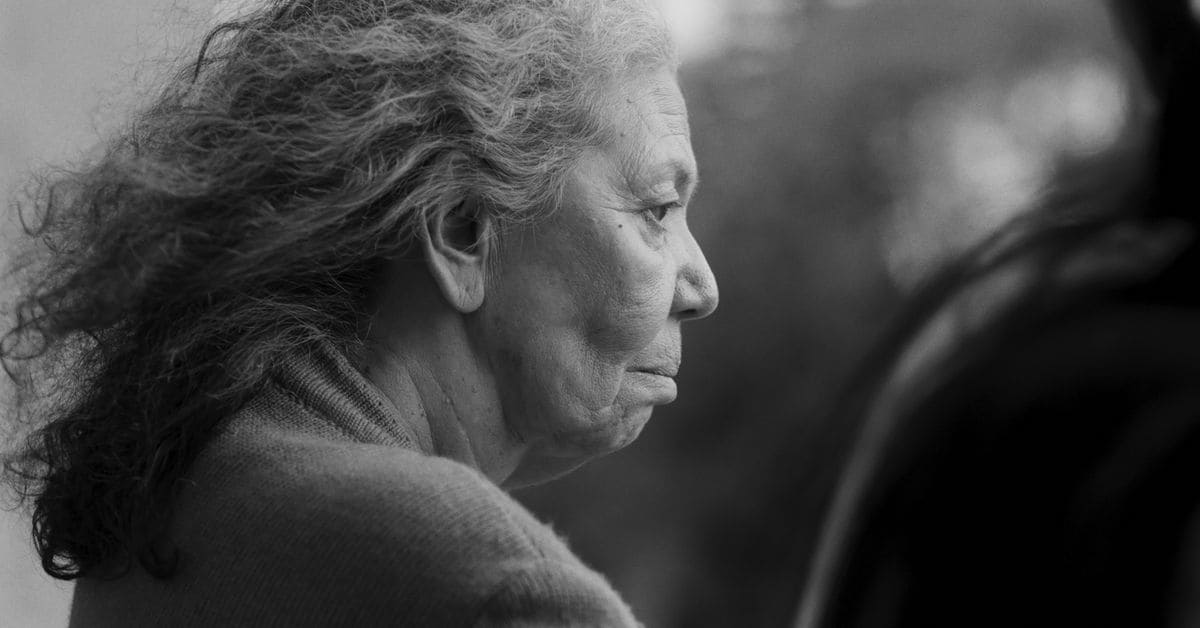
 © Courtesy