Carlos Manuel Vesga is still reckoning with the impact of "Pluribus." The series was one of the most anticipated releases of the year, marking Vince Gilligan’s return to television. Gilligan’s name is associated with the upper echelons of the medium: he created "Breaking Bad," one of the series most often cited as a defining example of the Golden Age of Television. Years later, he delivered "Better Call Saul," its beloved prequel.
 © Apple TV+ via Getty Images
"Pluribus" is a step in a new and strange direction. Airing on Apple TV+, the show has a stunning look and leans toward science fiction. Every frame is filled with color, with Gilligan and his team knowing exactly how to make their New Mexico setting pop and look better than ever. While the series is unlike any of the shows previously developed by Gilligan, it retains his deep commitment to character. In recent months, the show was renewed for a second season and earned two Golden Globe nominations.
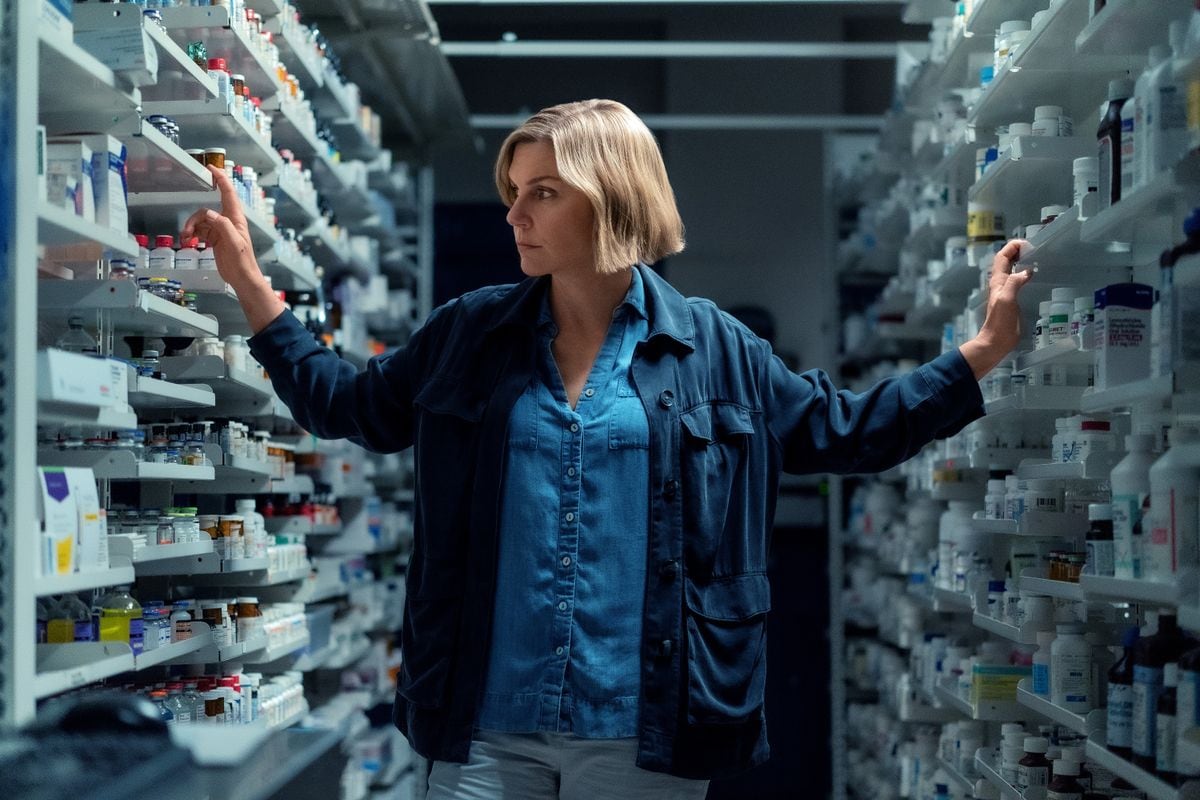
"Pluribus" follows Carol (Rhae Seehorn), a misanthropic author whose life is uprooted when a virus infects the majority of the world’s population. The disease? A collective hive mind, where every person on Earth is connected, working together to eradicate violence and cruelty from the world.
Vesga, like any TV lover, knew of Gilligan and his oeuvre, yet he was still unprepared for the scale of working on one of his shows. “This whole experience has been a first in everything,” he said in an interview with HOLA!. “I had to have someone explain to me how Rotten Tomatoes works. I didn’t know. I mean, I was like… ‘Okay, 100 percent — what does that mean?’”
 © Apple TV+
"The mere fact that I am here, doing this — having this conversation with you — required so many stars to align."
He took part in an extensive casting process that involved some of the leading actors across Latin America. “It’s been surreal,” he said. “I’m still trying to understand everything that’s been going on. You have to keep in mind that I’m a Colombian actor whose career has taken place primarily in Colombia. And I was cast through a process that spanned the entire region.”
“Just the mere fact that I am here, doing this — having this conversation with you — required so many stars to align,” he said. “It’s beautiful, and it’s humbling.”
 © Apple TV+
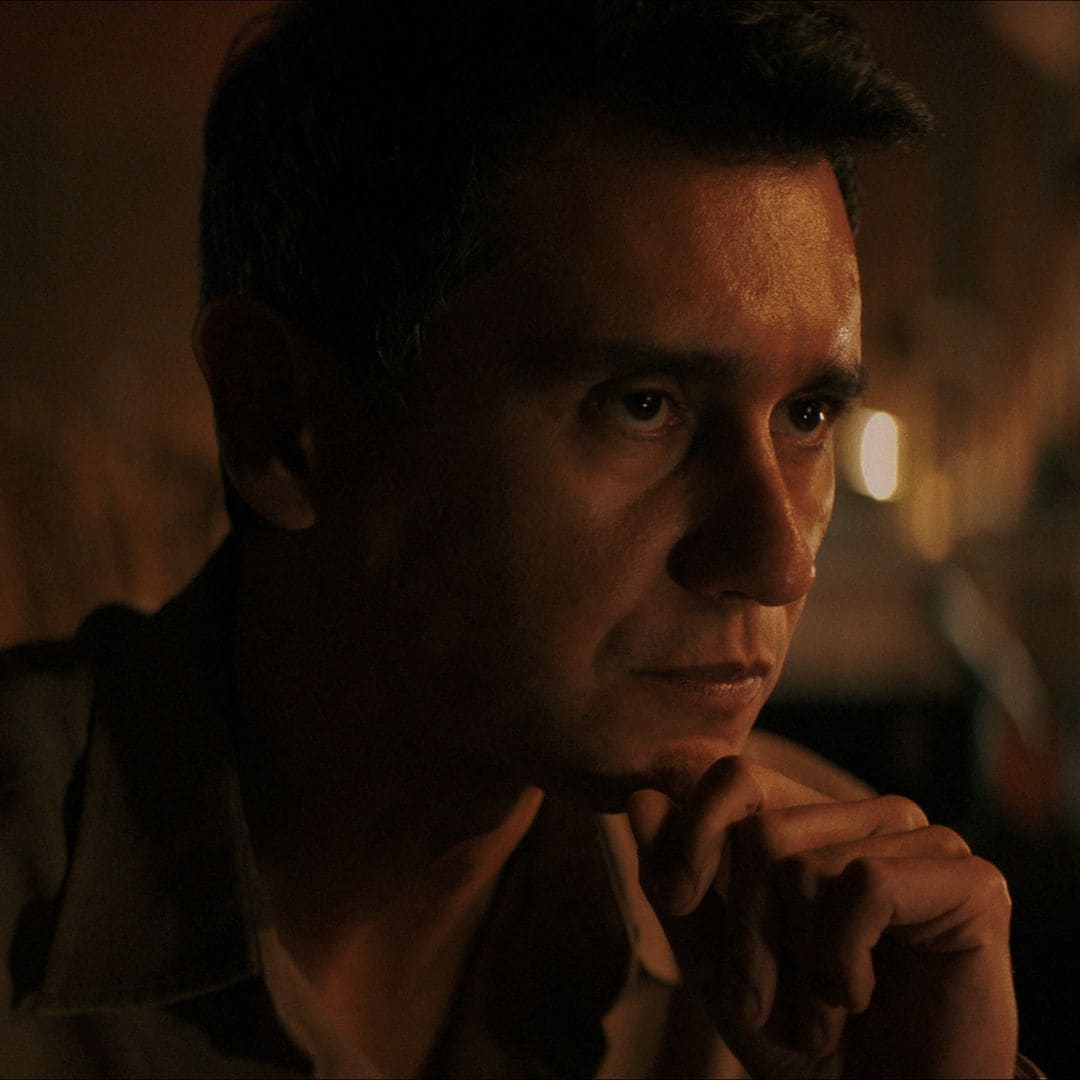
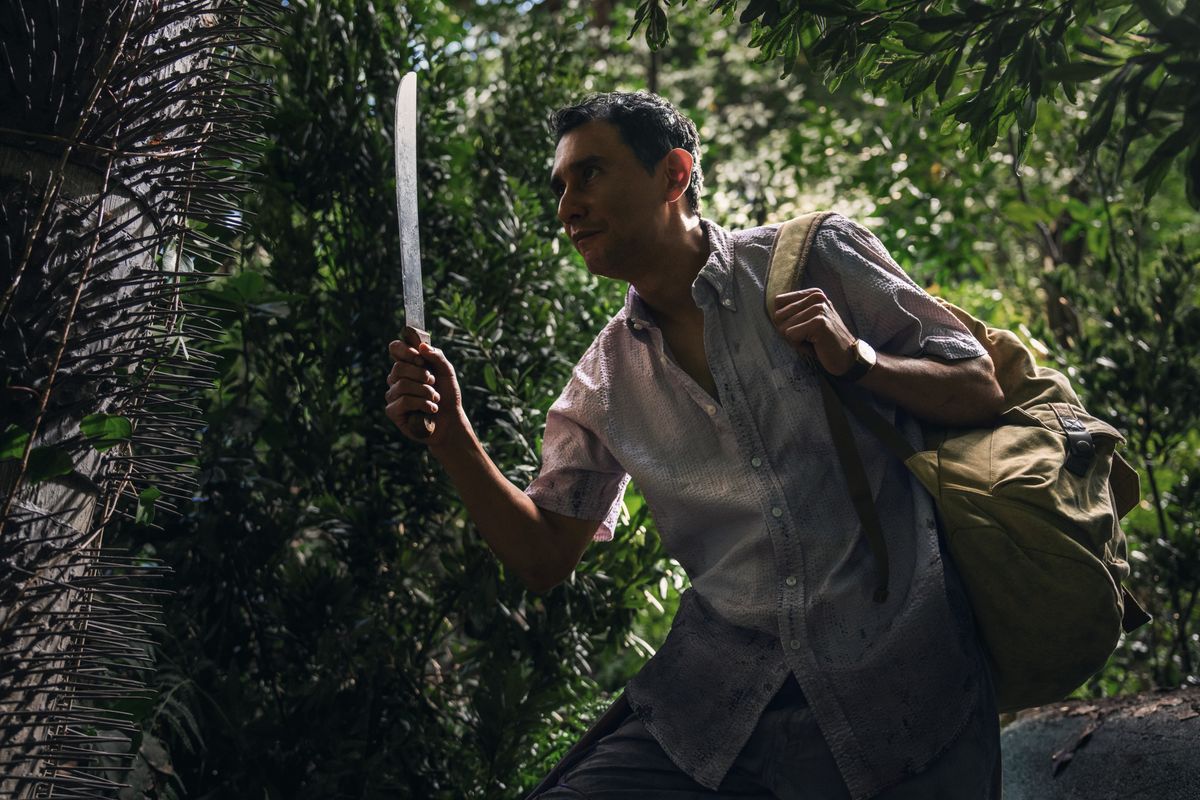
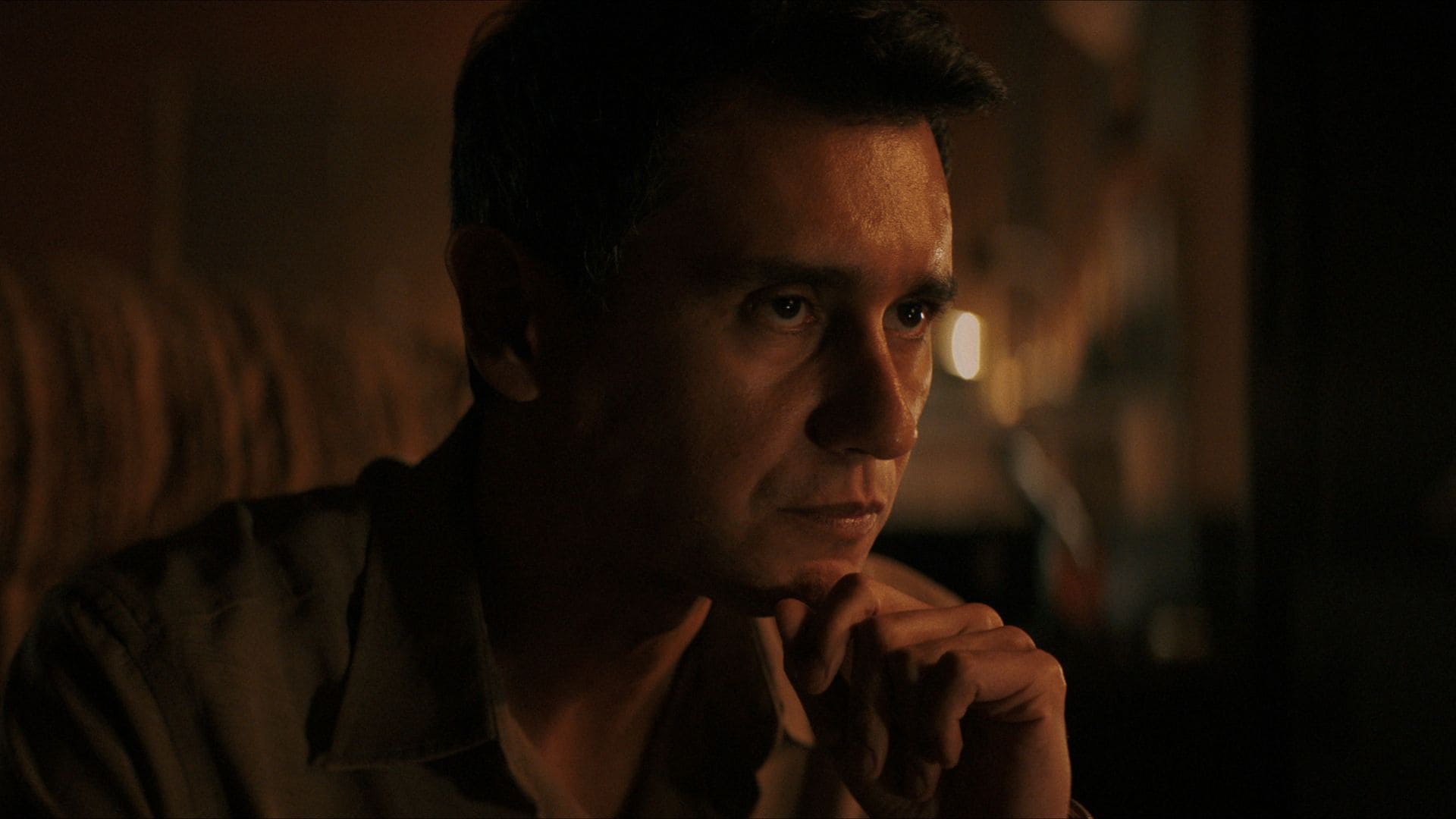
Vesga has worked for years in Colombia, having credits in television, film, and theater. He plays Manousos, one of the key roles in "Pluribus," and arguably the show's most intriguing character. His story is explored sporadically in the first half of the season, finding him on the other side of the hemisphere as another person immune to the virus. Manousos, like Carol, resists the influence of the Others and longs to return to the world as it once was. Vesga’s performance is magnetic — the kind that makes you appreciative of casting new faces, with his every appearance making for a discovery that delivers a jolt of electricity.
Most of his scenes find him alone, delivering an almost silent performance. Manousos is a character that we come to understand through action: his diligence as he listens to the radio, hoping to hear from others like him; the strength of his convictions as he turns down fresh food and chooses to eat dog food. “You know, it’s funny — a couple of months ago I had this realization,” Vesga said.
“I told Vince, ‘Do you know that I came to set with nothing prepared?’ It was only physical actions. I couldn’t really rehearse anything because I knew that it wouldn’t be until I got to set that someone would explain, ‘Okay, here’s the radio, here’s the sardine can, here’s the dog food — you move from here to there.’”
 © Apple TV+
Throughout his career, Vesga had relied on dialogue as the building block for understanding character — something he had to unlearn during the shoot. “I just had to be open and available for them to do whatever they wanted with the scene,” he said. “I loved it.”
“It wasn’t instant love,” he added with a laugh. “There was a period of adaptation. But it was such a wonderful challenge and learning experience.”
"Pluribus" is available to stream on Apple TV+. The series finale airs December 24.