The countdown to the 2026 FIFA World Cup is about to feel very real. The group draw always sparks debate and daydreams, but the moment when the tournament truly snaps into focus is the release of the official match schedule. That is when the World Cup stops being an idea and becomes a plan.
This edition is already historic by design. Forty-eight national teams. One hundred and four matches. Three host countries sharing the stage. Bigger is the headline everyone knows. More demanding is the part that makes this tournament fascinating.
 © Getty Images
Why the Schedule Reveal Is a Global Moment
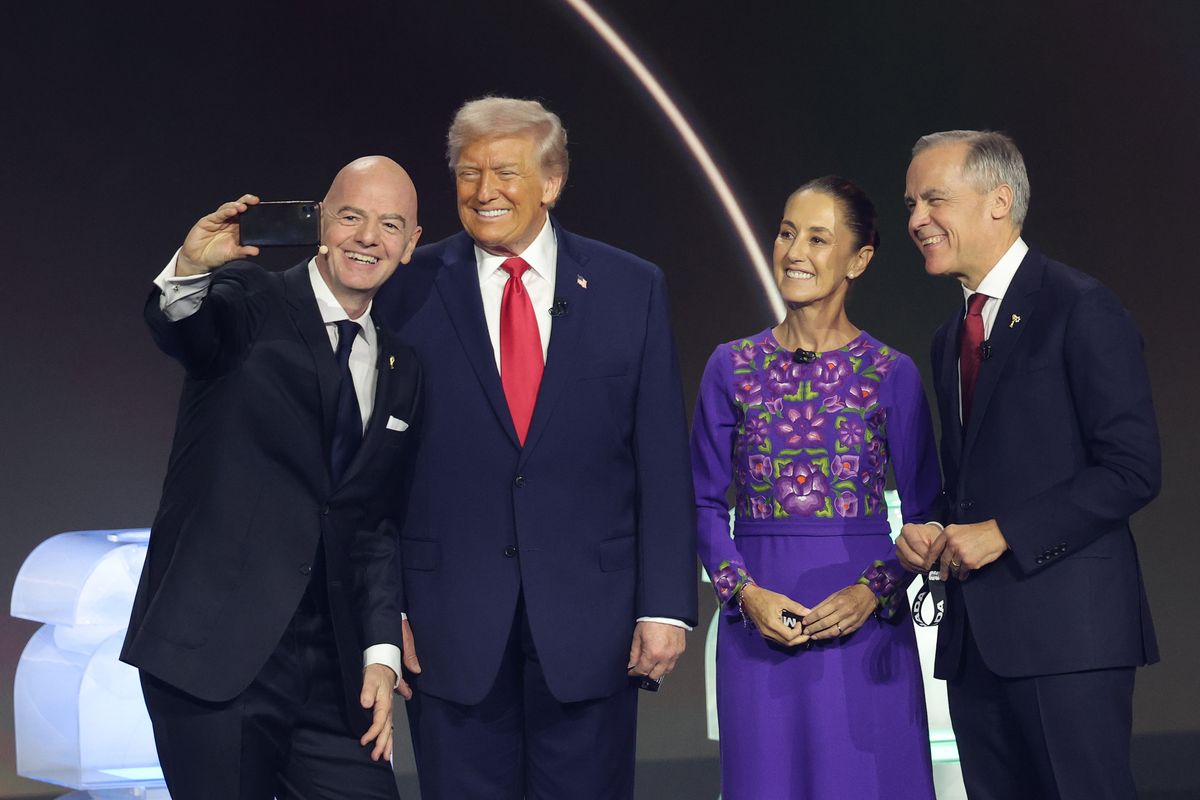
FIFA unveiled the official match schedule during a global broadcast available on FIFA.com, FIFA+, and FIFA’s official television and digital platforms, supported by authorized broadcasters around the world. This is not a quiet upload or a press release buried online. It is a shared moment, designed for fans everywhere to experience at the same time.
That matters because soccer is emotional synchronization. Fans in different time zones will be watching together, refreshing feeds, sharing reactions, and immediately asking practical questions disguised as excitement. Can I get there? Can I take time off? Can I afford this? The schedule reveal is where hope meets logistics.
 © Middle East Images/AFP via Getty
This broadcast is essentially the unofficial opening ceremony of the World Cup year.
The Schedule Sets the Emotional Rhythm
A World Cup schedule may look like a spreadsheet, but it functions more like a heartbeat. For fans, this is the moment when imagination turns into commitment. Calendars get marked. Travel routes become real possibilities. Accommodations move from maybe later to book now. Viewing parties are planned. Entire summers are quietly reorganized around kick-off times.
 © Getty Images
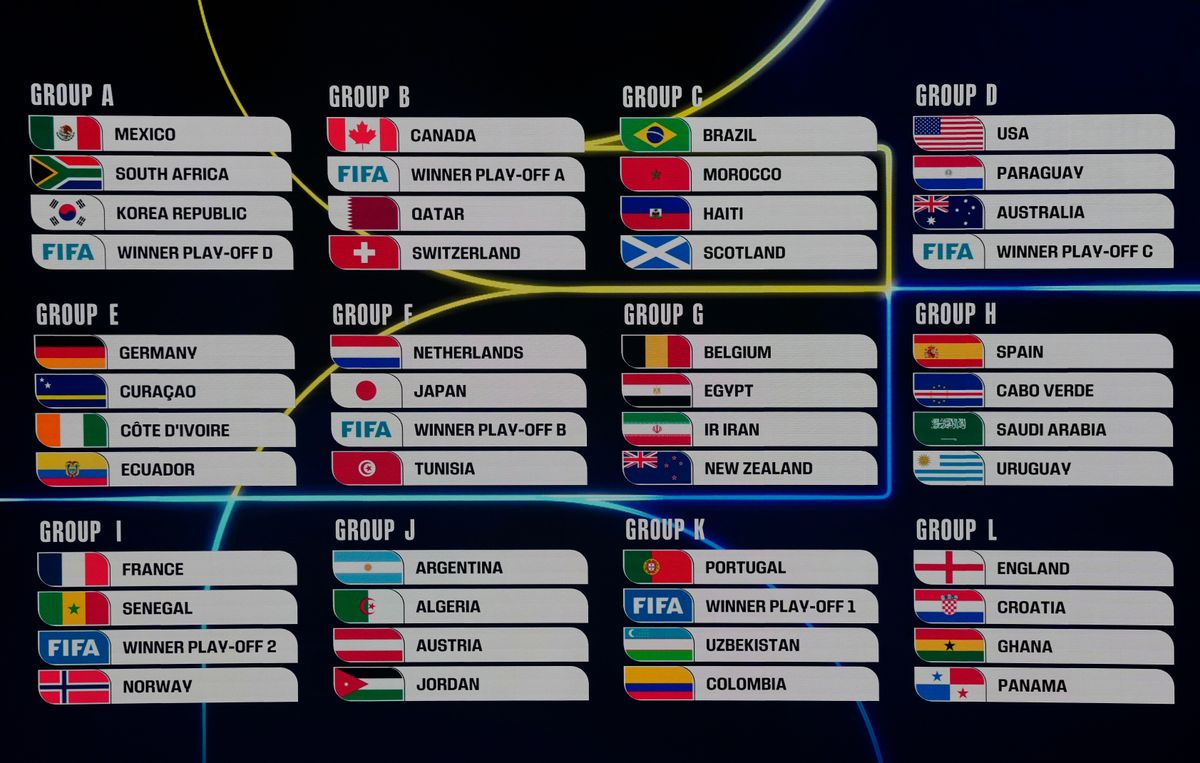
For host cities across Mexico, the United States, and Canada, the schedule is the starting point for everything else. Transportation systems, security planning, volunteer coordination, hospitality staffing, and citywide events all orbit these dates. A World Cup match is not just ninety minutes on the pitch. It is a full-scale urban operation.
For national teams, the schedule becomes an early strategic document. Rest days matter. Travel distances matter. Climate differences matter. A short turnaround combined with a long flight can affect recovery, rotation, and preparation. The schedule shapes competitive balance long before tactics enter the conversation.
An Emotional Map of the Tournament
Once the schedule is public, fans immediately start reading between the lines. Which matches will be played at night? Which games will kick off early? Which group stage fixtures suddenly feel like must-watch television because of timing or location?
 © Getty Images
The schedule allows fans to anticipate where intensity might peak and where surprises could quietly emerge. This is also where future classics begin to reveal themselves. A group stage match on paper might look routine until context turns it into something electric. The schedule gives us the emotional map of the tournament, highlighting not just where games will be played, but how they might feel.
Three Countries, One Carefully Balanced Tournament
Hosting the World Cup across three countries makes this edition unprecedented in scale and complexity. Different borders, climates, cultures, and fan traditions all have to fit into one coherent competition.
 © Getty Images
That is why the schedule reveal is not a formality. It is a carefully produced showcase designed to explain how matches are distributed to ensure fairness, manageable travel, and a smooth experience for players and fans alike. Balance is the invisible star of this World Cup.
The goal is not just to host more matches. It is to make the expanded format work without exhausting teams or overwhelming cities.