From the moment Tonatiuh walked onto the set of Kiss of the Spider Woman, he sensed that this was not just another film. Portraying Molina, a queer man imprisoned under a repressive regime, he found himself inhabiting a character whose humanity and resilience illuminated the film’s heart.
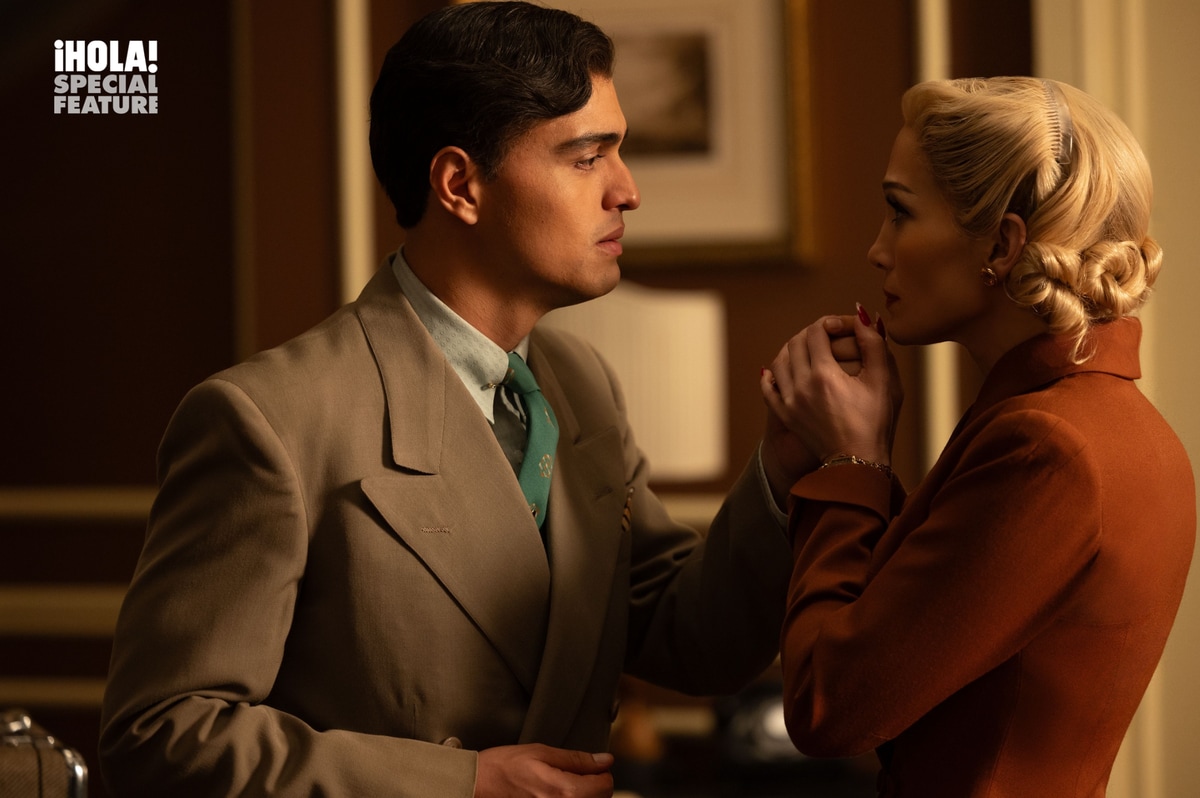
Sharing the screen with Jennifer Lopez and Diego Luna, he discovered a kind of emotional intensity that transcended the scripted moments. “I cared with my life,” Tonatiuh recalled of his first rehearsal with Lopez during one of the film’s opening ballroom dance numbers.
 © Jackson Davis
“She stopped and said, ‘I think this is going to be your Selena moment.’ And I just. I was overwhelmed,” he said about one of the most emotional moments while filming.
For an actor whose career had been quietly building through television and independent films, this moment felt monumental. The words from Lopez were not just encouragement. They were a validation of the years of hard work, the endless auditions, and the moments of doubt.
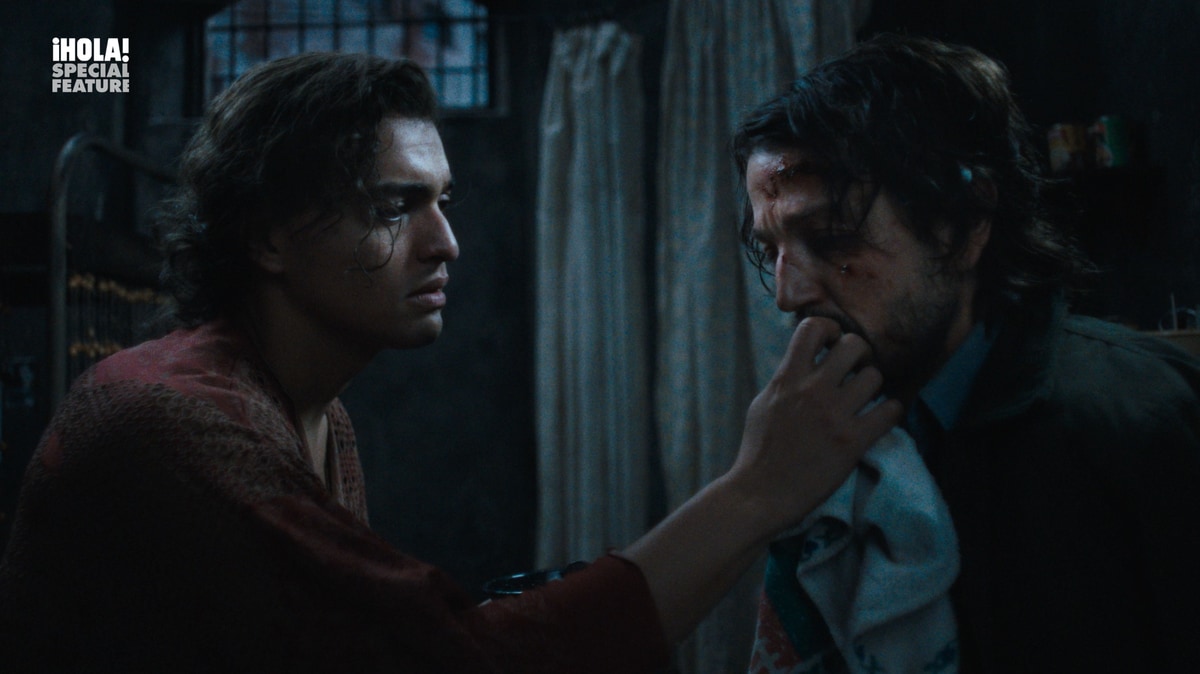
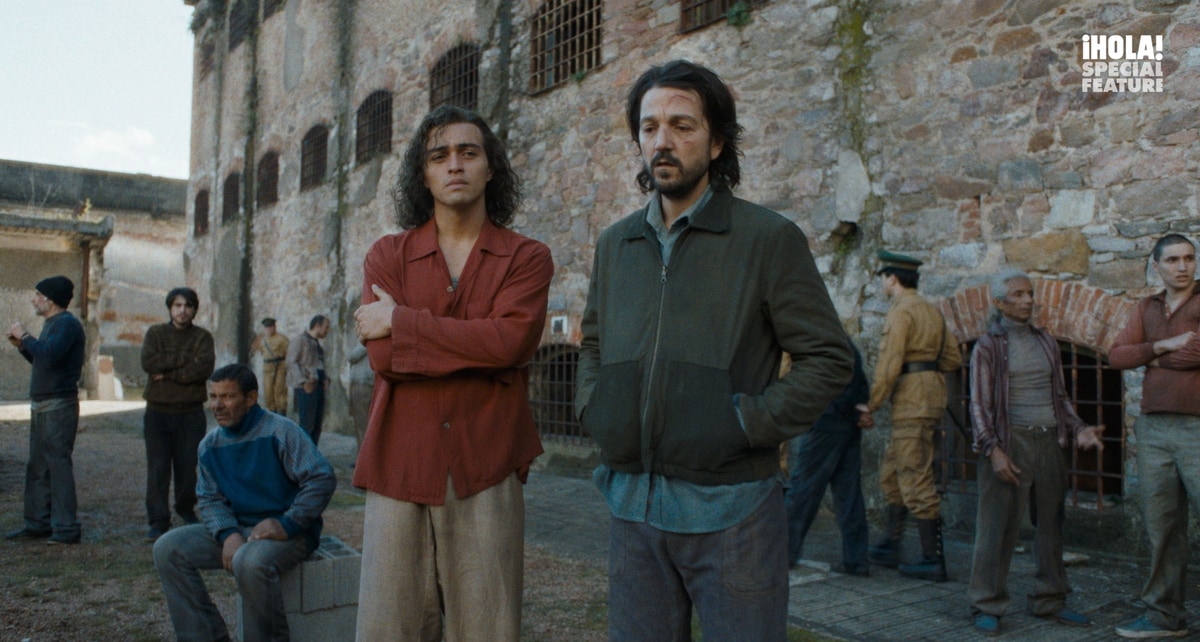
Tonatiuh’s collaboration with Diego Luna brought a different kind of intimacy. “We spent so much time together in that cell,” he said. “And being two Mexicans in a room, we were cracking jokes, having a good time, and then, when it came to goodbye… it hit hard.”
 © Roadside Attractions
"With everything that’s been happening, it felt like I could contribute in my own special way to the cause, to the community, to bring dignity back to the LGBTQ gender, queer, and even the Latino community, because all three of those communities are going through it right now."
The emotional resonance of saying farewell to a scene partner who became a confidant mirrored Molina’s own story of connection and loss. Filming in sequence amplified the impact, making the scripted goodbye an authentic, raw experience for both actors.
“So me saying goodbye as the character was me actually saying goodbye to him,” he said, praising Diego Luna's artistry and admitting it was an emotional scene. “Molina then burst into tears, and it's an ugly cry, you know, and so as an actor, you’re just like, oh, how am I gonna get there?” he said about the script.
“But I just had to say goodbye, and I went, boom, I was just locked in cause I didn’t want to, I was, I, I was having such a wonderful time,” Tonatiuh explained.
 © Roadside Attractions
The film was a tribute to resilience in multiple forms. For Tonatiuh, Molina was a character whose humor, heart, and complexity counteracted the narratives of oppression and misunderstanding. “I think Molina is deeply human by design,” he explained.
“A lot of the phobias happen because people are not familiar with the unknown. And I think my mission was to make Molina so deeply human that when you witnessed their sense of humor, their heart, their comedy, you couldn’t help but befriend them.”
 © Evan Mulling
Tonatiuh drew on his personal life and heritage to infuse Molina with authenticity. Humor ran through his family, a constant thread even in the most serious moments. “I mean, like my family was constantly joking about everything,” he said. “My grandma still slammed dunks on me any chance that she got. Even if something horrible was happening, I felt like we were still so unserious. We still cracked a joke about it.”
This irreverence, combined with a sharp instinct for timing and physical comedy, became part of Molina’s charm on screen. Family influence extended beyond humor. Tonatiuh recounted flying his mother and stepfather to set for one of the film’s grand dance numbers.
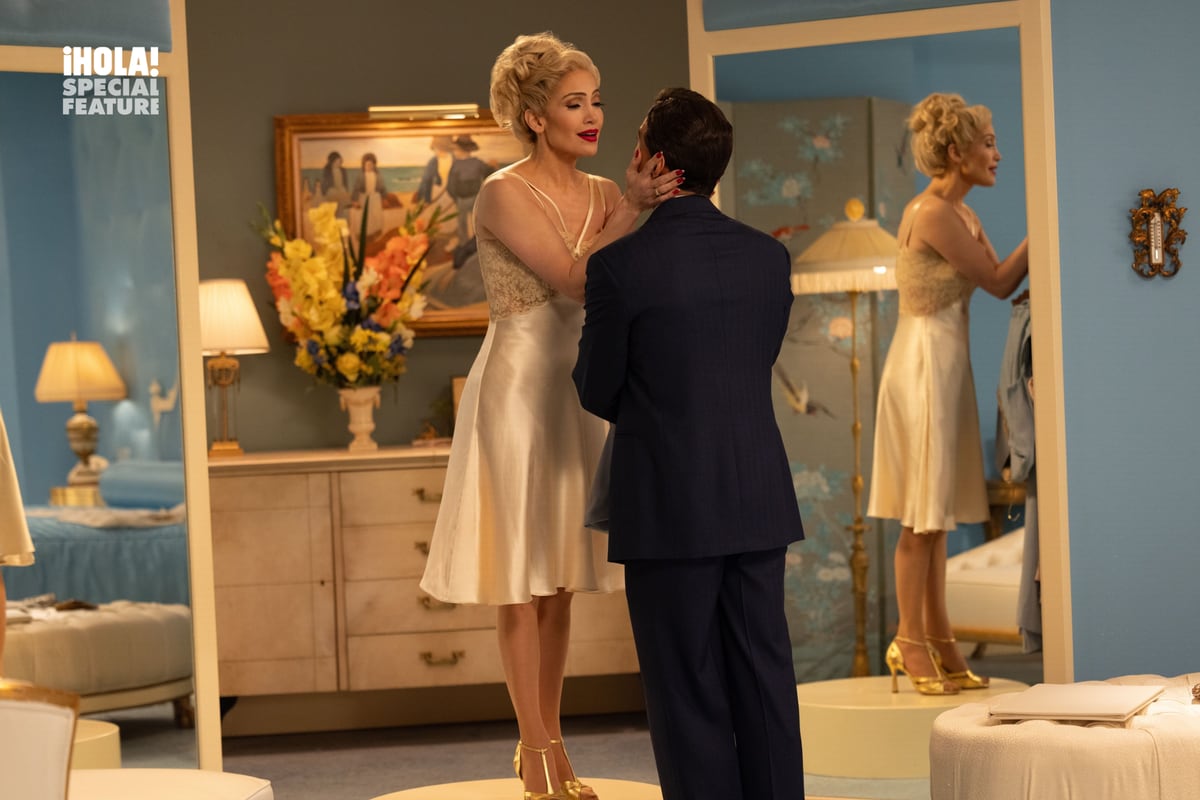
"I got swept away into it. Those dance numbers, the Gene Kelly, Fred Astaire, Ginger Rogers, Rita Hayworth era no longer exists. I remember the feeling of walking up those steps, but to witness it, I was like, whoa, that made me get emotional."
“I think they really got it because they could see the production, they could see how many people it took to take one shot. They got to meet Jennifer Lopez, they got to see me dance alongside her, and 50 Broadway dancers. So I think it really was one of those ones like, whoa.”
 © Roadside Attractions
For Tonatiuh, these moments represented a convergence of personal and professional achievement. “I had this like dream of being an actor, and I had worked really hard in an industry where I didn’t know anybody. And I think it was one of those moments where it hit us both, where it was like, wow, I think you’re now leading your own film.”
Legacy and cultural context were equally central to Tonatiuh’s journey. Chita Rivera, who originated the role of Aurora in the Broadway musical Kiss of the Spider Woman and won the 1993 Tony Award for Best Actress in a Musical for her performance, and Raúl Juliá, who played Valentín Arregui in the 1985 film adaptation, were iconic figures in Latin theater and film who left an indelible mark on Hollywood.
Rivera’s portrayal of the titular Spider Woman, a fantasy figure who provided escape and solace, remained highly acclaimed. “They walked so that we could run,” Tonatiuh said. “Being in an IP that they touched in different ways… it felt like I was getting the baton from them.”
 © Roadside Attractions
Tonatiuh went on to reflect on the trailblazers who paved the way for Latin actors in Hollywood, including the legendary Rita Moreno. “I remembered when I first met Rita Moreno,” he said during the interview, “and I just came up to her and said, ‘Thank you so much for opening the door for all of us.’”
Through Molina, he continued a lineage that celebrated Latin artistry while giving visibility to queer narratives. “With everything that had been happening globally, but in the United States, it felt like I could contribute in my own special way to the cause, to the community, to bring dignity back to the LGBTQ gender, queer, and even the Latino community, because all three of those communities were going through it right then.”
[Jennifer Lopez] stopped and said, ‘I think this is going to be your Selena moment.’ And I just… I was overwhelmed."
The film’s visual and musical spectacle added another layer to Tonatiuh’s experience. From the sweeping Technicolor dance numbers to the intimacy of Molina’s personal journey, every moment on screen was crafted to evoke a sense of classic Hollywood glamour.
“I got swept away into it,” he said. “I thought it was just so beautiful, the classic Hollywood time, those dance numbers, the Gene Kelly, Fred Astaire, Ginger Rogers, Rita Hayworth era no longer existed. I remembered the feeling of walking up those steps, but to witness the walking up the steps, I was like, whoa, that made me get emotional.”
 © Josh Drake
Despite the grandeur and spectacle, Tonatiuh never lost sight of the human story at the film’s core. Every joke, every glance, every tender moment was rooted in a deep understanding of Molina’s world and the people who inhabited it.
For Tonatiuh, Kiss of the Spider Woman represented not only a breakout career moment but a personal triumph. The film allowed him to honor the past, embrace the present, and carry forward a legacy that was at once deeply personal and universally resonant. Tonatiuh’s journey with Kiss of the Spider Woman is a testament to perseverance, creativity, and cultural pride.
In Molina, he found a character that challenged, inspired, and moved audiences. In Lopez and Luna, he discovered collaborators who elevated every scene. And in Chita Rivera and Raúl Juliá, he honored the luminaries who opened doors for him and so many others.