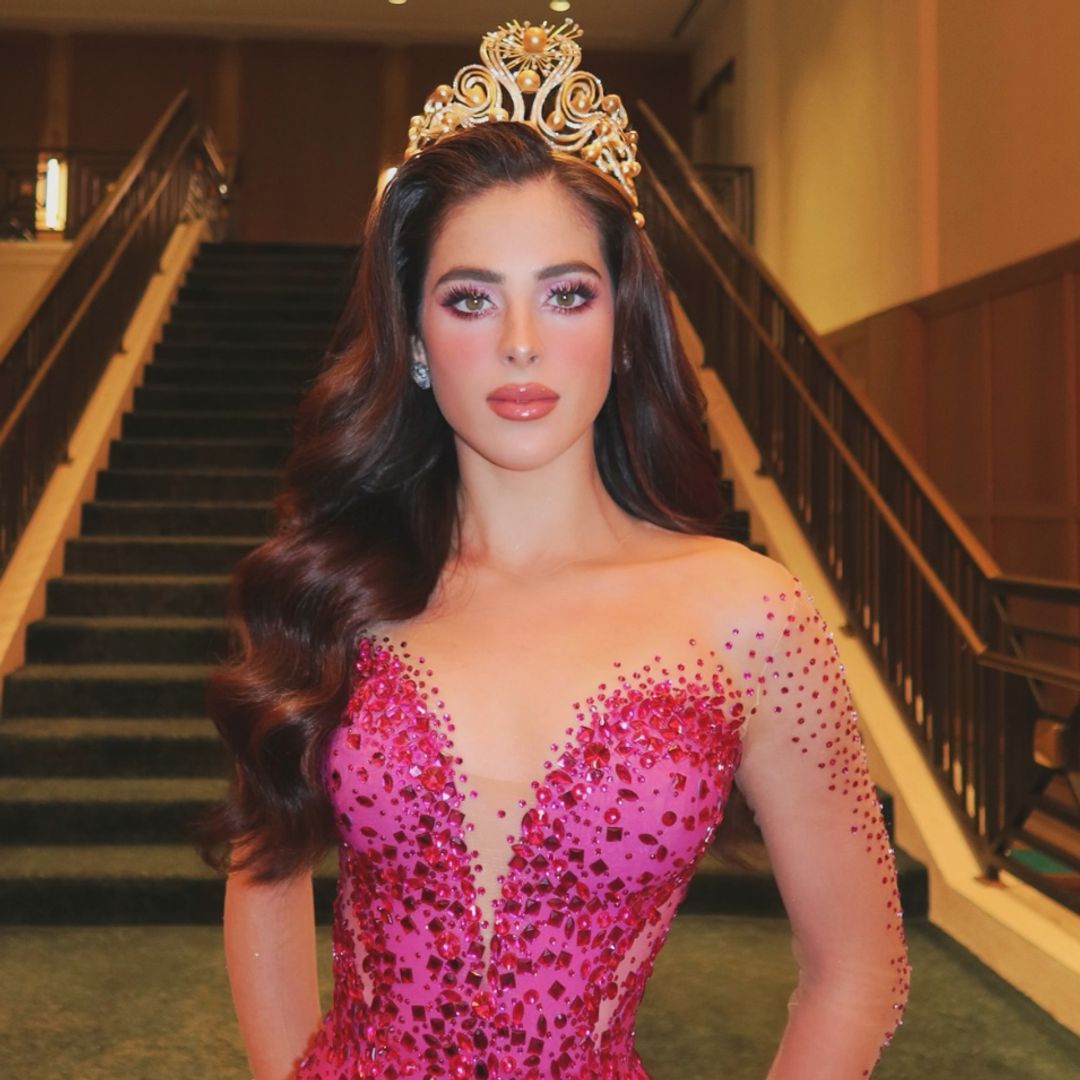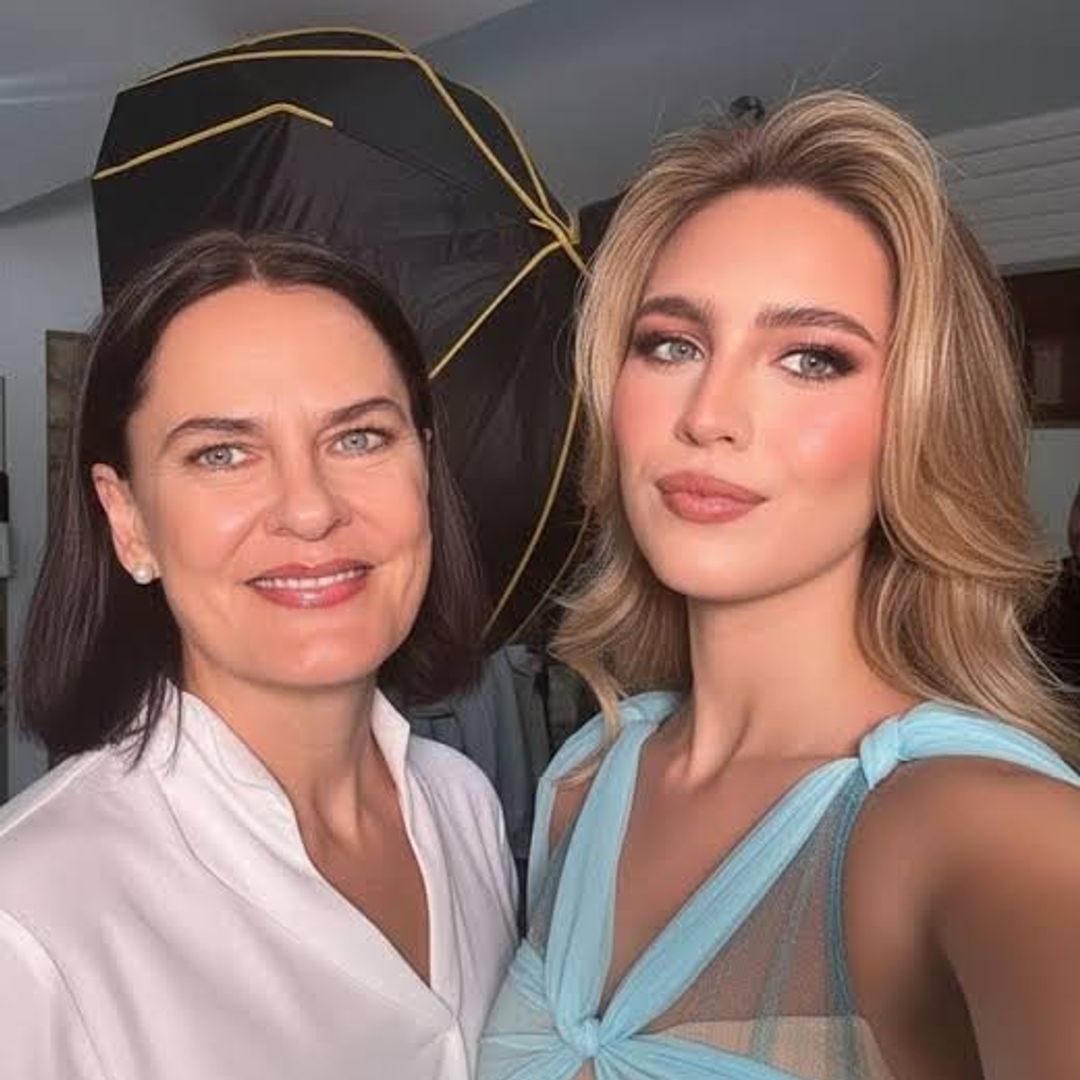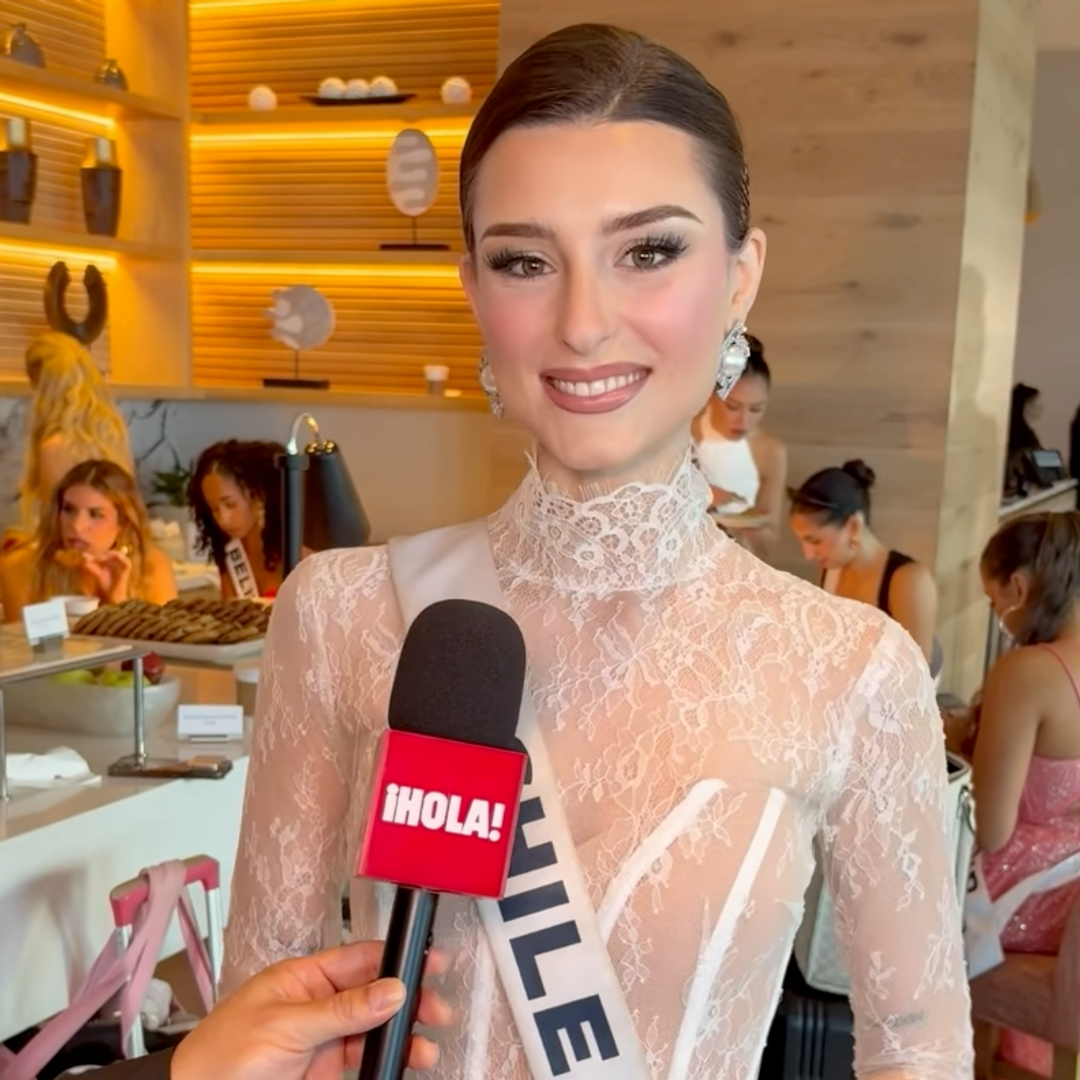
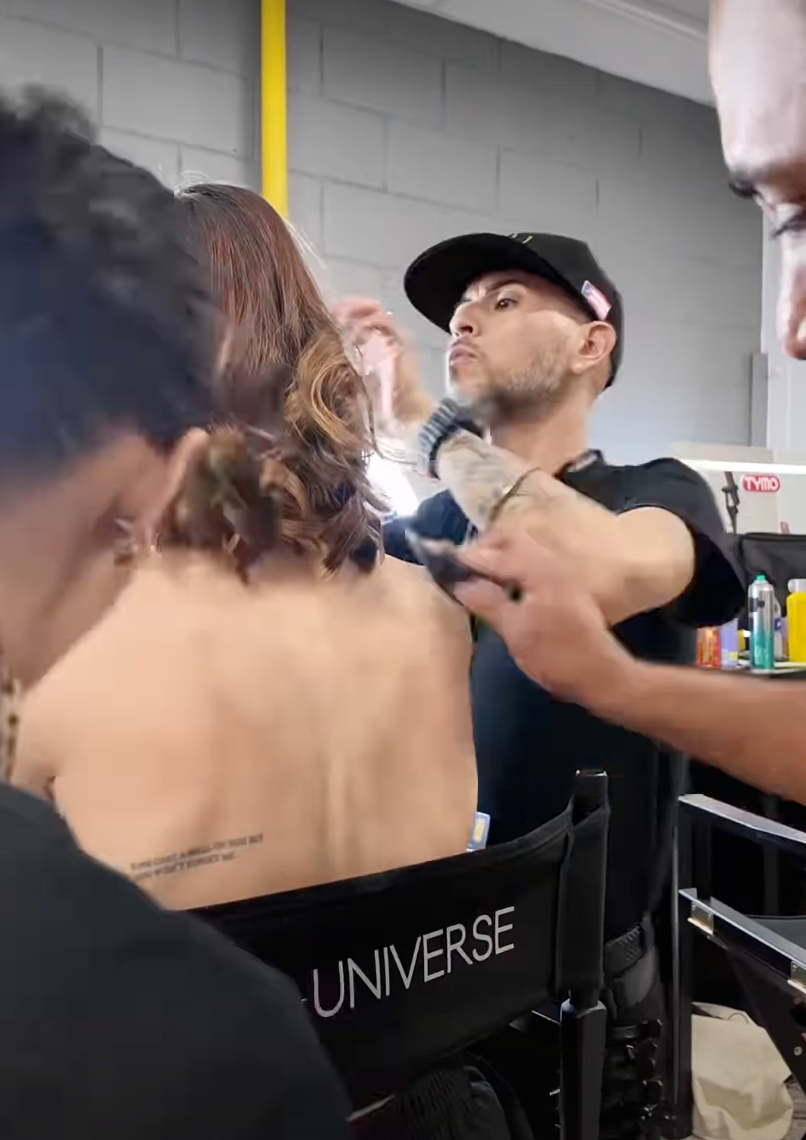
Miss Chile is making headlines for a beauty transformation that has little to do with her hair, makeup, or wardrobe. After covering her tattoos, the beauty queen sparked criticism among social media users, with some questioning why a woman should feel the need to conceal her body art in the world of beauty pageants.
What might seem like a simple aesthetic decision has opened up a much larger conversation about individuality, elegance, and the expectations placed on women competing for an international crown.
 © @yamilemakeup
At a time when beauty pageants increasingly celebrate diversity and authenticity, the controversy raises the uncomfortable question of whether beauty queens are still expected to conform to traditional beauty standards.
Miss Chile sparks reactions after covering her tattoos
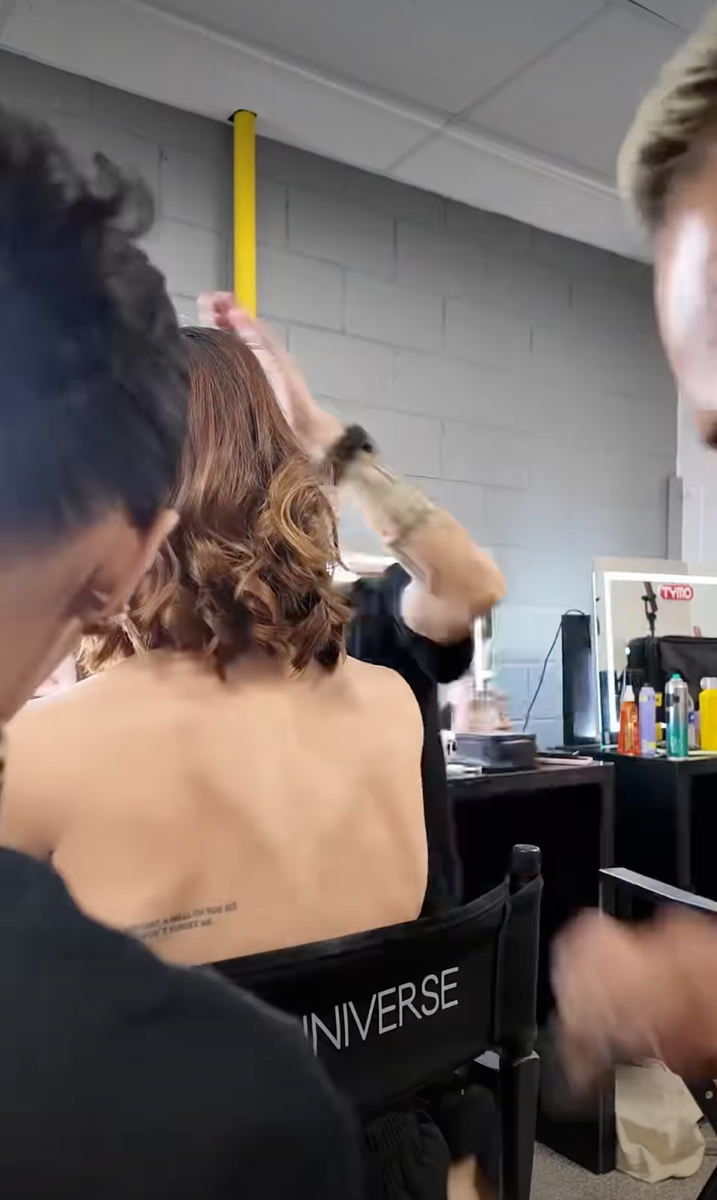
The decision to conceal her body art didn't sit well with some pageant enthusiasts. While certain social media users suggested that tattoos interfere with a beauty queen's sophisticated appearance, others questioned the apparent contradiction between embracing tattoos and choosing to hide them.
“Why get tattoos if you're going to cover them up? For God's sake, don't get tattoos,” one person commented. “Proof that a tattoo takes away from any woman's refinement and class, especially a black one,” another wrote.
 © @yamilemakeup
A third social media user questioned whether the decision aligned with the beauty queen's personal identity. “So she's not someone who's proud of her tattoos. Why would she have to cover them up? SUCH CONTRADICTIONS,” the comment read.
Some critics believe visible tattoos are incompatible with traditional pageant aesthetics, while others see concealing them as compromising one's individuality.
Dominga López previously opened up about her tattoos
Interestingly, Dominga López, Miss Universe Chile 2026, has previously expressed how much she values her body art.
In October, the Chilean model and journalist revealed that she had started undergoing laser treatment to remove two tattoos she got when she was younger. However, she clarified that her decision had nothing to do with abandoning her love of tattoos. “I love my tattoos, and they are an essential part of who I am,” she shared on Instagram, according to Meganoticias.
 © Miss Universe Chile
López explained that the two designs had been poorly executed and had not healed properly, something that had bothered her for years.
At the time, the beauty queen had already completed two laser sessions and noticed improvements in her skin's texture and a reduction in the intensity of the ink.
Are tattoos still taboo at Miss Universe?
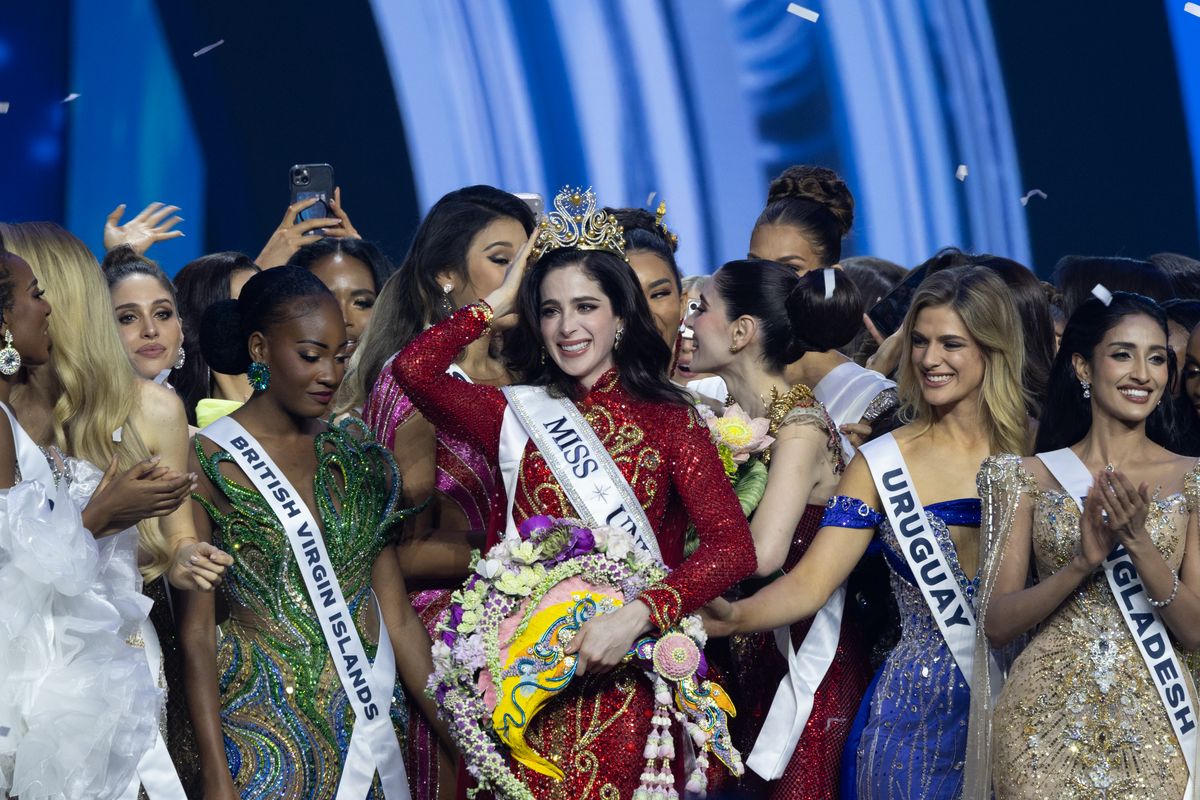
Despite the evolution of international beauty competitions, tattoos remain a surprisingly controversial subject among pageant enthusiasts.
Historically, beauty queens have been associated with polished appearances, glamorous gowns, carefully styled hair, and traditional notions of femininity. Visible tattoos, particularly larger designs or dark ink, can challenge that established aesthetic.
 © Getty Images
However, covering tattoos for a particular appearance doesn't necessarily mean someone regrets getting them. Much like changing hairstyles, wearing extensions or experimenting with makeup, temporarily concealing body art can be a styling decision.
The controversy also highlights how a woman with tattoos can be criticized for displaying them, yet those same women can face accusations of being inauthentic when they choose to cover them.
Miss Chile prepares for the Miss Universe 2026 final
Beyond the tattoo controversy, López has been representing Chile at the 75th edition of Miss Universe in Puerto Rico.
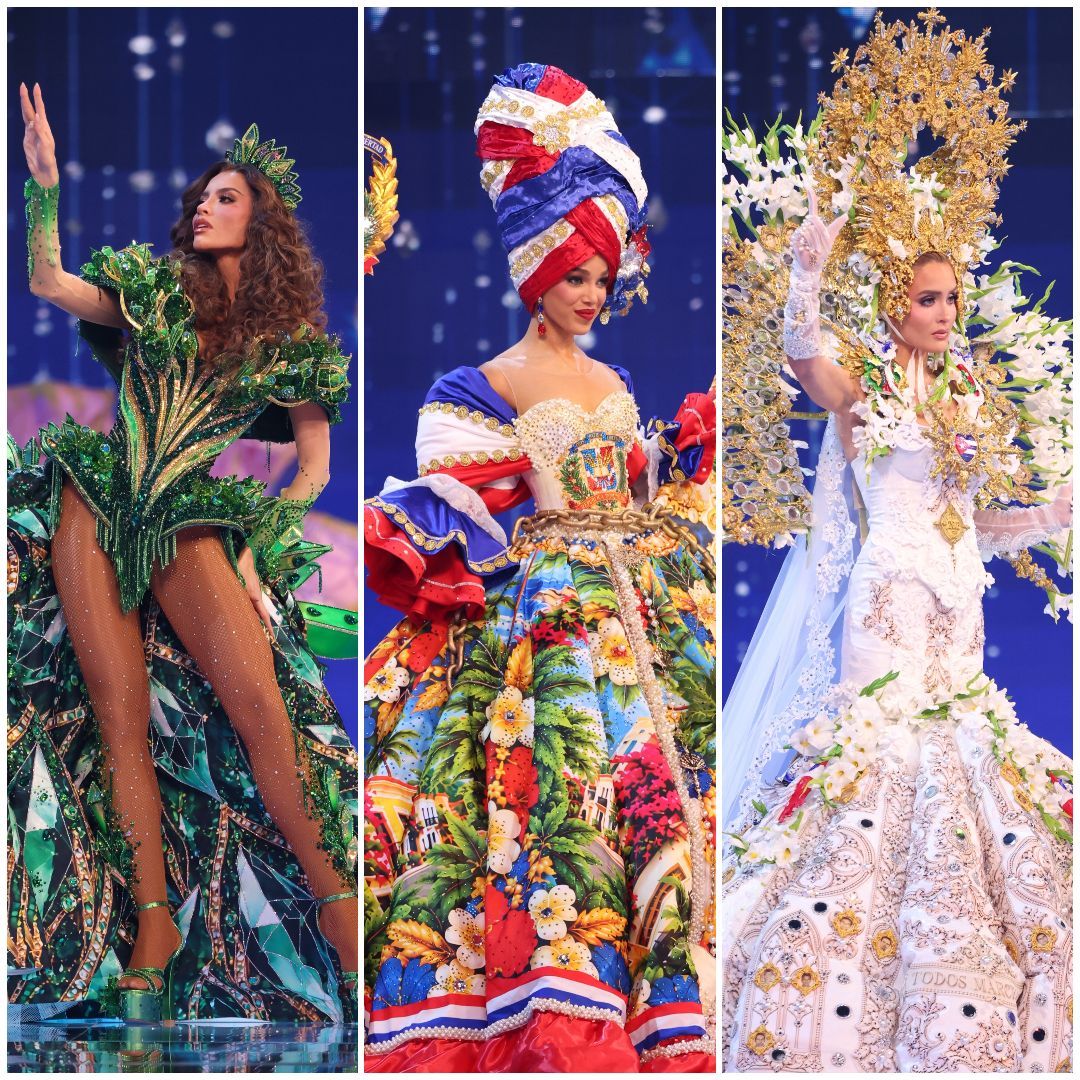
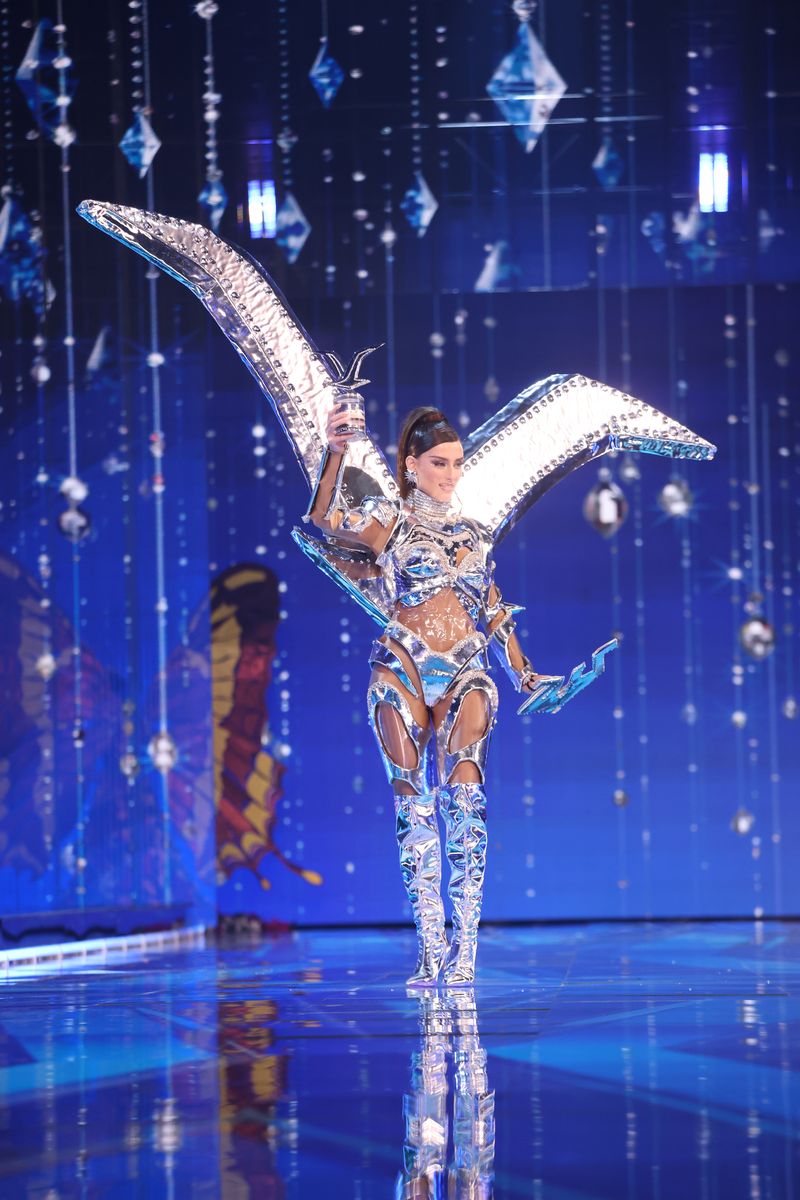
The journalist and model, originally from Viña del Mar, has also attracted attention for her national costume inspired by the prestigious Gaviota de Platino award from the Viña del Mar International Song Festival. Her costume secured a place in the competition's Top 15 national costumes through public voting.
 © Miss Universe
The Miss Universe 2026 grand finale is scheduled for November 24 in San Juan, Puerto Rico, where reigning queen Fátima Bosch will crown her successor.