
Rafael Nadal built one of the greatest careers in sports history through discipline, repetition, and an almost obsessive respect for his body. That mindset did not disappear when he retired. After winning 92 professional titles and 22 Grand Slams, Nadal has shifted his focus toward long-term health, energy, and balance. One habit that remains completely non-negotiable for him is consuming extra virgin olive oil.
Nadal has openly shared that olive oil is a daily constant in his life. Breakfast often means toasted bread with olive oil. Lunches and dinners typically include salad or fish finished with a drizzle of extra virgin olive oil. As a father of two, he has also said that olives are something he always looks forward to eating. For Nadal, olive oil is not a garnish. It is a foundation.
 © @rafaelnadal
In interviews, he has described extra virgin olive oil as inseparable from his way of eating and living. His belief is simple. Balanced nutrition combined with regular movement helps you feel better and live better. Olive oil sits at the center of that equation.
Retirement Did Not Change Nadal’s Discipline, It Refocused It
Stepping away from professional tennis did not mean stepping away from structure. Nadal’s post-retirement life is about protecting what years of elite competition demanded. Joint health, heart health, cognitive clarity, and inflammation control are now priorities. His food choices reflect that shift.
Olive oil fits naturally into a longevity-focused lifestyle. It is deeply rooted in Mediterranean culture, scientifically studied, and easy to consume consistently. To understand why it remains so powerful, HOLA! spoke with experts in lipid science, nutrition, and olive oil production.
The Science Behind Olive Oil’s Advantage
Nicolas Netien, founding member of Oleaphen, explains that olive oil stands apart from other fats at a molecular level. “Most people recognize it as a healthy choice, but the reason it stands apart from butter or seed oils from a lipid science perspective is quite specific,” Netien said.
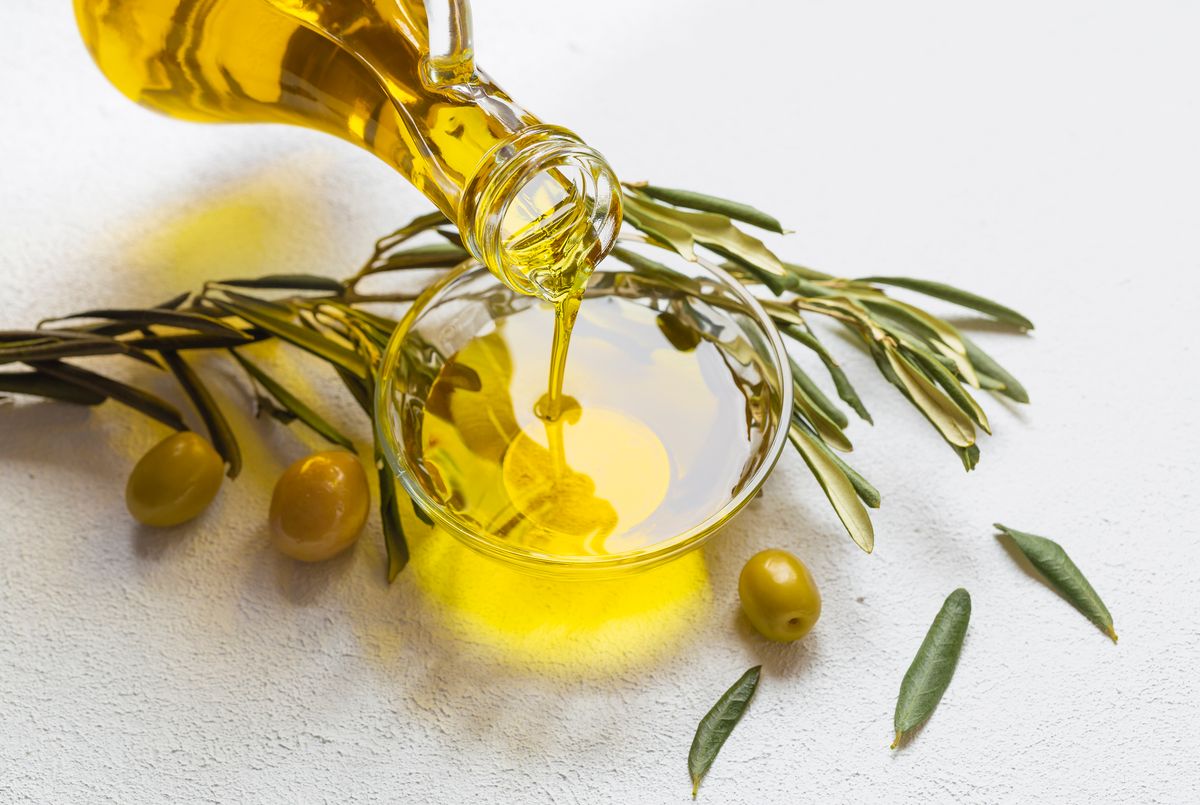
According to Netien, olive oil is primarily made up of oleic acid, a monounsaturated fat that is highly resistant to oxidation. This stability matters because dietary fats become part of cell membranes.
 © HakanEliacik / 500px
“When you consume it, these fats are incorporated into your cell membranes, making them more resilient. It is essentially providing the structural integrity your cells need to function properly as you age,” he explained.
Extra virgin olive oil is also unique because it is a raw fruit juice. Unlike most edible oils, it is not refined with chemicals or high heat. That allows it to retain polyphenols such as oleocanthal and oleacein, compounds that actively support cellular repair and healthy aging.
Heart, Brain, Gut, and Skin Benefits
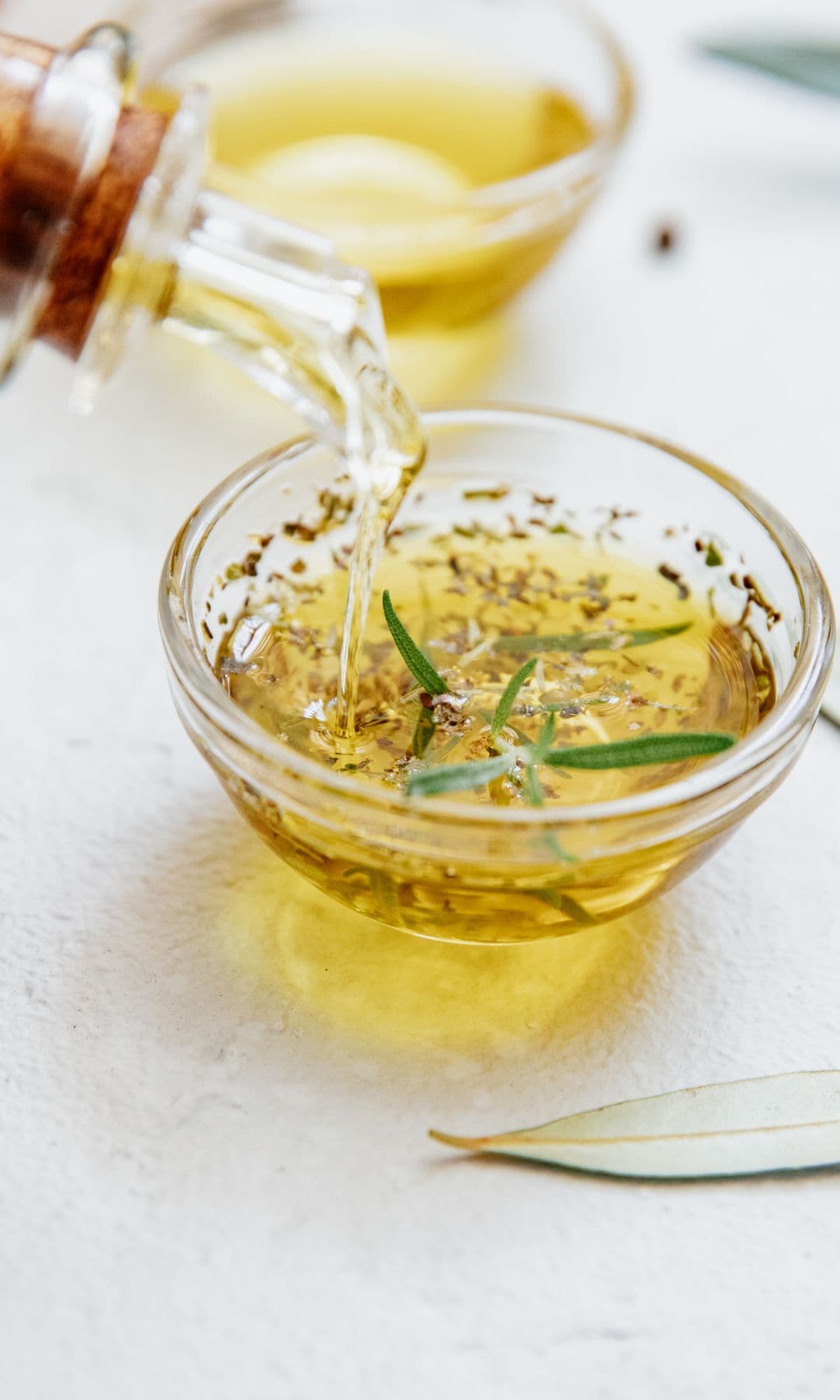
Netien points to an official European Union health claim stating that olive oil polyphenols protect blood lipids from oxidative stress. This matters because oxidized lipids contribute to arterial plaque and cardiovascular disease.
 © victoriabee
Beyond heart health, olive oil supports the brain. Polyphenols like oleocanthal have shown neuroprotective potential by helping clear amyloid beta proteins linked to cognitive decline. The gut benefits as well. These polyphenols act as prebiotics, feeding beneficial bacteria while suppressing harmful microbes. Since gut health influences immunity and inflammation, the impact reaches the entire body.
Skin health is another benefit. High polyphenol olive oil helps reduce chronic low-grade inflammation associated with aging, supporting elasticity and protection from oxidative damage over time.
Longevity and Blue Zone Evidence
Adiana Castro, MS, RDN, a metabolic dietitian in New York City and owner of Compass Nutrition, highlights olive oil’s connection to long life. “Large research studies show that eating olive oil daily, about two tablespoons per day, supports lifespan, cardiovascular health, cancer prevention, and protection against neurodegenerative diseases,” Castro said.
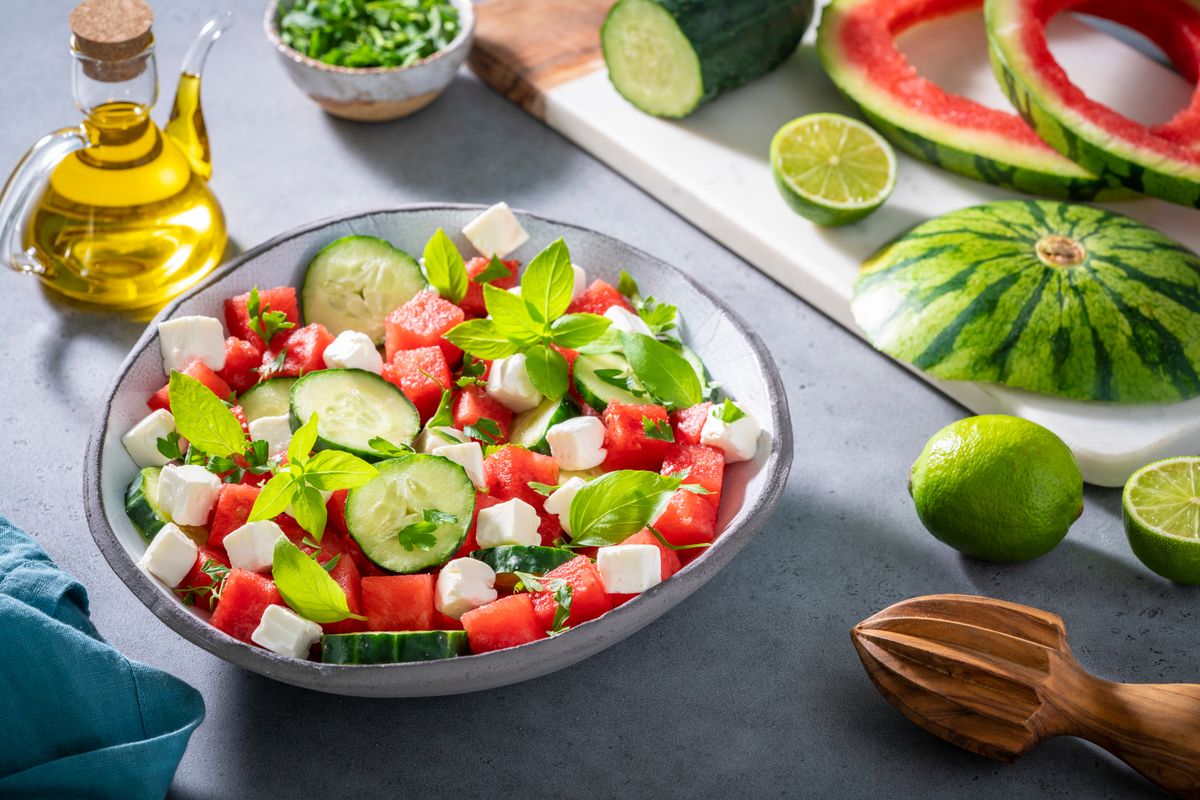
She points to Blue Zone populations, where olive oil is the primary fat consumed raw or lightly heated. These regions consistently show lower inflammation, healthier arteries, and better cognitive aging.
 © Getty
Compared to butter, ghee, canola oil, or coconut oil, olive oil provides more antioxidants, supports mitochondrial health, improves cholesterol profiles, and promotes beneficial gut bacteria. Castro notes that saturated fats may negatively affect heart health, while many oils lack olive oil’s antioxidant density.
Why Quality Olive Oil Matters
Jeremy Sernick, founder and CEO of Oliva Dorado, emphasizes that results depend on quality. “True extra virgin olive oil is completely natural and unrefined,” Sernick said. “It must be mechanically extracted below 80°F, have low free fatty acid levels, be free from defects, and show fruity, bitter, and peppery notes.”
Cold extraction preserves nutrients and flavor while avoiding the harsh processing used for many cooking oils. Sernick explains that incorporating high-quality olive oil into daily life is easy, whether used as a finishing oil, in salad dressings, for cooking, or as a replacement for butter and margarine.
 © Getty Images
Nadal’s loyalty to olive oil is not a wellness trend. It mirrors the same mindset that defined his tennis career. Focus on consistency. Reduce inflammation. Protect the body long term. Repeat every day.
For Nadal, olive oil is not optional. It is essential. His success was built on small choices executed with discipline over decades. His nutrition philosophy follows the same logic.