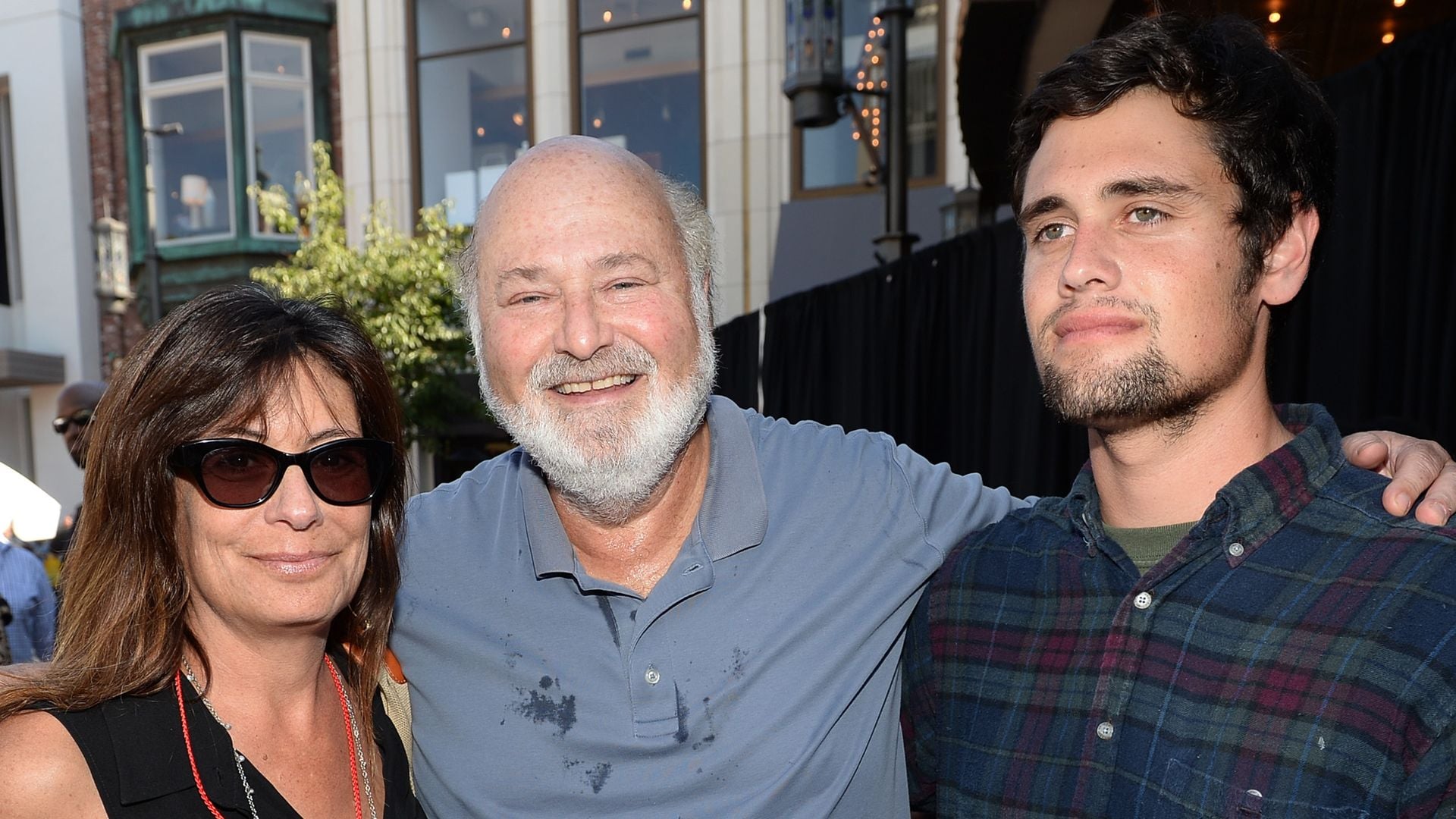
New details are emerging regarding the case of Nick Reiner. In December, Reiner was arrested and charged with the murder of his parents, Rob and Michele Reiner, two beloved figures in Hollywood. New reports claim that Reiner was under a mental health conservatorship in 2020, highlighting his struggles with mental health.
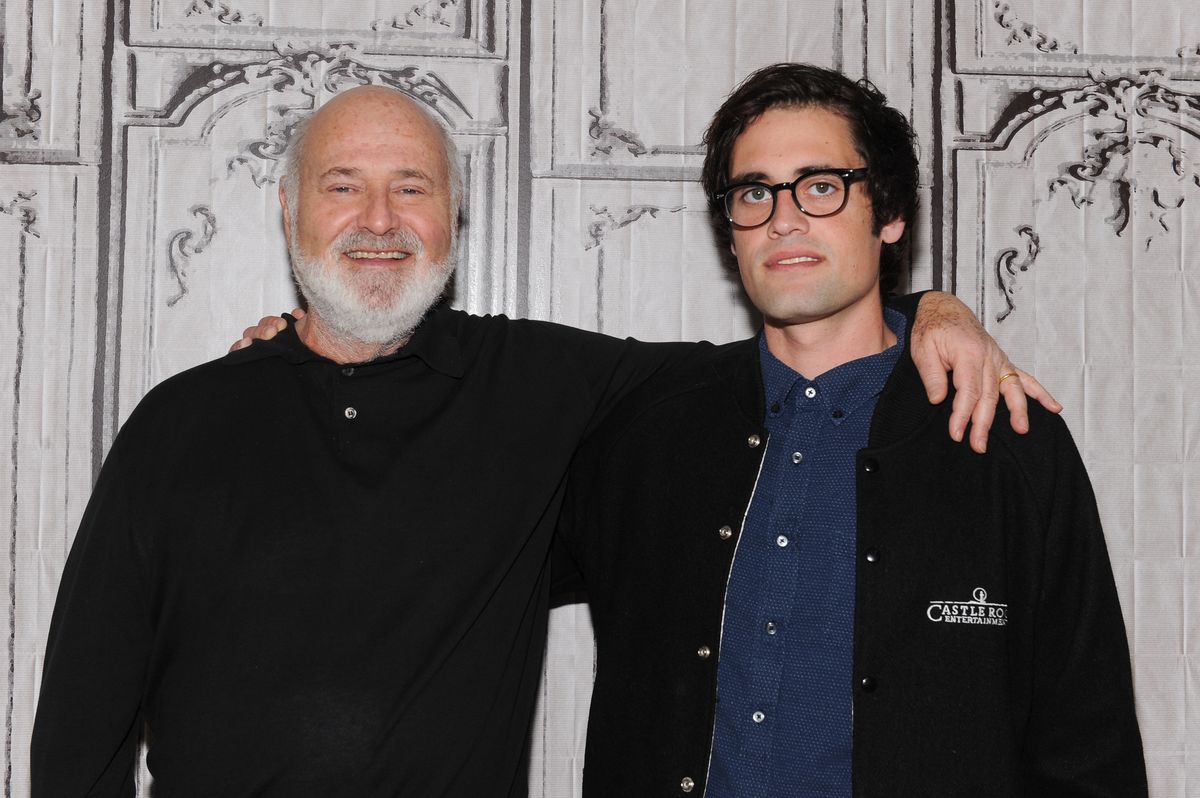 © Rommel Demano
The news was shared by The New York Times, which spoke to two people with knowledge of the legal arrangement. According to the Los Angeles Superior Court, the conservatorship only lasted for a year, ending in 2021.
While no further details have been released, conservatorships are granted to help people with severe mental illnesses, with the court deeming them unable to care for themselves. These legal arrangements allow a guardian to be able to make decisions for the adult in question.
The news of the conservatorship will likely be explored in Reiner's upcoming trial, which will likely explore his mental health and history of drug abuse. “You have to be pretty severe to be placed on a mental health conservatorship in California,” said expert lawyer Lee Blumen to the Times.
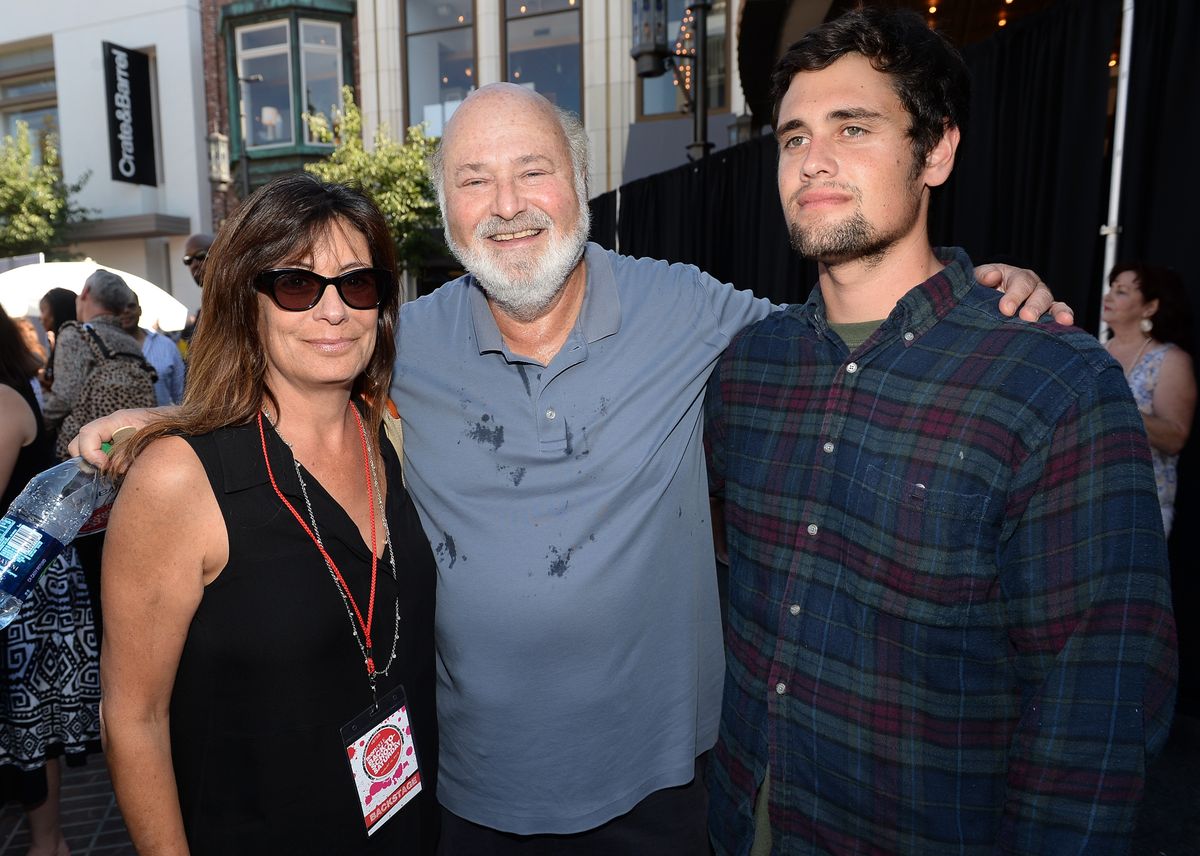 © Michael Buckner
“Of all the people who come into this system, a very small group of people actually get placed on conservatorship.”
The publication spoke to other sources who claimed Reiner was struggling with his mental health in the weeks before his parents' deaths. He'd also been struggling with the side effects prompted by a change of medication. They claim that Reiner had been diagnosed with schizophrenia and schizoaffective disorder at different points in his life.
Reiner's history with addiction and mental health
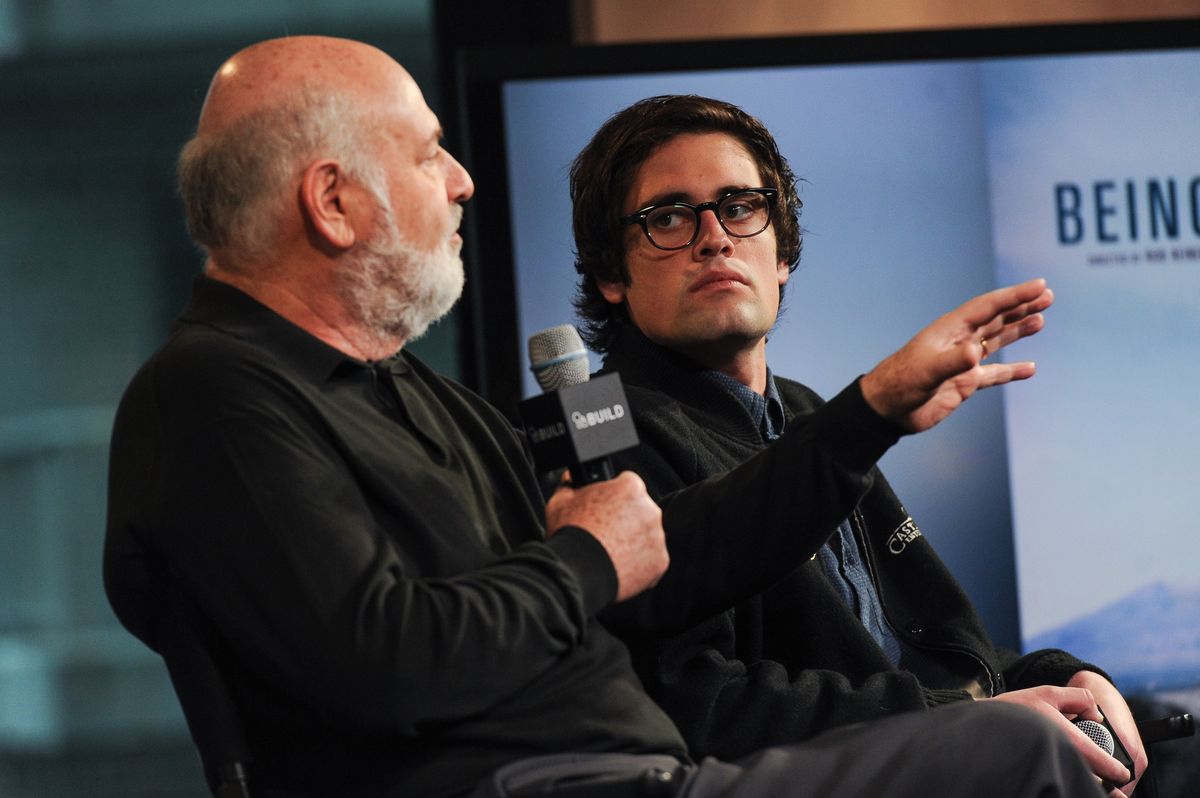 © Rommel Demano
Reiner had struggled with drug addiction throughout his life. He and his father made a film about the topic, titled "Being Charlie," following the strained relationship between a father and his drug addicted son. Reiner wrote the script, and his father directed it.
The film came out in 2016, when Reiner was 22 years old. He and his father discussed the project with the media, revealing that it was a personal one for them. While Reiner never discussed his mental health directly, he said that his issues were “more than drugs — it’s really always about more than that.”
As Reiner and his father worked on the film, it appears that the project served as a sort of therapy for their relationship. “Towards the end of shooting, we were doing a scene, and I said, ‘Why doesn’t Charlie go up and hug his dad,’” Reiner said in an interview with Variety. “That meant a lot to my dad, because it was sort of like I was accepting him back in.”
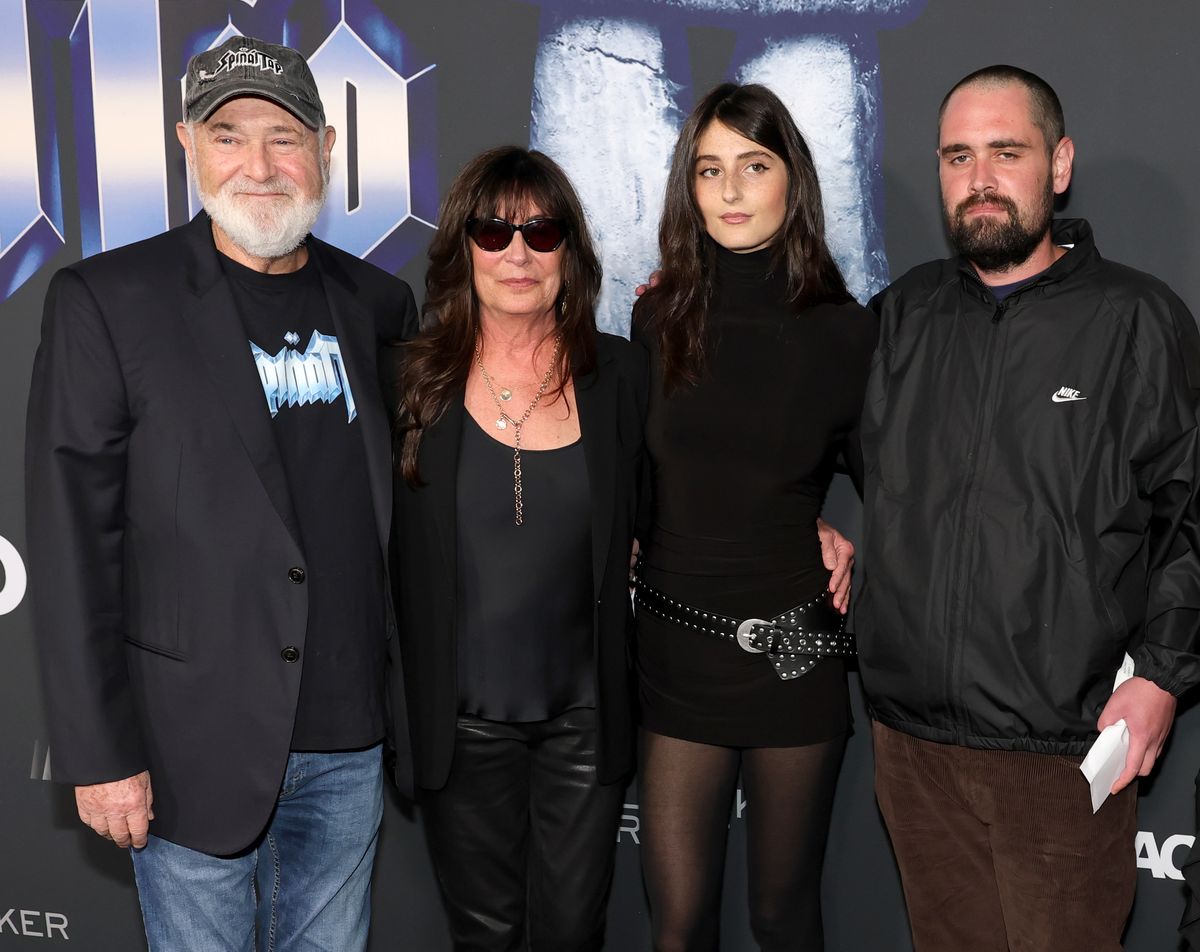 © Kevin Winter/GA