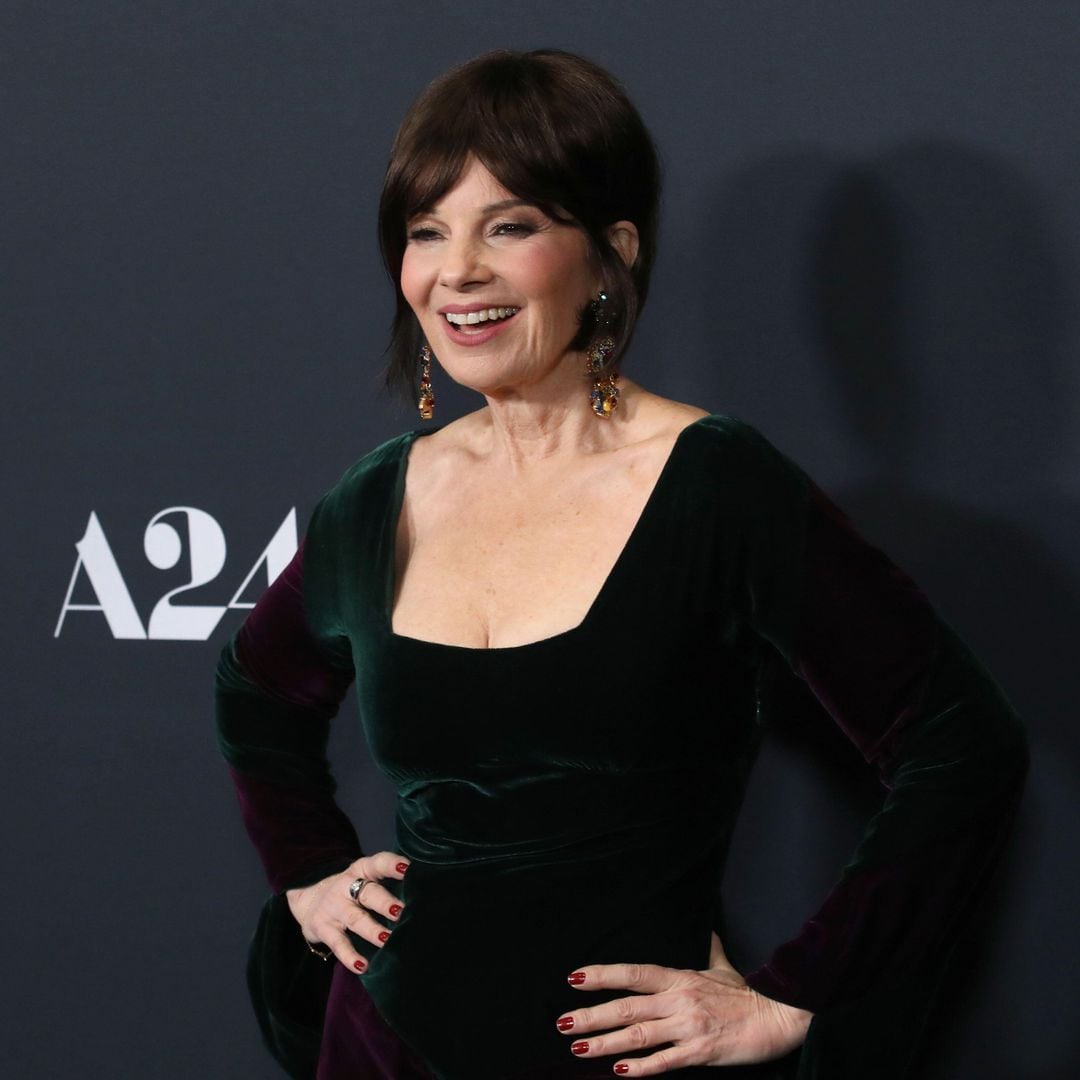
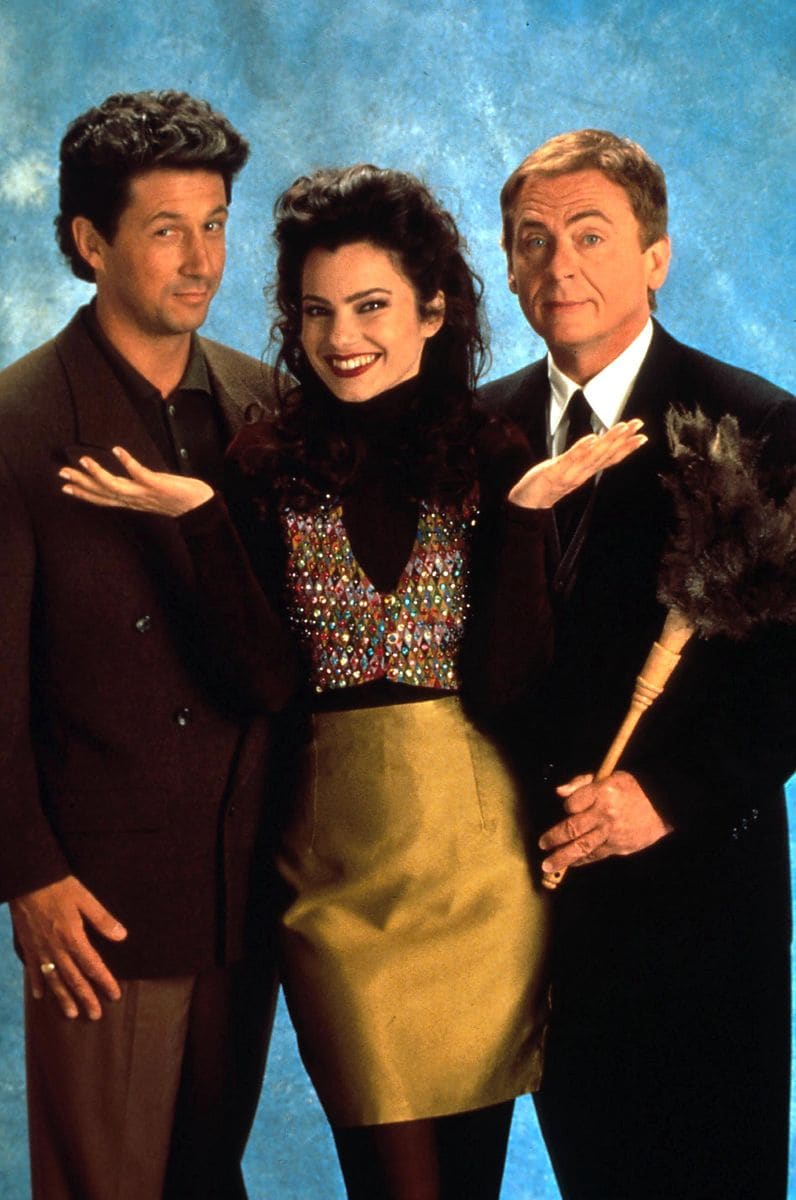
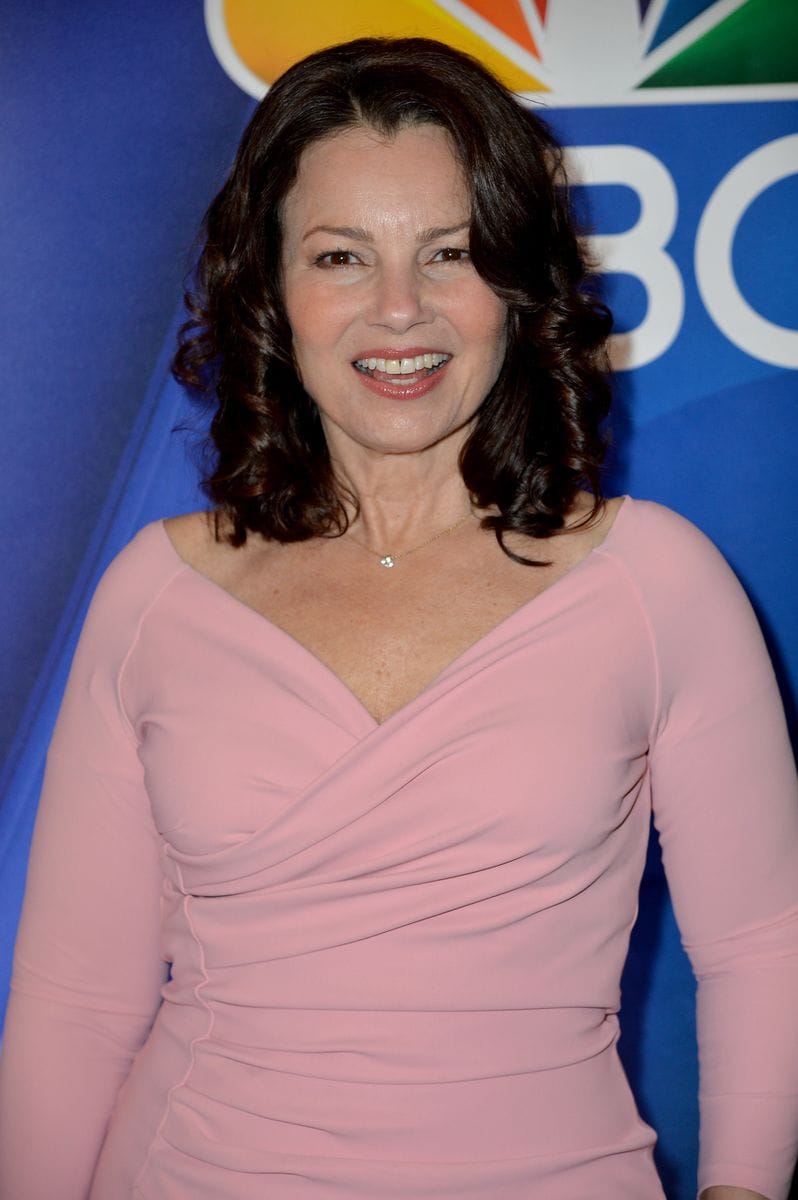
Fran Drescher has revealed that trauma from a violent home invasion in her 20s contributed to her uterine cancer diagnosis, urging women not to ignore their health. The 68-year-old actress, best known for The Nanny, was diagnosed at 42 and has now spoken candidly about the link she believes exists between the disease and the attack she survived decades earlier.
In an interview with People, Drescher explained, “I ended up being diagnosed with uterine cancer. But uterine cancer typically hits women who are post-menopausal or obese. I was ultimately diagnosed at 42, so if it started around, maybe around 40, maybe earlier, I was not post-menopausal, and I was not obese. So I slipped between the cracks.”
 © AFF
© AFFShe added that early detection played a crucial role in her survival, saying, “Mine was in stage one, which means it was resting on the uterine lining, but it hadn’t penetrated it, it hadn’t started to dig in, so I was very lucky.”
At the time of her diagnosis, Drescher was dating a man 16 years her junior and had begun thinking seriously about motherhood; however, cancer treatment meant she was unable to freeze her eggs. Reflecting on that moment, she said, “I was, at that point, with a man 16 years my junior. For the first time in my life, I wanted to have his kid. My destiny was that that wasn’t ever gonna happen.”
 © Zuma Press/The Grosby Group
Drescher believes the cancer stemmed from unresolved trauma she experienced in 1985. While married to then-husband and TV writer Peter Jacobson, she was attacked during a home invasion, while Jacobson was assaulted, restrained, and forced to witness the attack.
Reflecting on the connection in a previous interview with CNN, Drescher said, “It was strange, and kind of poetic, that my reproductive organs, of all things, had cancer. But it was also an amazing affirmation that pain finds its way to exactly the right place in the body if you don’t deal with it.”
 © NYKC/Sipa USA
Drawing from her own experience, Drescher issued a warning to women about ignoring their own health needs, saying, “Don’t ignore something and hope it goes away or drive yourself into an early grave because you feel like you have too much stuff to do for everyone else. That is a pitfall women often experience. I’m here to say, ‘Stop that!’”