
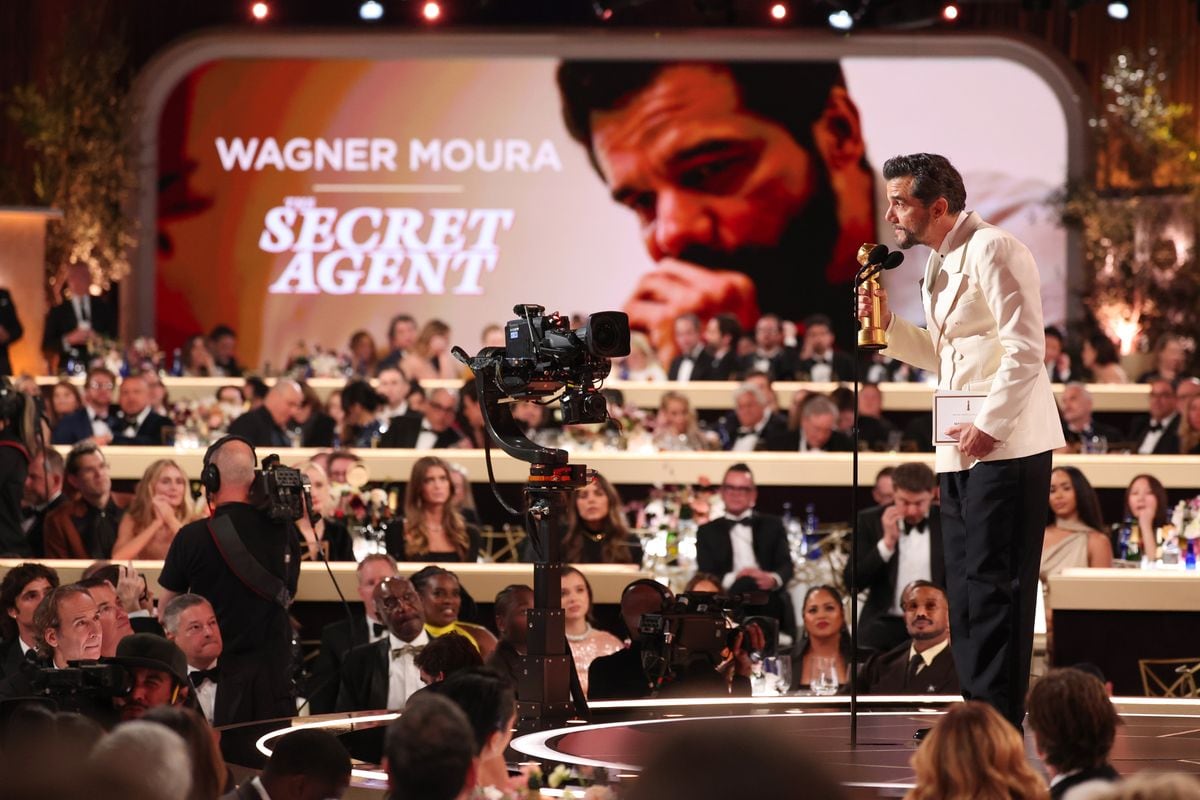
At the 83rd Golden Globe Awards, Wagner Moura stepped into history by becoming the first Brazilian actor to win Best Actor in a Motion Picture Drama for his performance in “The Secret Agent.” The night grew even bigger for Brazil when the same film, directed by Kleber Mendonça Filho, also won Best International Motion Picture. Together, those two trophies turned a strong political thriller into a cultural moment that rippled far beyond Hollywood.
"The Secret Agent" is set during Brazil’s military dictatorship of the 1970s, a period marked by censorship, disappearances, and fear. In the film, Moura plays a man forced into hiding while trying to protect his young son, a story that mixes political tension with intimate family stakes. The Golden Globes recognized not only the technical and narrative power of the movie, but also the emotional weight Moura brought to a role rooted in historical trauma.
 © Penske Media via Getty Images
This win matters because representation in global awards spaces is not just about applause; it is about visibility. A Brazilian actor taking home one of the most competitive acting prizes in the world sends a signal that stories from Latin America, especially those dealing with complex political histories, belong at the center of international cinema.
Who Is Wagner Moura, and Why His Career Stands Out
Wagner Moura was born in Salvador, Bahia, in 1976. Before stepping into acting full-time, he originally trained as a journalist, which helps explain his long-standing interest in stories with social and political weight. From the beginning of his career, he gravitated toward characters who live inside moral conflict, people shaped by systems larger than themselves.
In Brazil, Moura became a household name through films like "Elite Squad," where he played Captain Nascimento, a tough and controversial police officer navigating the brutal realities of crime and corruption. That role became a generational symbol and pushed Moura into the international spotlight.
Global audiences later came to know him through the Netflix series "Narcos," where he portrayed Pablo Escobar. The performance earned widespread attention for its intensity and for the way it humanized a deeply complicated figure without glorifying him. By that point, Moura was no longer just a Brazilian star; he was a globally recognized actor with range, credibility, and a clear artistic voice.
 © Penske Media via Getty Images
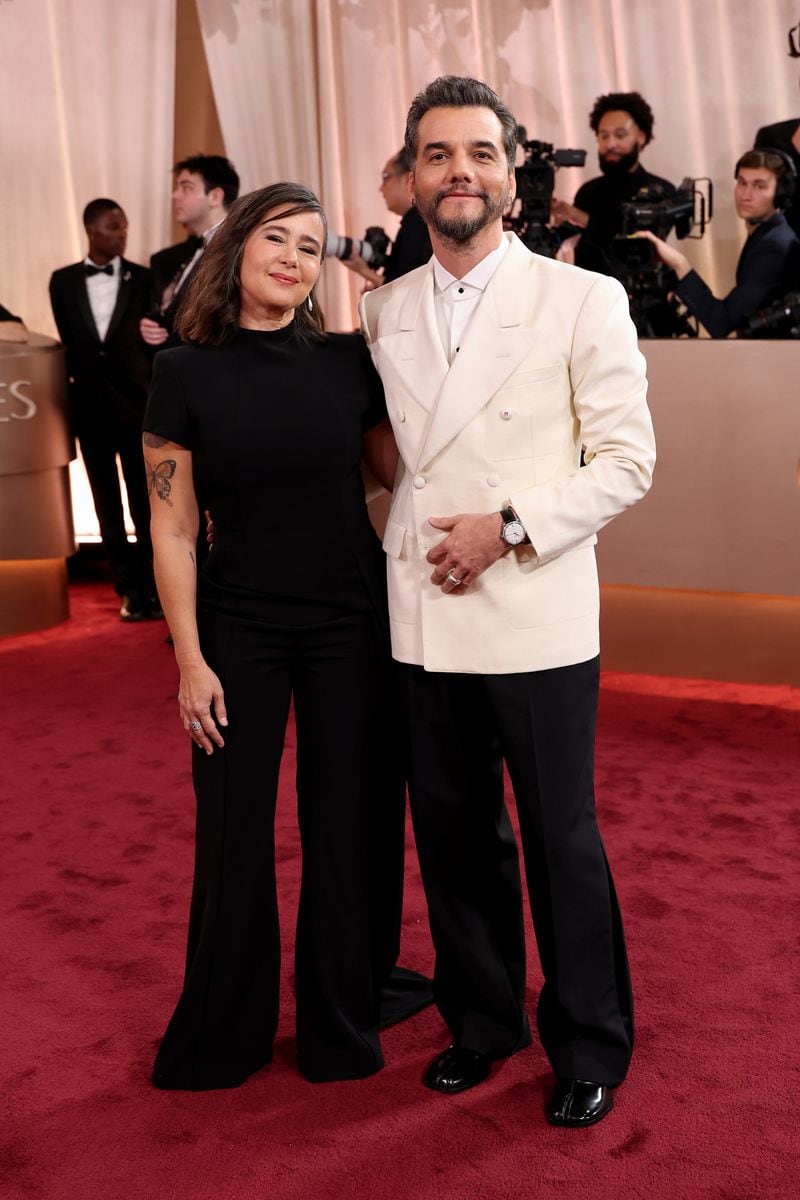
Beyond acting, Moura has also worked as a director and producer, continuing his commitment to projects that explore power, injustice, and human resilience. In his personal life, he is married to photographer Sandra Delgado and is the father of three children, a grounding contrast to the often turbulent worlds he portrays on screen.
The Secret Agent and the Power of Political Cinema
The Secret Agent fits perfectly into Moura’s long-running pattern of choosing socially engaged stories. Directed by Kleber Mendonça Filho, a filmmaker known for blending political commentary with strong visual storytelling, the movie dives into Brazil’s military dictatorship through the lens of one man’s struggle to survive and protect his family.
 © WireImage
Rather than presenting history as distant or abstract, the film uses suspense and intimacy to show how authoritarianism seeps into everyday life. Moura’s character is not a superhero or a revolutionary icon. He is a father trying to keep his child safe while living under constant threat. That grounded approach is what makes the story resonate across cultures, even for viewers who may not know much about Brazilian history.
By winning Best International Motion Picture at the Golden Globes, the film gained a global platform, reinforcing the idea that stories about Latin American history can compete at the highest level of international awards.
A Milestone for Brazilian Representation at the Golden Globes
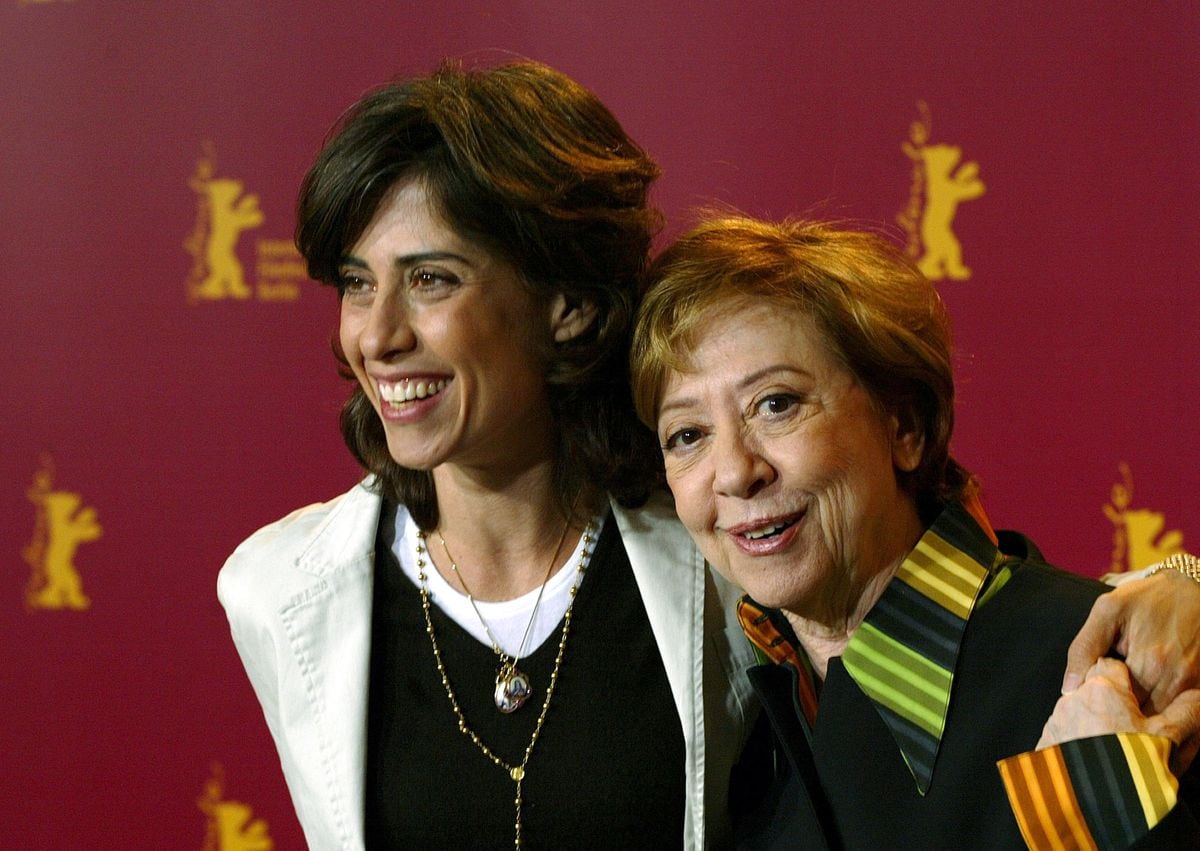
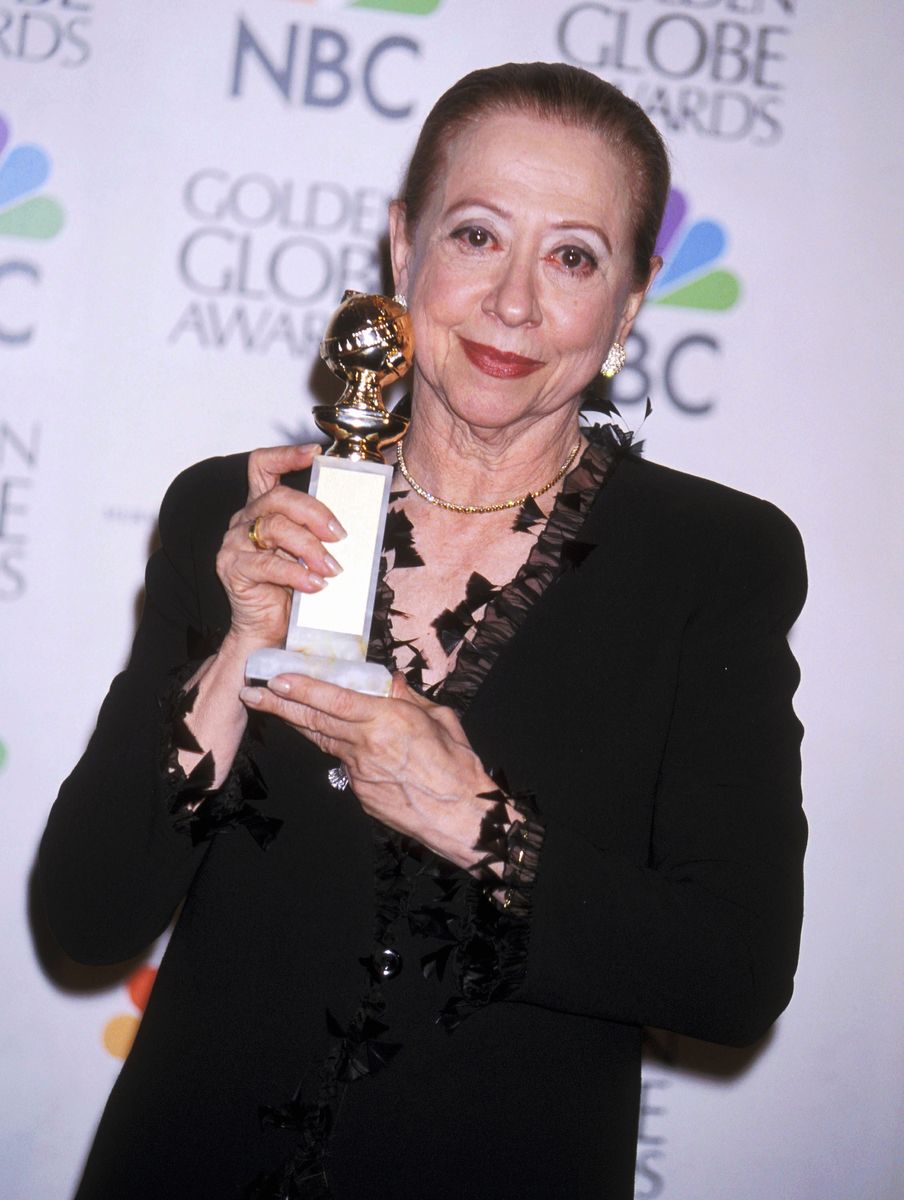
Before Wagner Moura’s historic win, Brazilian presence at the Golden Globes had already been building, led especially by women. In 2025, Fernanda Torres became the first Brazilian actress to win a Golden Globe for her role in “Aún estoy aquí.” Years earlier, her mother Fernanda Montenegro had been nominated in 1999 for “Central Station,” a film that remains one of Brazil’s most celebrated international successes.
 © WireImage
These moments laid the groundwork for Moura’s breakthrough. His Best Actor win did not arrive in isolation. It was part of a growing recognition of Brazilian talent, both in front of and behind the camera.
 © Ron Galella Collection via Getty
A Speech Rooted in Memory and Values
During his acceptance speech, Moura shared the moment with his fellow nominees, including Dwayne Johnson, Jeremy Allen White, Joel Edgerton, Michael B. Jordan, and Oscar Isaac. But the heart of his words focused on what “The Secret Agent” represents.
He described the film as a story about memory, the absence of memory, and generational trauma. He also spoke about values, saying that “if trauma can be passed from one generation to another, so can principles and convictions.” His message reveals that cinema has the power not just to entertain, but to preserve history and inspire moral courage in difficult times.
 © Penske Media via Getty Images
Wagner Moura’s Golden Globe for Best Actor in a Motion Picture Drama is a milestone for Brazilian cinema, for Latin American representation, and for political storytelling in mainstream awards culture.
By honoring a film about Brazil’s dictatorship and an actor known for choosing challenging, socially conscious roles, the Golden Globes signaled a shift toward broader, more inclusive narratives. Moura’s journey from Salvador, Bahia, to the Golden Globes stage is now part of film history, and it opens the door for many more Brazilian voices to be heard on the world’s biggest screens.