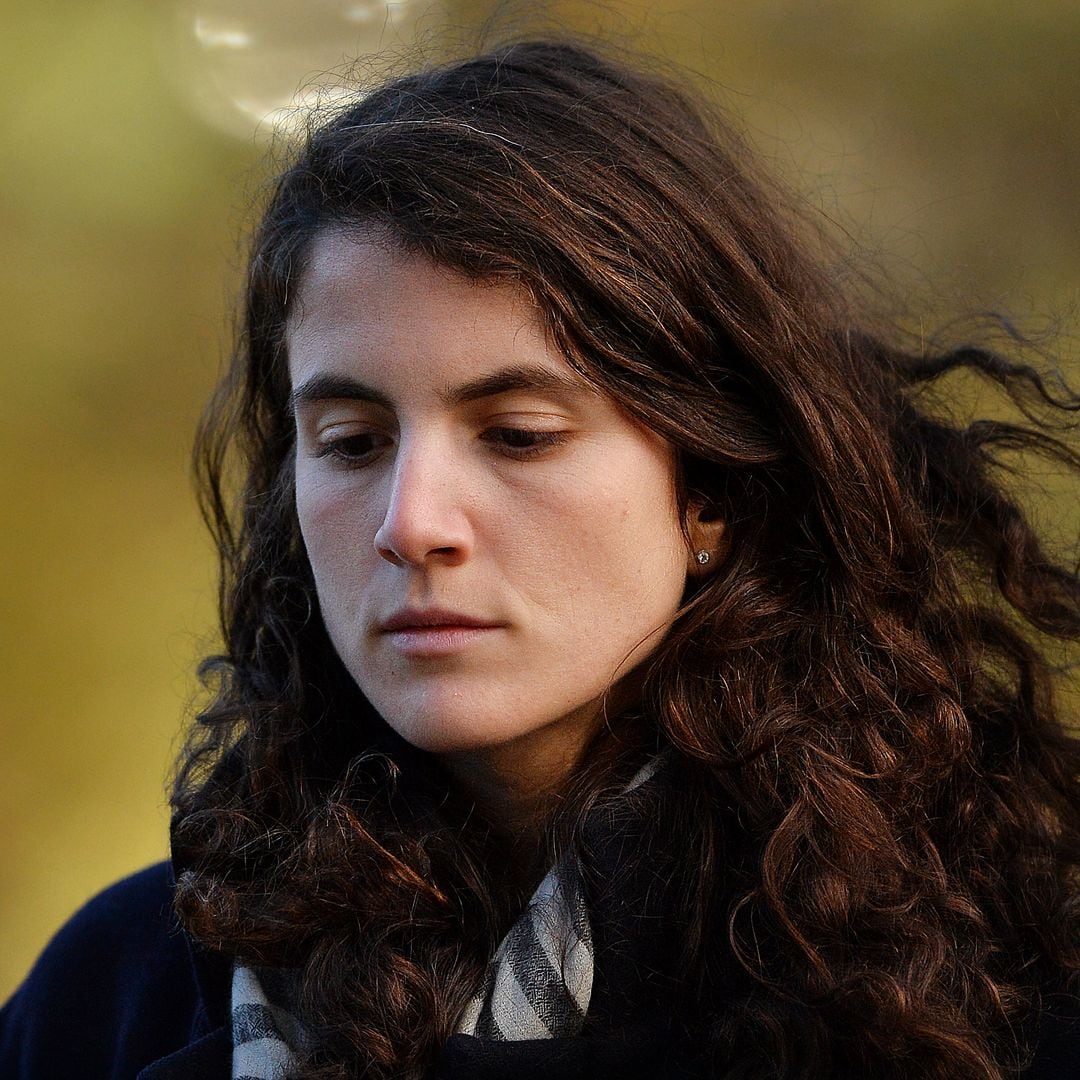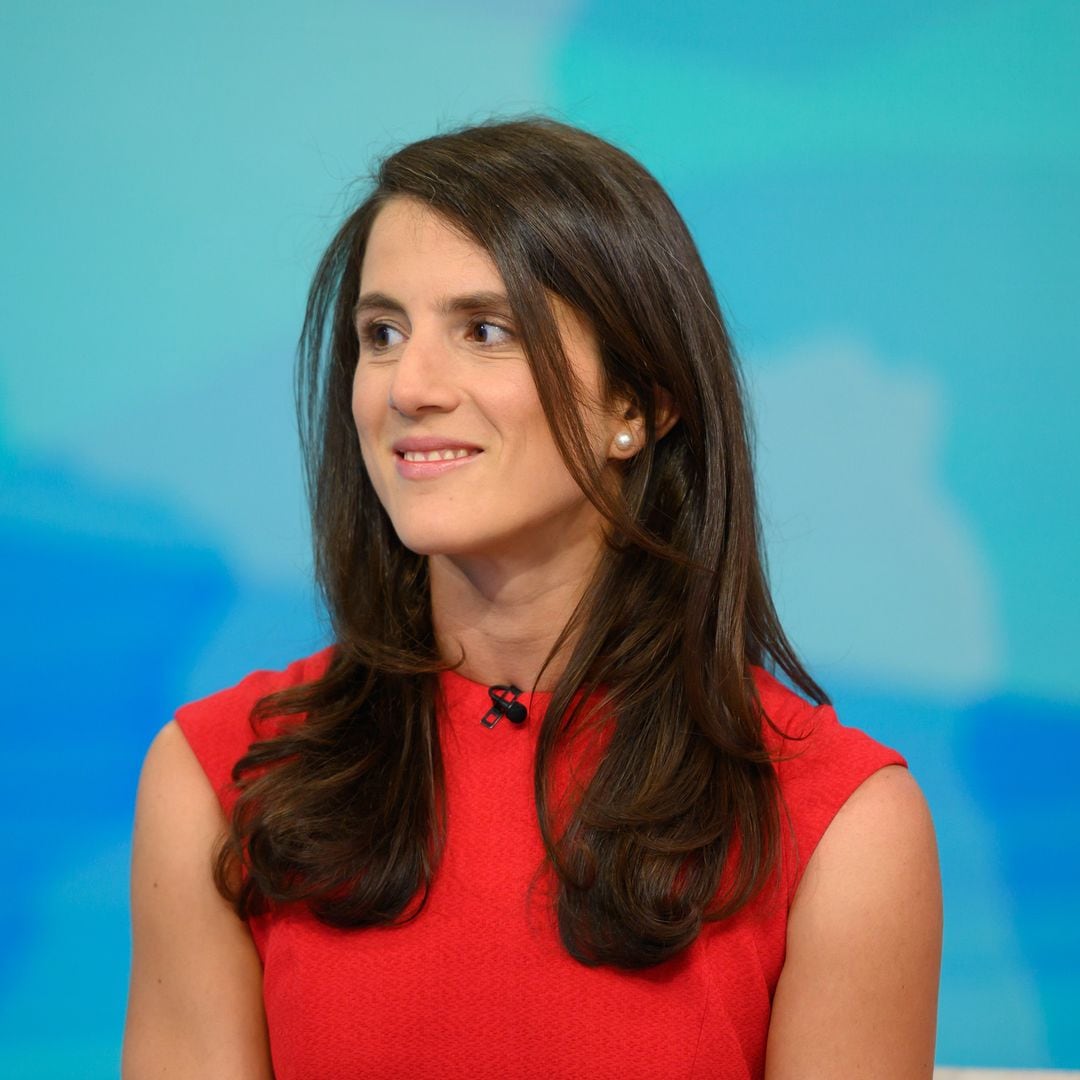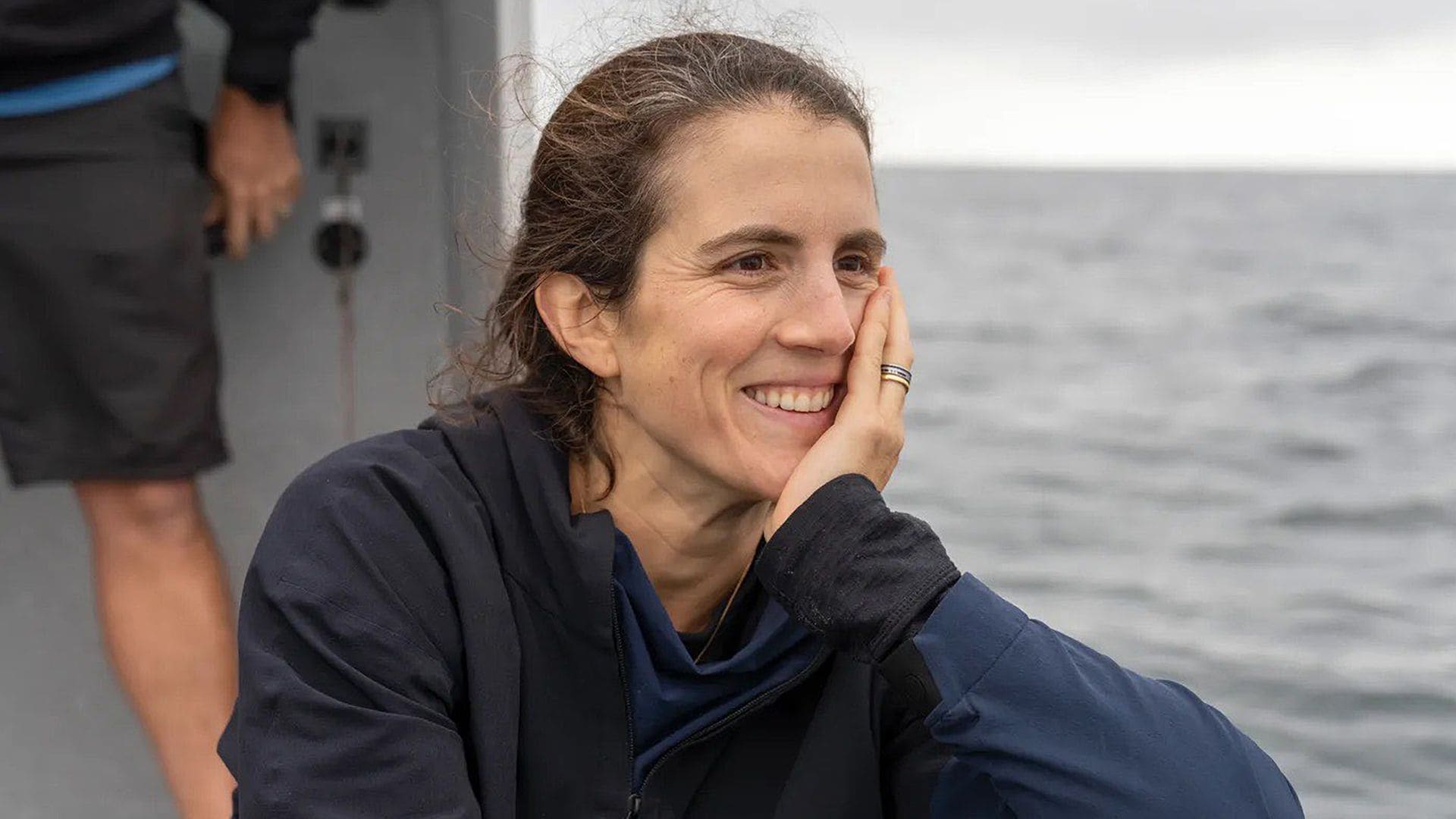
The Kennedy family returned to familiar ground on Manhattan’s Upper East Side this week, gathering quietly to honor the life of Tatiana Schlossberg, the environmental journalist, devoted mother, and beloved granddaughter of President John F. Kennedy, who died on December 30 at just 35 years old after a short but devastating battle with acute myeloid leukemia.
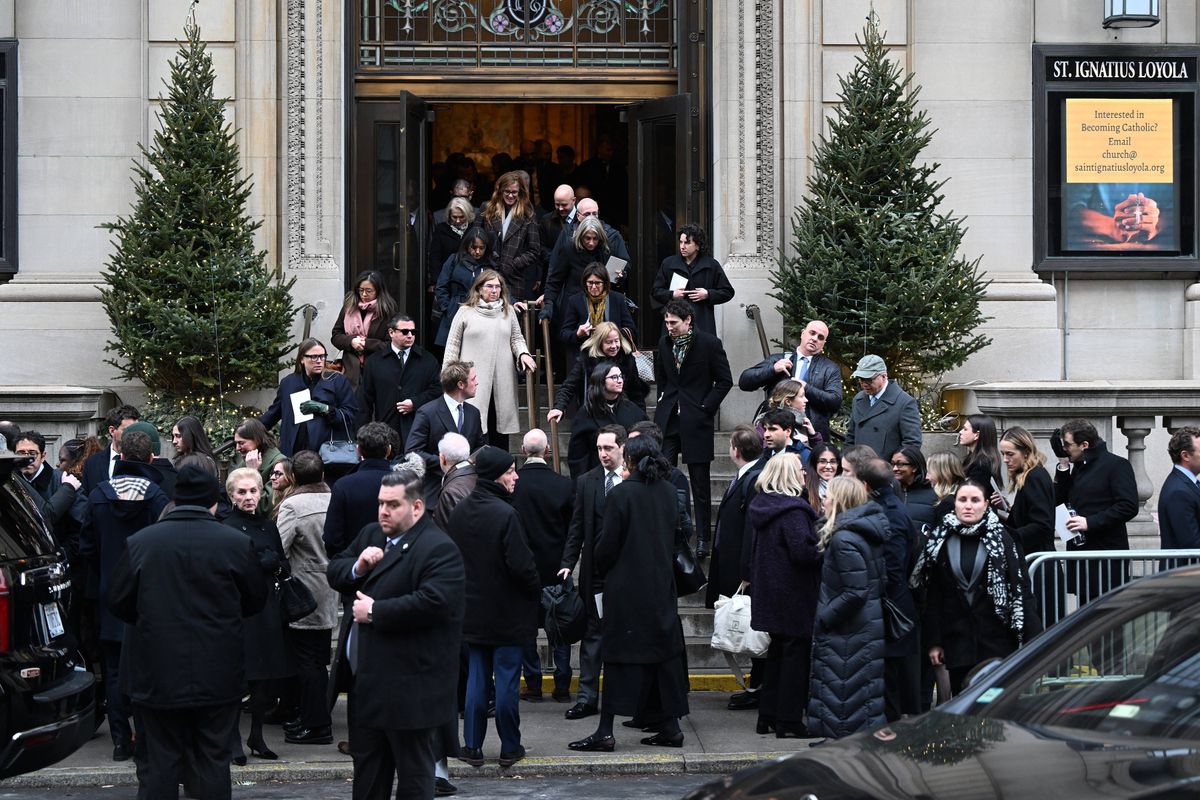
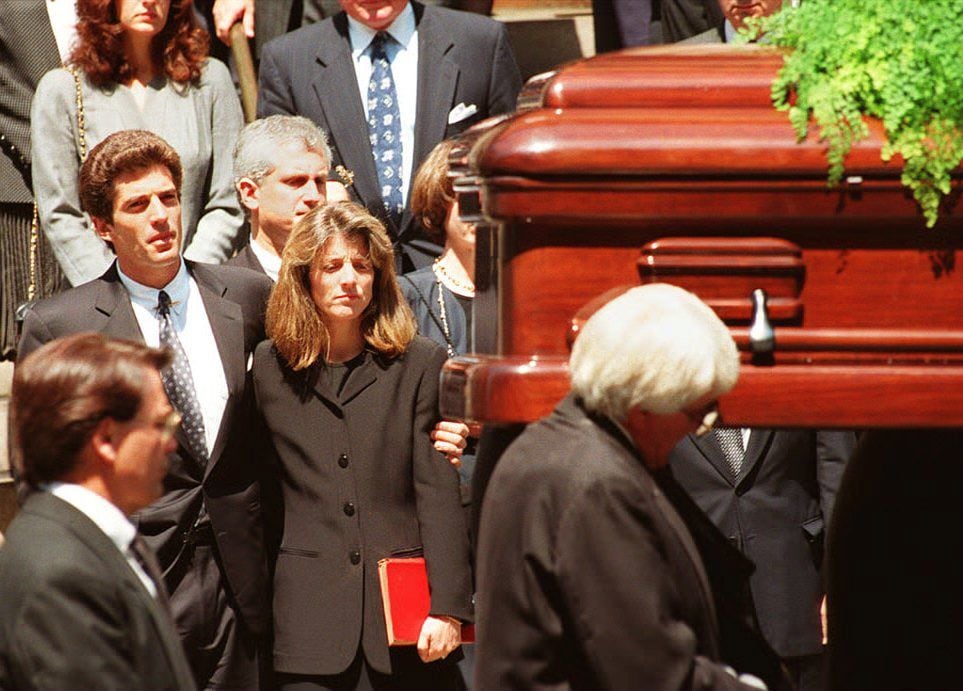
Held on Monday, January 5, at the Church of St. Ignatius of Loyola, the private Catholic funeral unfolded behind closed doors and carried deep meaning for the family. Jacqueline Kennedy Onassis was baptized and confirmed there, and it was also the site of her funeral in May 1994.
 © Cover-Images
Tatiana’s immediate family arrived together, showing the tight-knit bond that defined her final years. Her mother, Caroline Kennedy, was seen entering the church alongside her husband, Edwin Schlossberg, and their children, Jack and Rose. Tatiana’s husband, George Moran, attended with their two young children, 3-year-old Edwin and 18-month-old Josephine.
 © Cover-Images
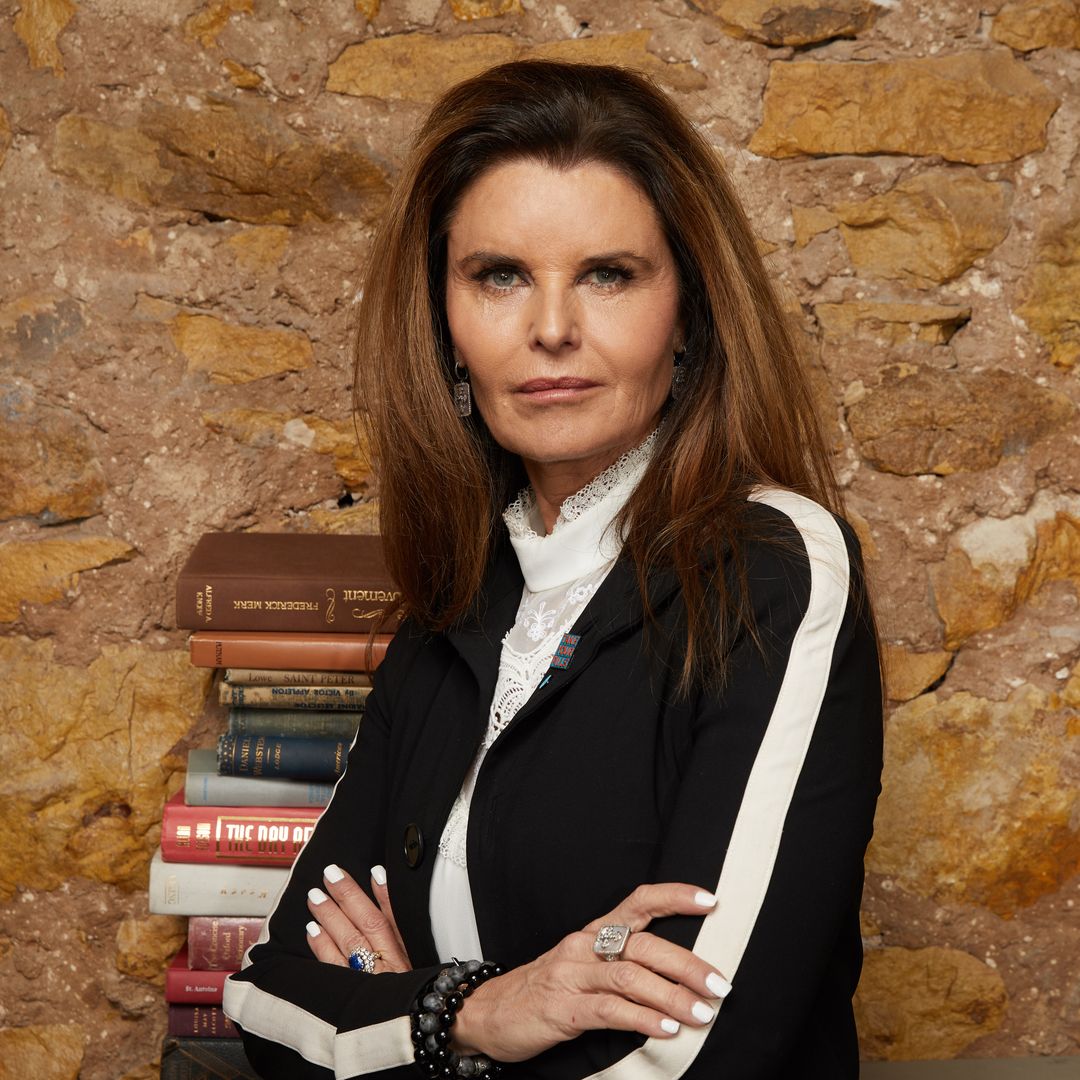
Extended family members, including cousins Kerry Kennedy and Maria Shriver, were also present, as were longtime family friends and public figures who came to pay their respects.
 © Cover-Images
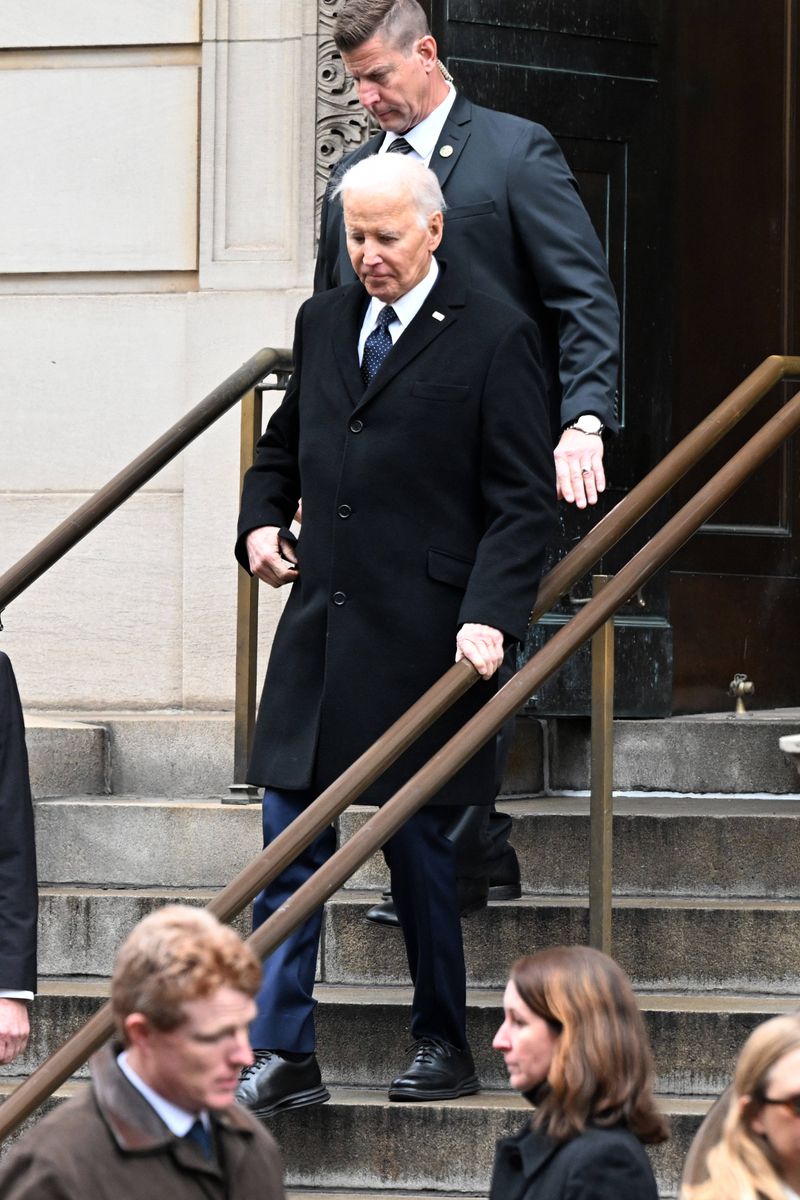
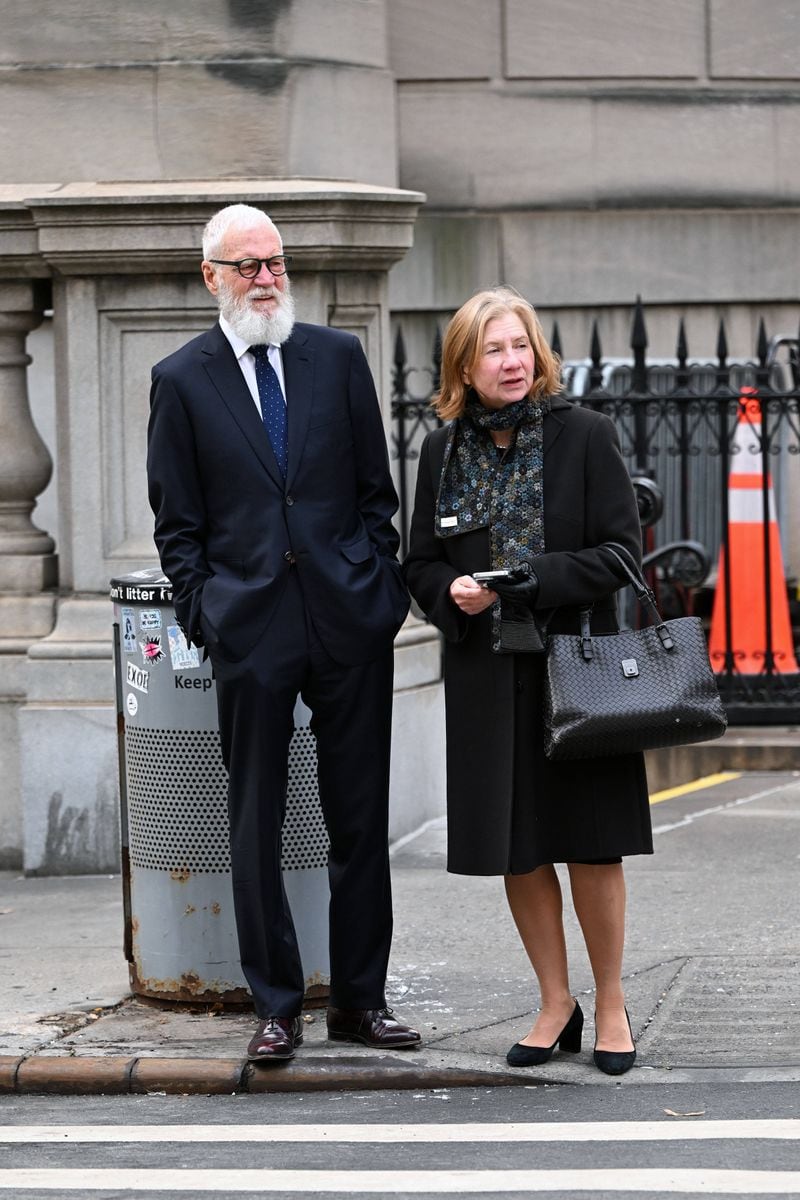
Among those photographed exiting the service were former President Joe Biden, former House Speaker Nancy Pelosi, former Secretary of State John Kerry, and former New York City Mayor Michael Bloomberg.
 © Cover-Images
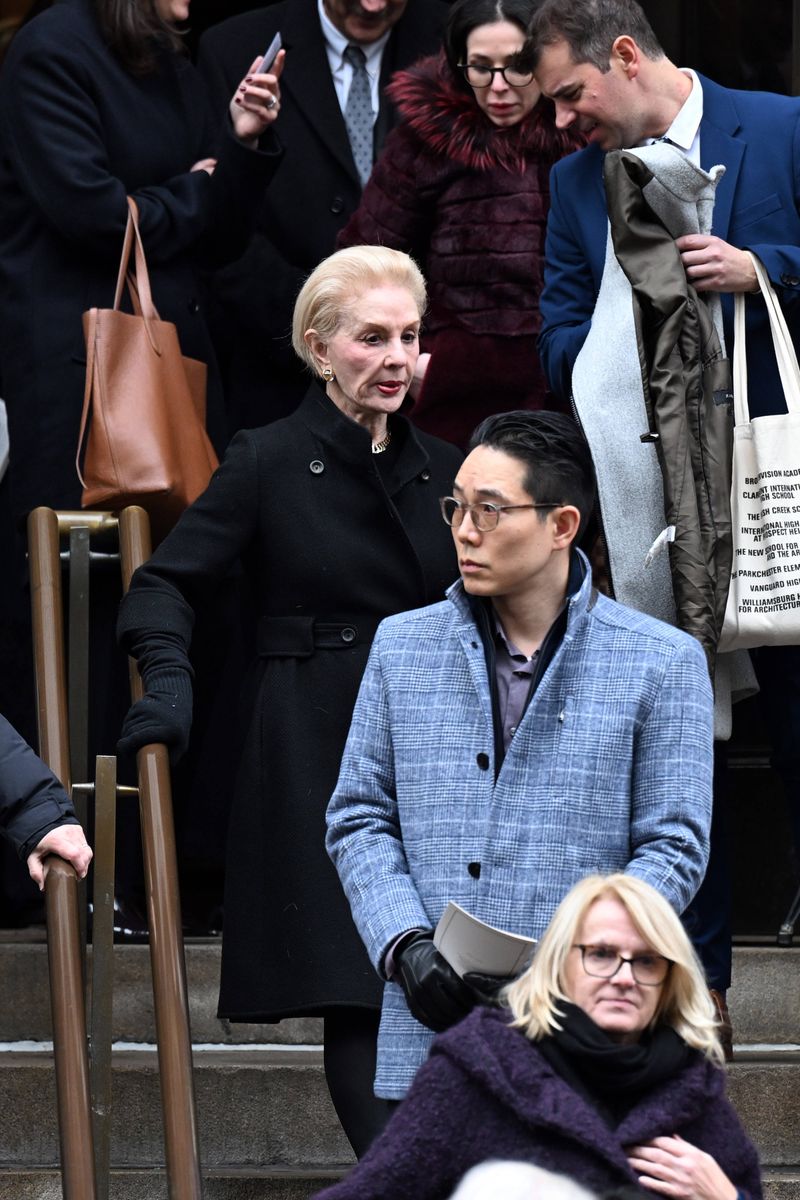
Designer Carolina Herrera, who created Tatiana’s wedding dress in 2017, and late-night host David Letterman were also in attendance. A source told Page Six the service was formal and deeply moving. “A beautiful family and a beautiful service for a beautiful life,” the source said. “There were lots of hugs.” The priest delivered a eulogy, and Tatiana’s brother Jack also spoke, along with other loved ones.
Why the funeral’s location mattered:
Despite the family’s desire for privacy, the funeral’s location inevitably drew public attention, something the Kennedys have long understood as part of their legacy.
fAs a family whose milestones and tragedies have long unfolded in the public eye, stepping forward once again was less a departure from privacy than a continuation of legacy.
 © TIMOTHY A. CLARY
A family friend told People that Caroline is now turning to her own mother’s example as she helps her grandchildren navigate life without their mother. “Caroline is going to have to do for Tatiana's children what Jackie had to do for her children: keep the memory alive of their parent that they might not remember,” the source said. “It's tragic.”
Remembering Tatiana Schlossberg:
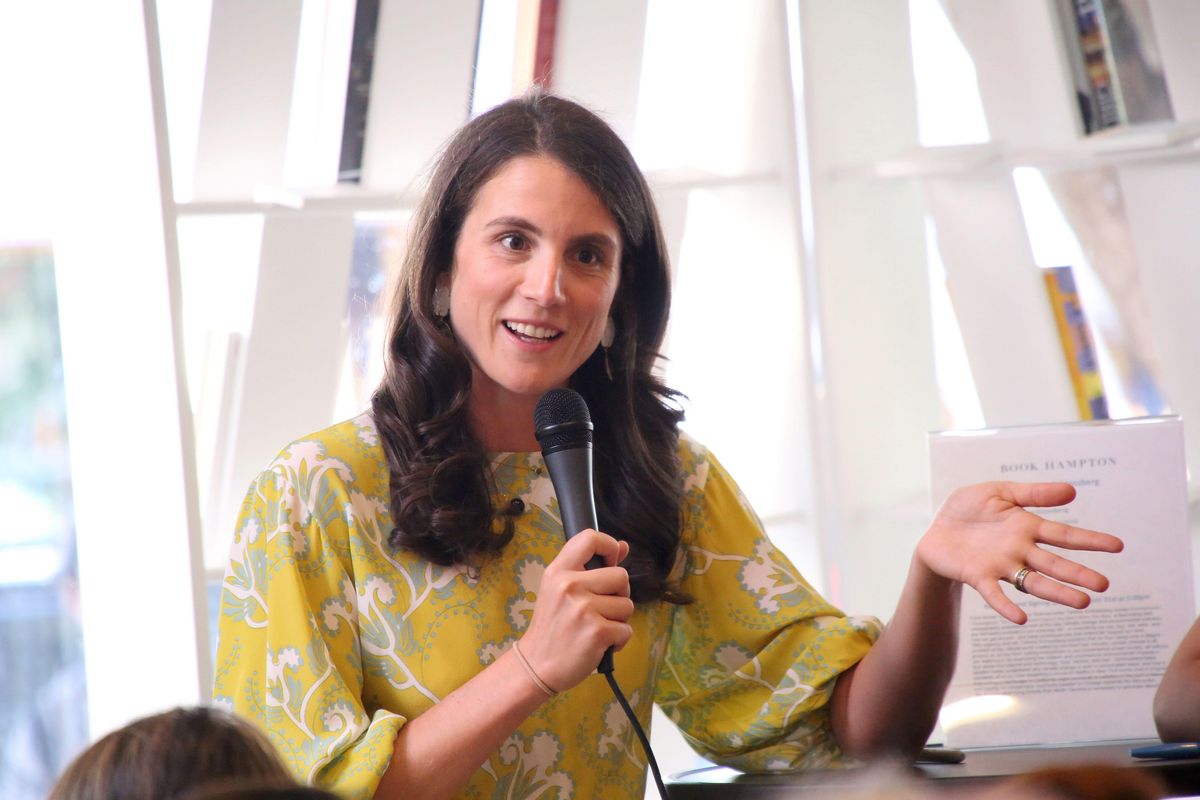
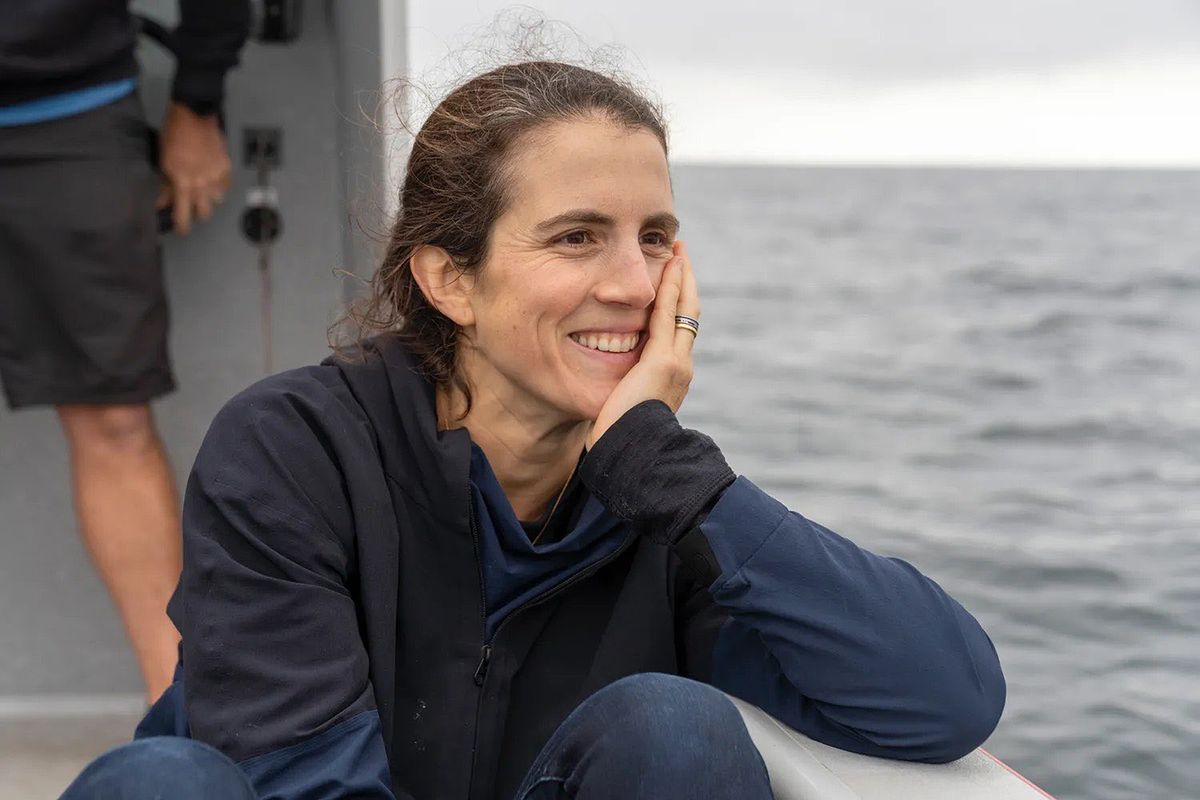
A Yale and Oxford graduate, Schlossberg built a respected career as an environmental journalist and was reportedly planning a research project on ocean conservation before her diagnosis.
The JFK Library Foundation honored her on Monday by sharing a photo of Tatiana smiling with her husband and children, writing, “As we remember Tatiana and celebrate her life, our hearts are with her family and all who loved her.”
 © ZUMA Press, Inc.
Since then, that image, believed to be one of the final photos taken of her, has taken on new meaning. It has sparked conversations about cancer, caregiving, motherhood, and the fragility of life.
Tatiana’s final words:
Schlossberg’s death came just weeks after she publicly revealed her diagnosis in a heartbreaking essay published in The New Yorker, where she described the disbelief of being told she had cancer shortly after giving birth.
 © IPASocialIT/IPA/Sipa USA
“I did not—could not—believe that they were talking about me," she wrote. "I had swum a mile in the pool the day before, nine months pregnant. I wasn’t sick. I didn’t feel sick. I was actually one of the healthiest people I knew."
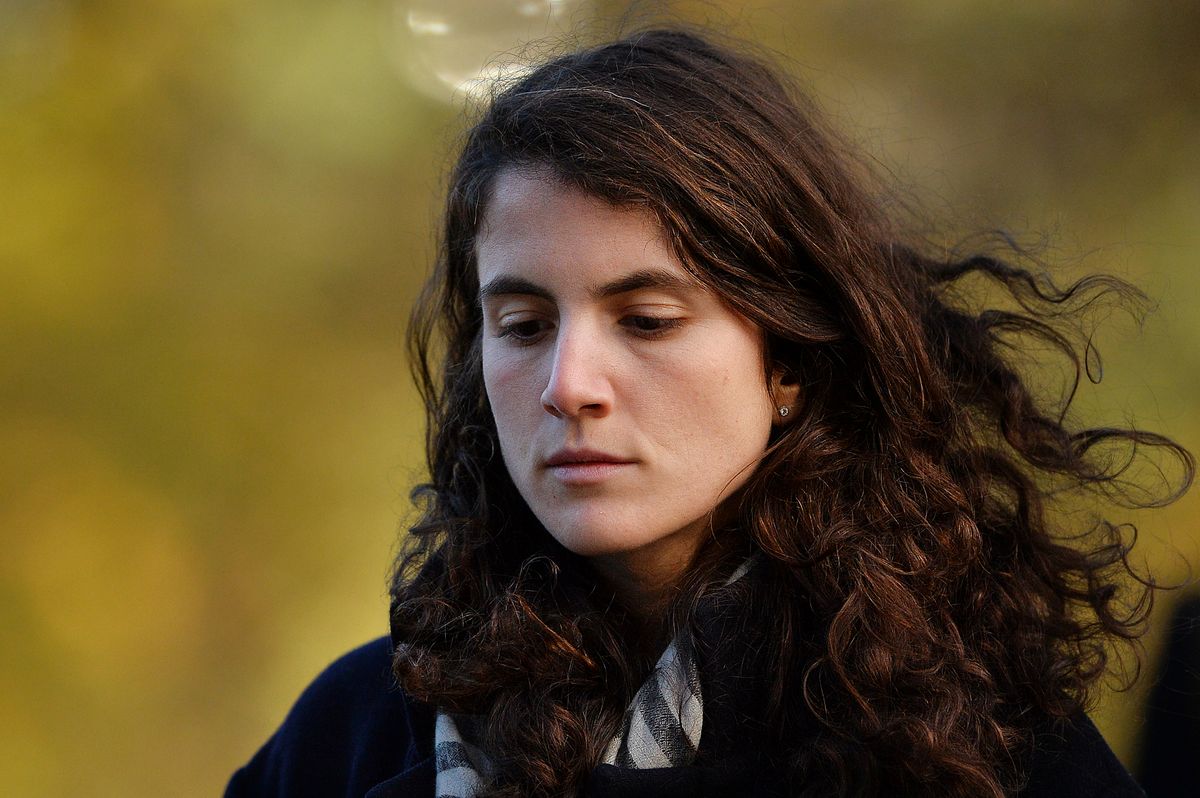
Diagnosed in May 2024, Schlossberg underwent relentless treatment, including multiple rounds of chemotherapy and immunotherapy, as well as several bone marrow transplants.
 © AFP via Getty Images
Her sister was a full match and donated stem cells. Her brother, a half-match, persistently asked doctors how he could help. Throughout it all, her family remained by her side.
“My parents and my brother and sister, too, have been raising my children and sitting in my various hospital rooms almost every day for the last year and a half,” she wrote. “They have held my hand unflinchingly while I have suffered, trying not to show their pain and sadness in order to protect me from it. This has been a great gift, even though I feel their pain every day.”
 © Tatiana Schlossberg
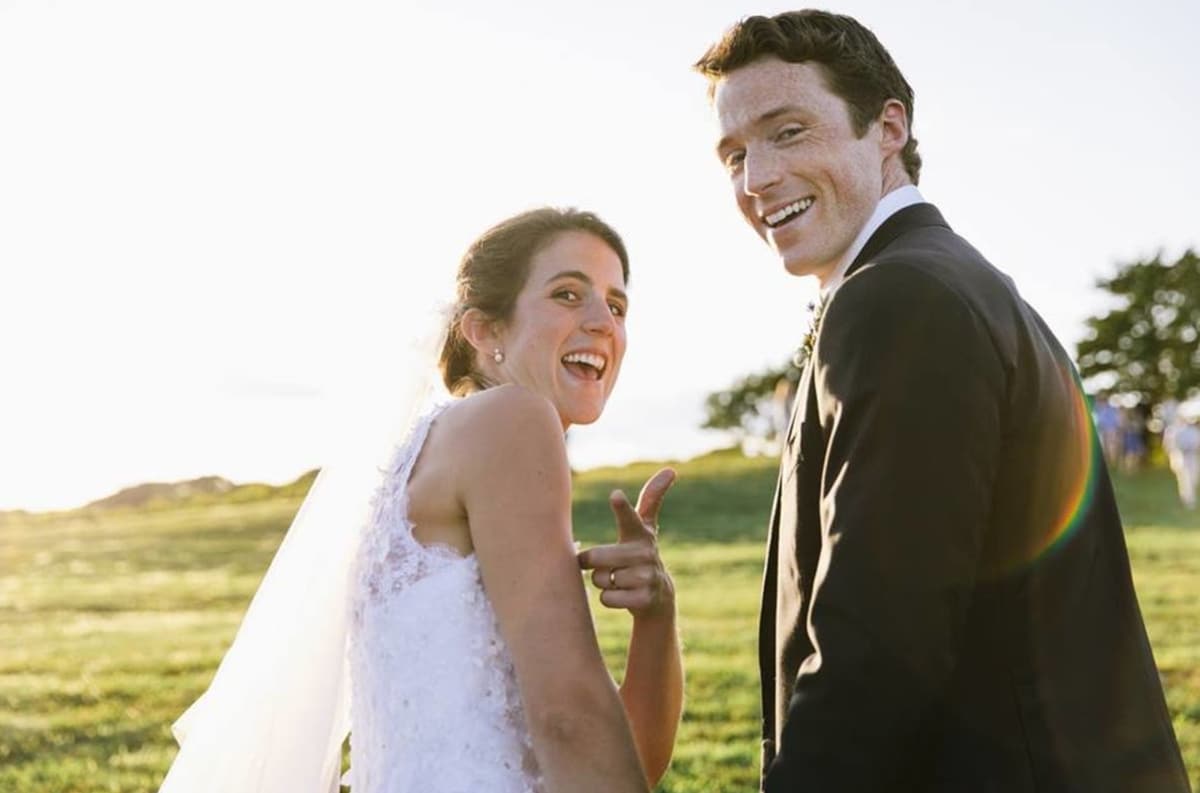
She also wrote tenderly of her husband, George Moran, a physician, detailing how he took on every logistical and emotional burden imaginable.
“He talked to all the doctors and insurance people that I didn’t want to talk to; he slept on the floor of the hospital; he didn’t get mad when I was raging on steroids and yelled at him that I did not like Schweppes ginger ale, only Canada Dry. He would go home to put our kids to bed and come back to bring me dinner,” she wrote.