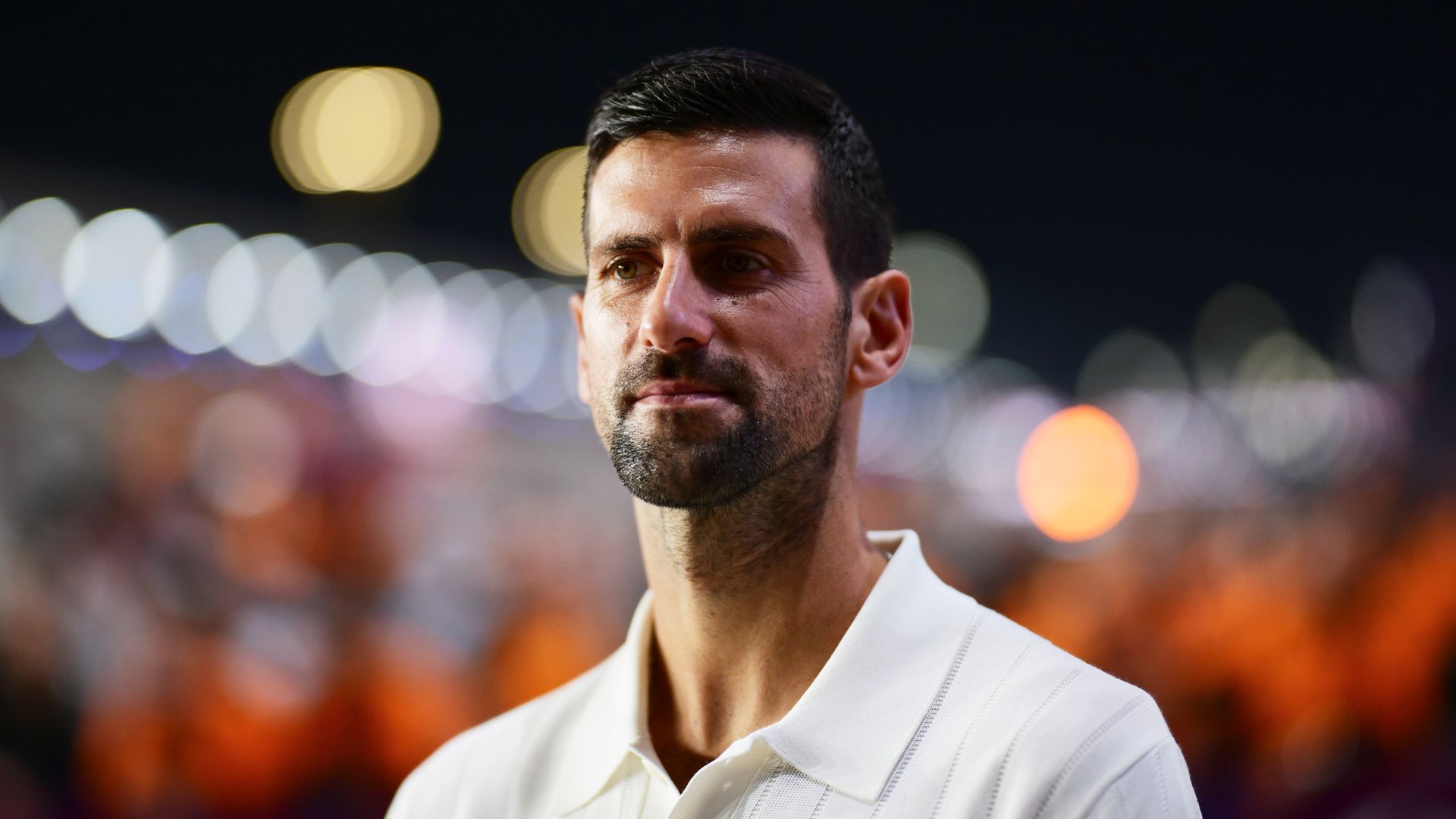
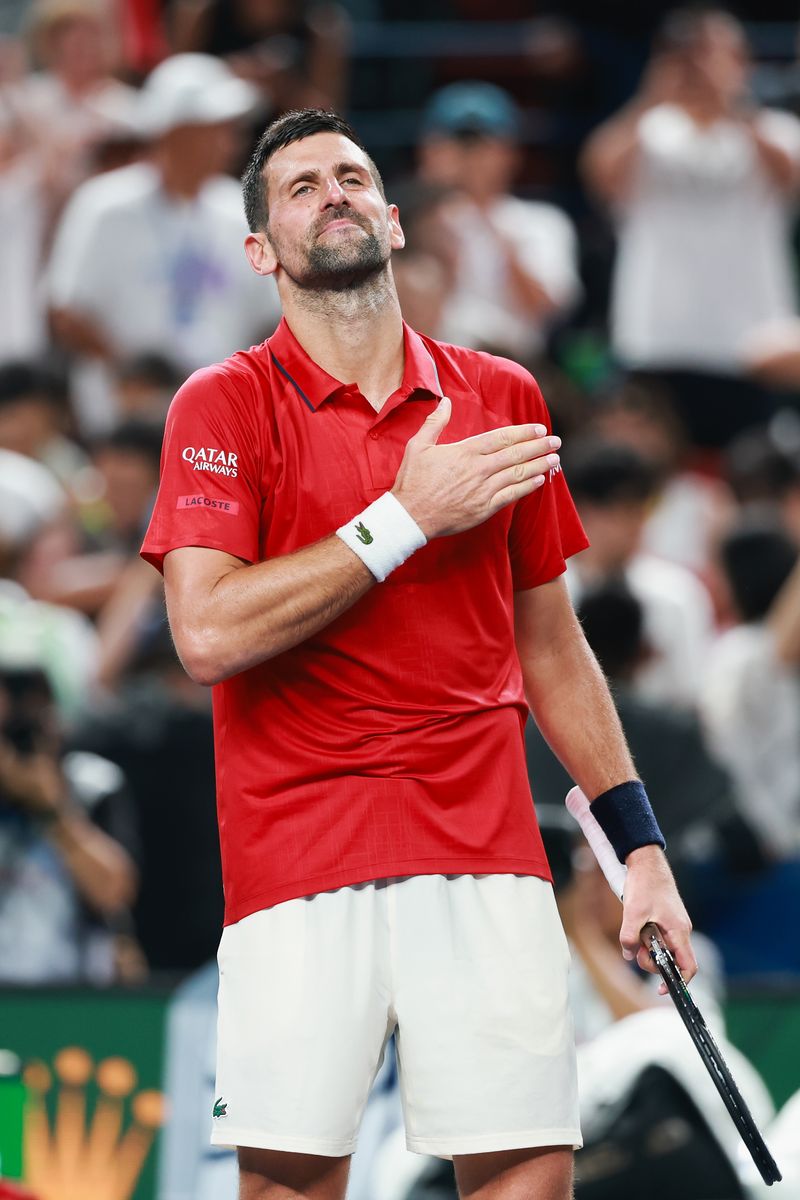
Novak Djokovic has officially ended his relationship with the Professional Tennis Players Association, the players’ union he co-founded in 2021, sending a shockwave through the world of professional tennis. The 24-time Grand Slam champion announced in a statement posted on X, saying that it had become clear that his “values and approach are no longer aligned with the current direction of the organization.”
For an athlete who helped create the PTPA as a bold alternative to tennis’s long-established power structures, the move is more than symbolic. It signals a turning point in how player activism, governance, and collective bargaining might evolve.
 © Getty Images
Why Novak Djokovic Started the Professional Tennis Players Association
The PTPA was launched by Djokovic and Canadian player Vasek Pospisil in 2021. Their goal was to give professional tennis players a true voice in an industry where they are treated as independent contractors rather than employees. Unlike team sports such as the NBA or NFL, tennis players do not benefit from formal collective bargaining agreements. Prize money, scheduling, and commercial rights are largely controlled by governing bodies like the ATP, WTA, ITF, and the four Grand Slam tournaments.
Djokovic and Pospisil believed that the imbalance needed to be corrected. They pitched the PTPA as a players’ union that could advocate for better pay, more transparent governance, and stronger protections for player welfare. From the start, it was a disruptive idea, challenging the power of tennis institutions that had operated in roughly the same way for decades.
What Went Wrong Between Djokovic and the PTPA
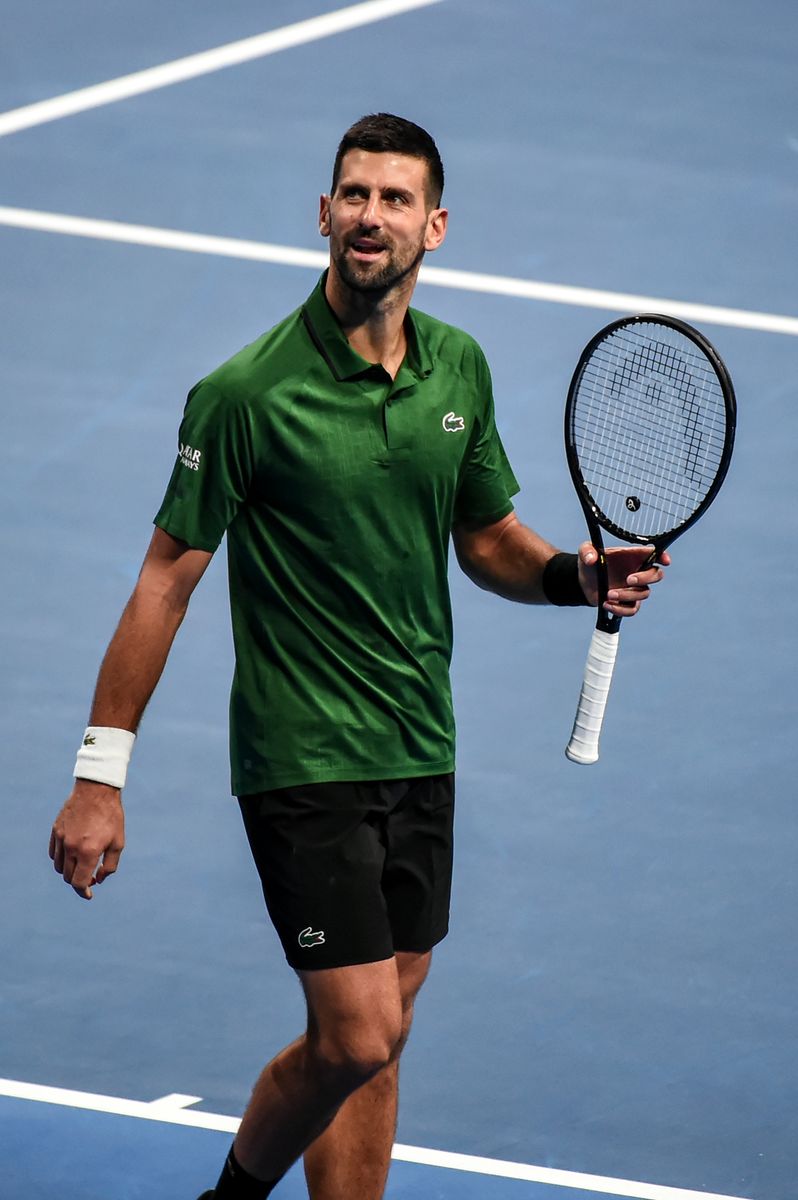
In his statement on Sunday, Djokovic pointed to “ongoing concerns regarding transparency, governance, and the way my voice and image have been represented.” That language matters. It suggests the split was not about the idea of player representation, but about how the organization was being run and how his own role inside it had evolved.
 © Getty Images
The timing is also telling. Earlier this year, the PTPA filed a major class action lawsuit against the ATP, WTA, the International Tennis Federation, and the sport’s integrity agency. The suit accused those bodies of systemic abuse, anti-competitive practices, and a blatant disregard for player welfare. Later, all four Grand Slam tournaments were added as defendants.
Despite being the most famous co-founder of the PTPA, Djokovic was not listed as a plaintiff when the lawsuit was filed. He explained at the time that he wanted other players to step up. That decision now looks like an early signal that he was already distancing himself from the organization’s legal strategy.
The Lawsuit That Changed Everything
The PTPA argues that tennis players should have access to a much larger share of the revenue generated by the sport. It claims that the organizations overseeing Wimbledon, the US Open, the French Open, and other professional events "cap the prize money tournaments award and limit players' ability to earn money off the court."
 © Formula 1 via Getty Images
In simpler terms, the players’ union believes the system is rigged to favor tournaments and governing bodies over the athletes who actually create the product. That argument has resonated with many players, especially those ranked outside the top tier who struggle to cover travel, coaching, and medical costs.
Djokovic, who has always been strategic about his public image and his legacy, appears to have decided that path no longer fits his principles.
What Djokovic’s Exit Means for Player Power
Djokovic’s departure does not mean the PTPA will disappear. Vasek Pospisil and other former and current players remain deeply involved, and the lawsuit will move forward with or without its most famous founder. But his exit changes the narrative.
For years, Djokovic was the public face of the push for player empowerment. He used his status as a 24-time Grand Slam champion to draw attention to issues many players felt were ignored. Without him, the PTPA loses a powerful megaphone, even if its legal case remains intact.
 © Getty Images
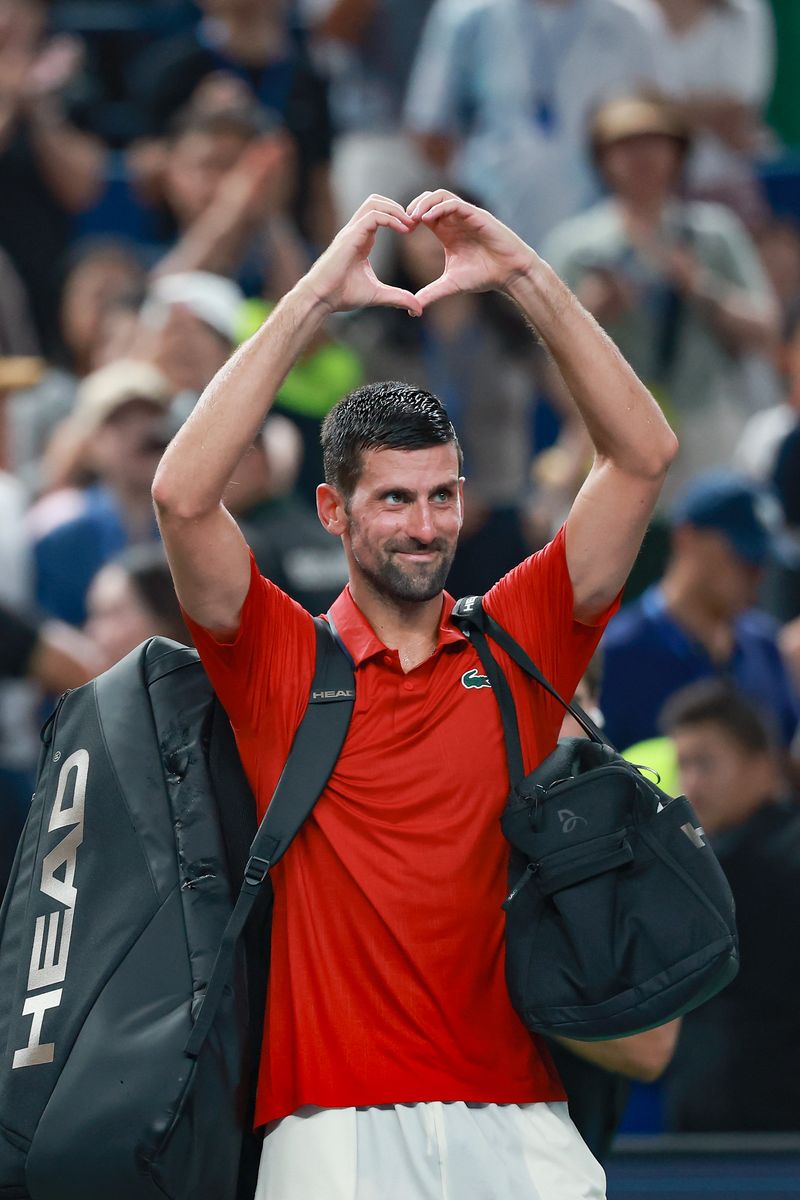
At the same time, Djokovic has made it clear he is not walking away from tennis or from the idea of contributing to the sport. He said he "will continue to focus on my tennis, my family, and contributing to the sport in ways that reflect my principles and integrity. I wish the players and those involved the best as they move forward, but for me, this chapter is now closed." That leaves open the possibility that he will pursue reform through quieter, more traditional channels rather than through a confrontational lawsuit.
Djokovic remains one of the greatest athletes the sport has ever seen, but his influence off the court is now entering a new phase. Whether the PTPA succeeds or struggles, the questions it raised about prize money, governance, and player welfare are not going away.
![Soccer legend Marta Vieira da Silva weds former teammate in dream ceremony [PHOTOS]](https://www.hola.com/us/horizon/square/546817c46fb2-screenshot-2026-01-05-at-102110-am.jpg)