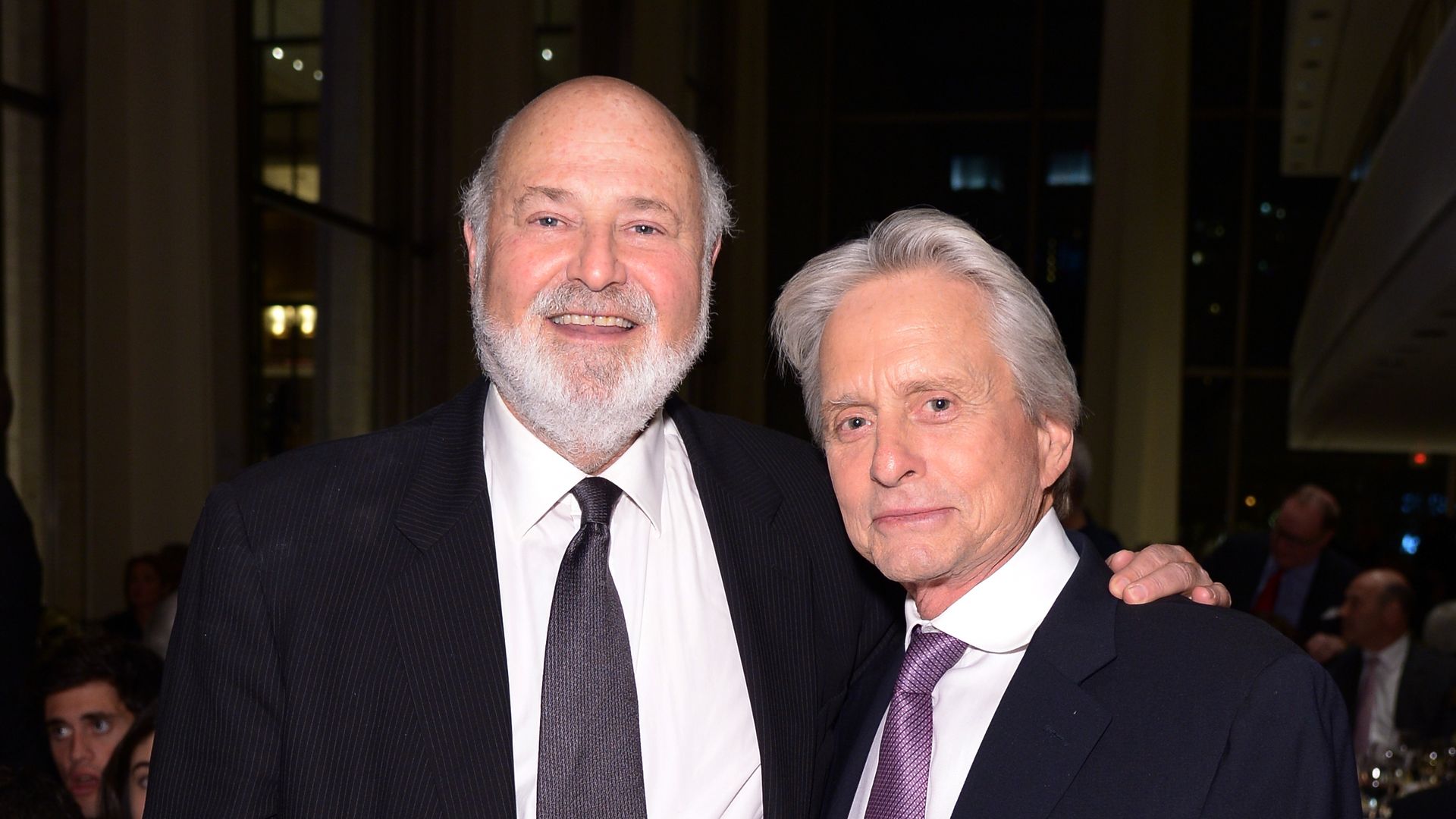
Hollywood has never lacked stories about fame, power, and success. What it rarely lingers on is the private damage that can exist behind the curtain. A recent CBS News special offered a rare, sobering look into that hidden space, revealing how Rob Reiner leaned on Michael Douglas while struggling with his son Nick Reiner’s drug addiction, years before a tragedy that would ultimately devastate their family.
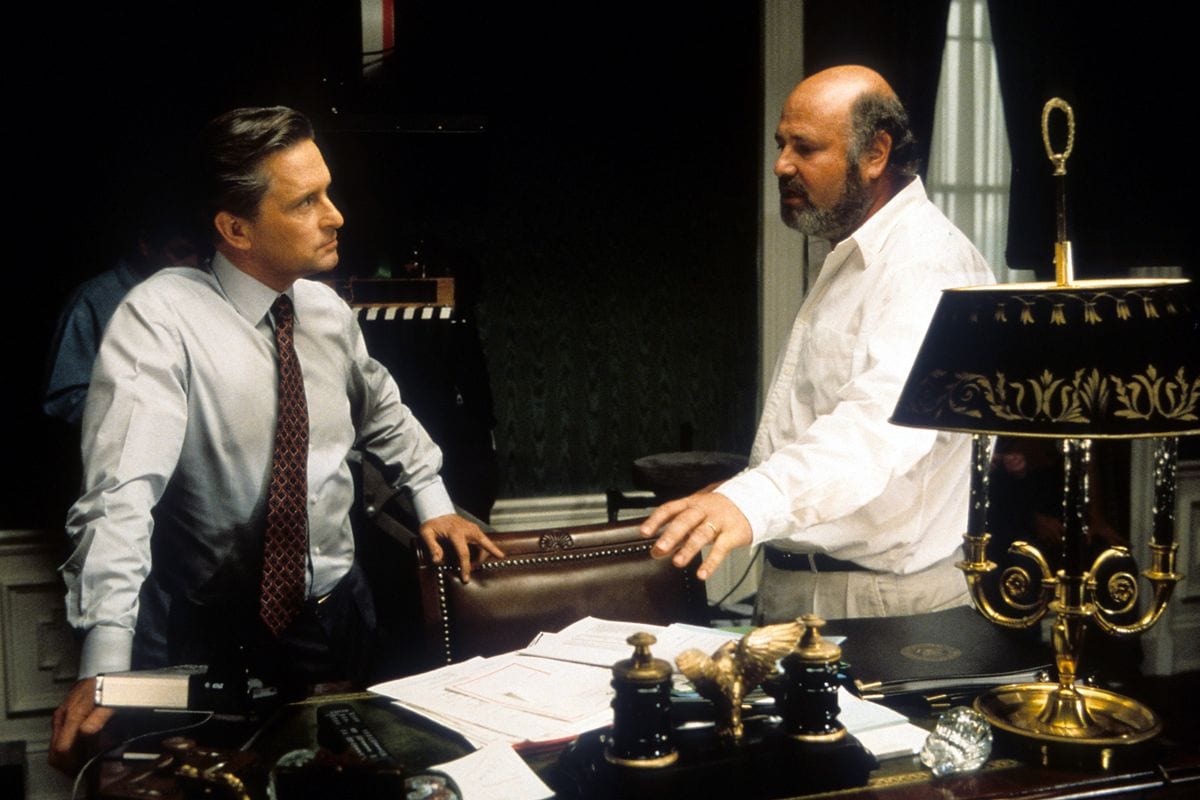
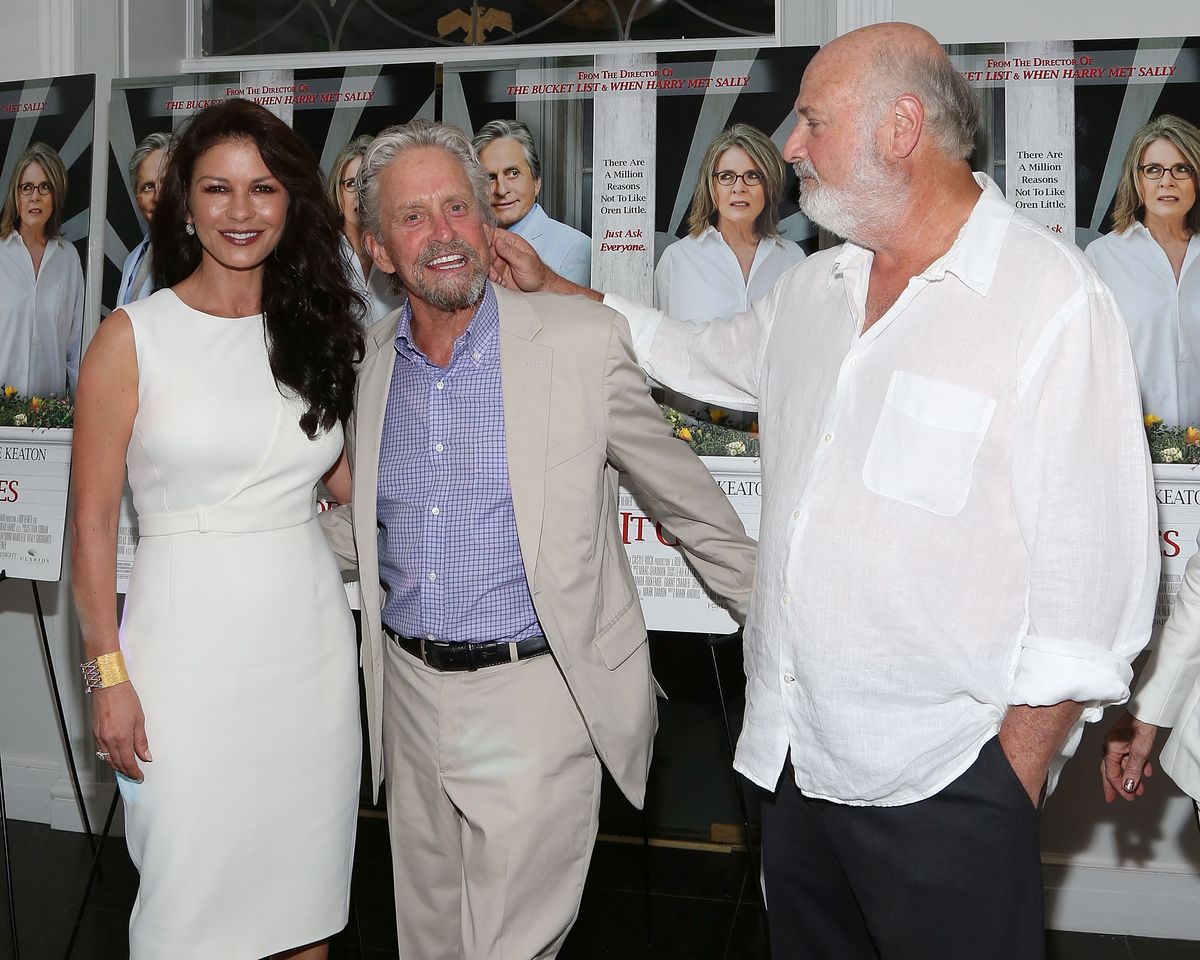
In the CBS News documentary Rob Reiner — Scenes from a Life, Douglas spoke openly about the quiet, deeply personal conversations he shared with Reiner. The two men did not connect as Hollywood heavyweights, but as fathers navigating the same terrifying terrain: raising children battling addiction.
 © Getty Images
“With this terrible tragedy, we’re realising how much pressure he was dealing with in his personal life with his son,” Douglas said, reflecting on Reiner’s state of mind in the years leading up to the deaths. Douglas understood that pressure intimately. His own son Cameron struggled publicly with drug addiction for years, a period Douglas has described as one of the most painful chapters of his life. This shared experience created a space where honesty replaced platitudes.
“I also had a son who had had drug issues. I’m happy to say he’s overcome them and is living a prosperous life,” Douglas said, carefully acknowledging how rare and fragile recovery can be.
What Parents Can Do, and What They Can’t
Douglas explained that he and Reiner spoke often, and candidly, about the limits of parental control. These were not conversations filled with solutions or optimism-for-show. They were grounded, realistic, and heavy. “We did talk a lot about that and what you can do as a parent, what you can’t do,” Douglas recalled. That sentence captures a truth many families facing addiction eventually learn. You can love deeply and still fail to protect. You can intervene repeatedly and still lose ground.
 © WireImage
Fame, wealth, and influence do not change that math. Despite the turmoil unfolding privately, Douglas said Reiner never allowed it to diminish his commitment to his work or to others. “Knowing with all of that going on behind the scenes, this was a man who always gave it his best,” Douglas said.
Growing Up Under Legendary Names
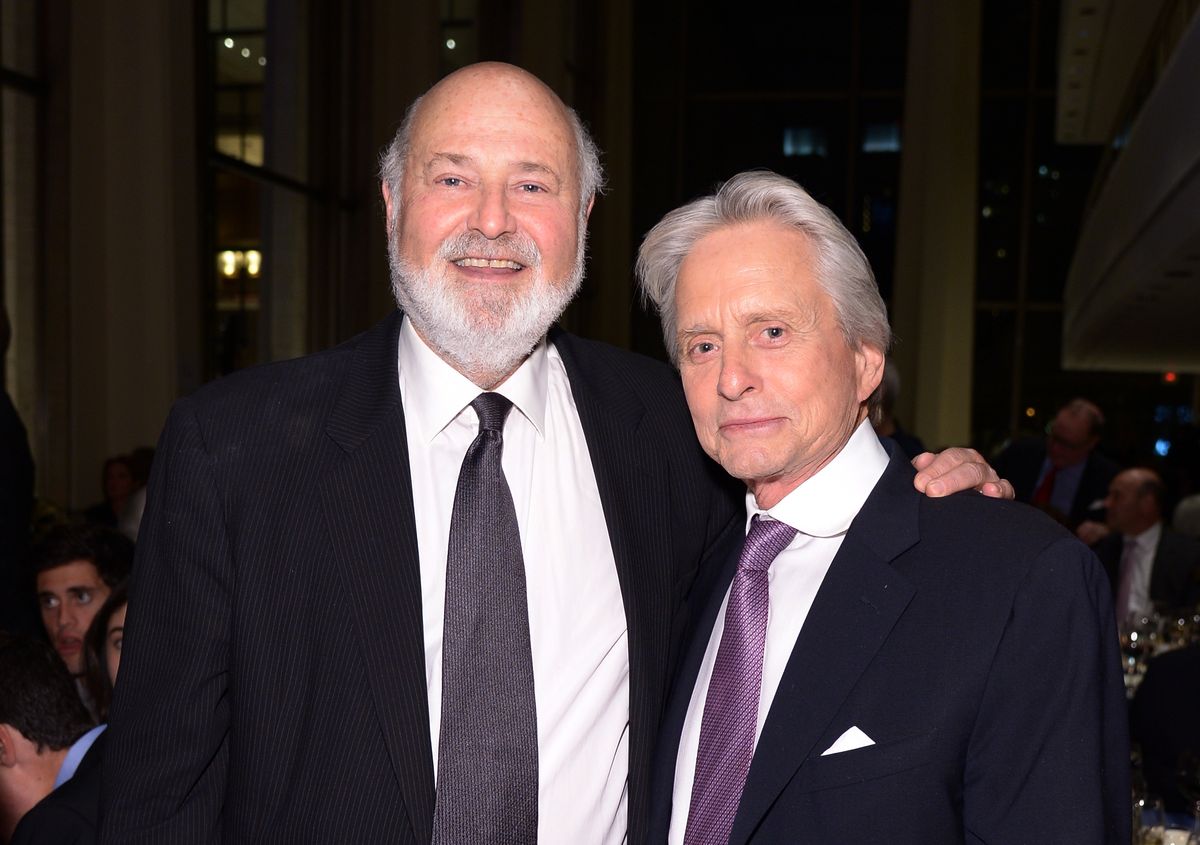
Their bond extended beyond fatherhood. Douglas also reflected on how he and Reiner connected over the experience of growing up with famous fathers, a unique pressure that quietly shapes identity. Douglas is the son of the late Kirk Douglas, whose presence loomed large in American film history. Reiner, meanwhile, was the son of Carl Reiner, a towering figure in comedy and television.
 © WireImage
Douglas described the psychological weight of stepping into the same profession as a legendary parent. “I could never be the man that my father was. He can do everything,” he said, referencing Kirk Douglas’s iconic performance in "Spartacus."
For Reiner, the comparison was different but just as sharp. “In Rob’s case, are you as funny as your father?” Douglas said. He noted that this constant comparison likely fueled Reiner’s drive, resilience, and endurance, qualities that are often overshadowed by his long list of successful films.
A Tragedy That Reframed Everything
Those reflections have taken on new gravity following the events of December 14. As reported by Page Six, Rob Reiner, 78, and his wife, Michele Reiner, 70, were found stabbed to death in their Brentwood, California home.
 © Getty
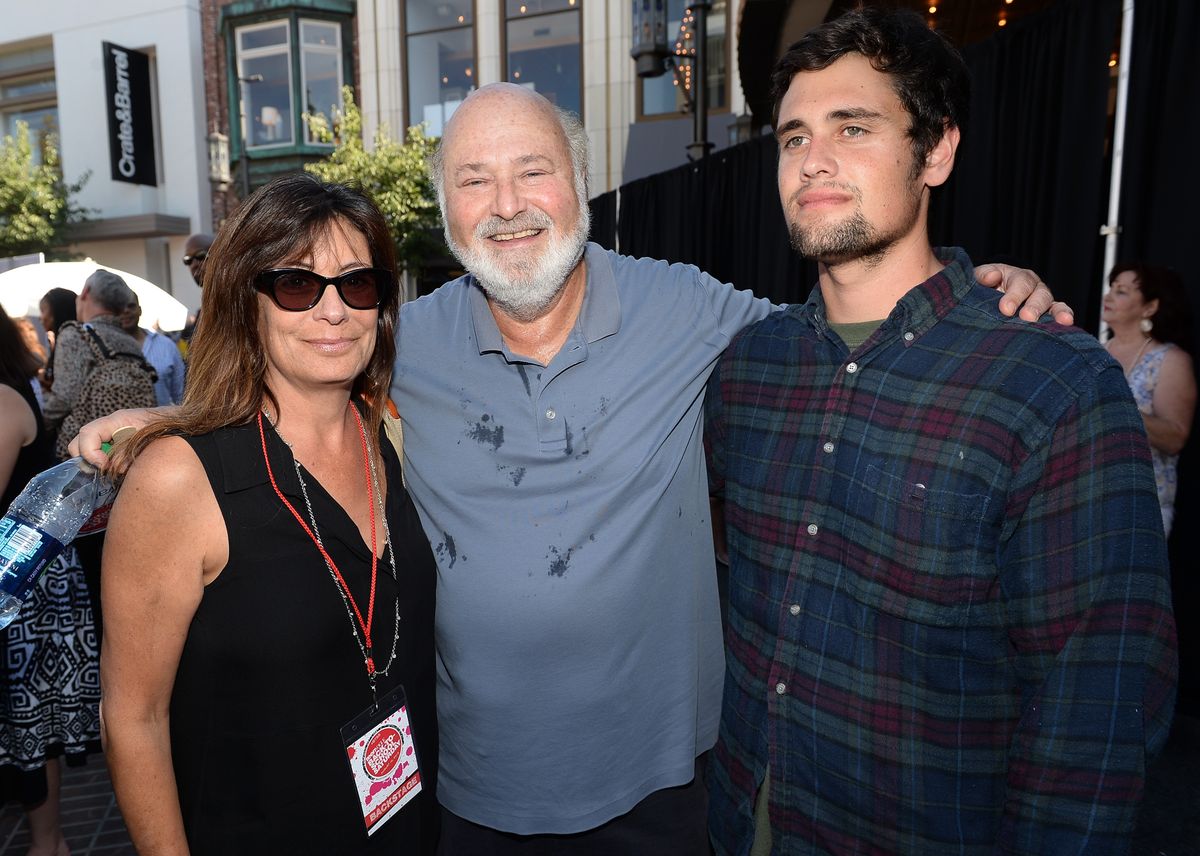
Their son Nick Reiner, 32, was arrested and charged with murder in connection with their deaths. Nick, a screenwriter known for "Being Charlie," had long struggled with drug addiction and reportedly had a history of violent outbursts. In the weeks before the killings, Nick was diagnosed with schizophrenia. According to reports, the medication he was prescribed allegedly made him erratic and dangerous. TMZ has reported that due to his diagnosis, Nick is expected to pursue an insanity defense.
In sharing these moments, Douglas reframes Rob Reiner not just as a director or a Hollywood figure, but as a father carrying an invisible weight. It is a reminder that the hardest stories in Hollywood rarely happen on screen, and they rarely end when the cameras stop rolling.