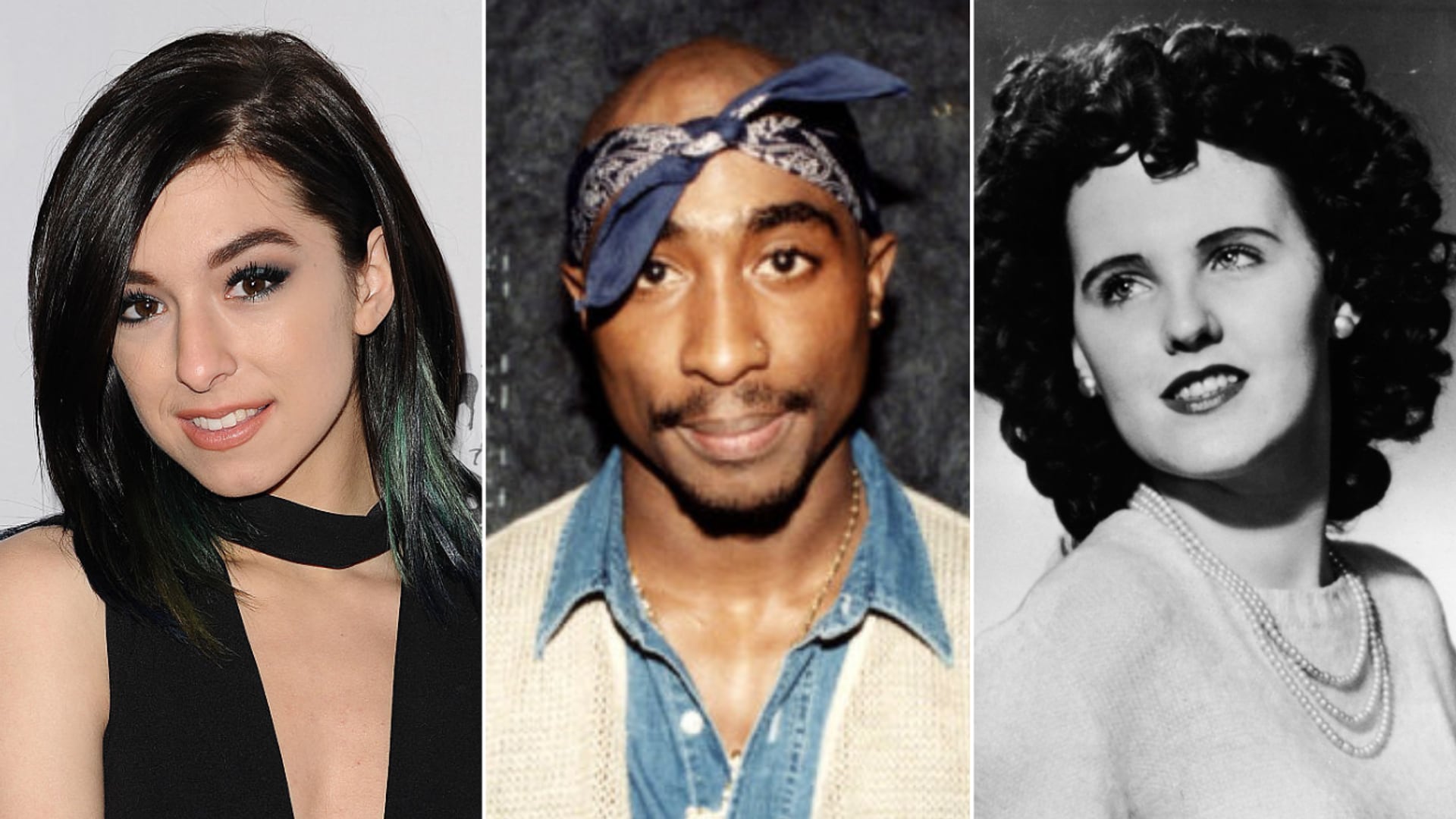
Hollywood has produced some intense movies and television shows about crimes, but sometimes art imitates life in the worst way. This week, the industry was shaken up with the murders of Rob Reiner and his wife, Michele, but unfortunately, it’s not the first time there have been acts of extreme violence in the City of Angels. Across decades, highly visible lives have been cut short by crimes that exposed failures in protection, justice, and care. These cases help understand how fame intersects with danger, and how society responds when public figures are lost to violence.
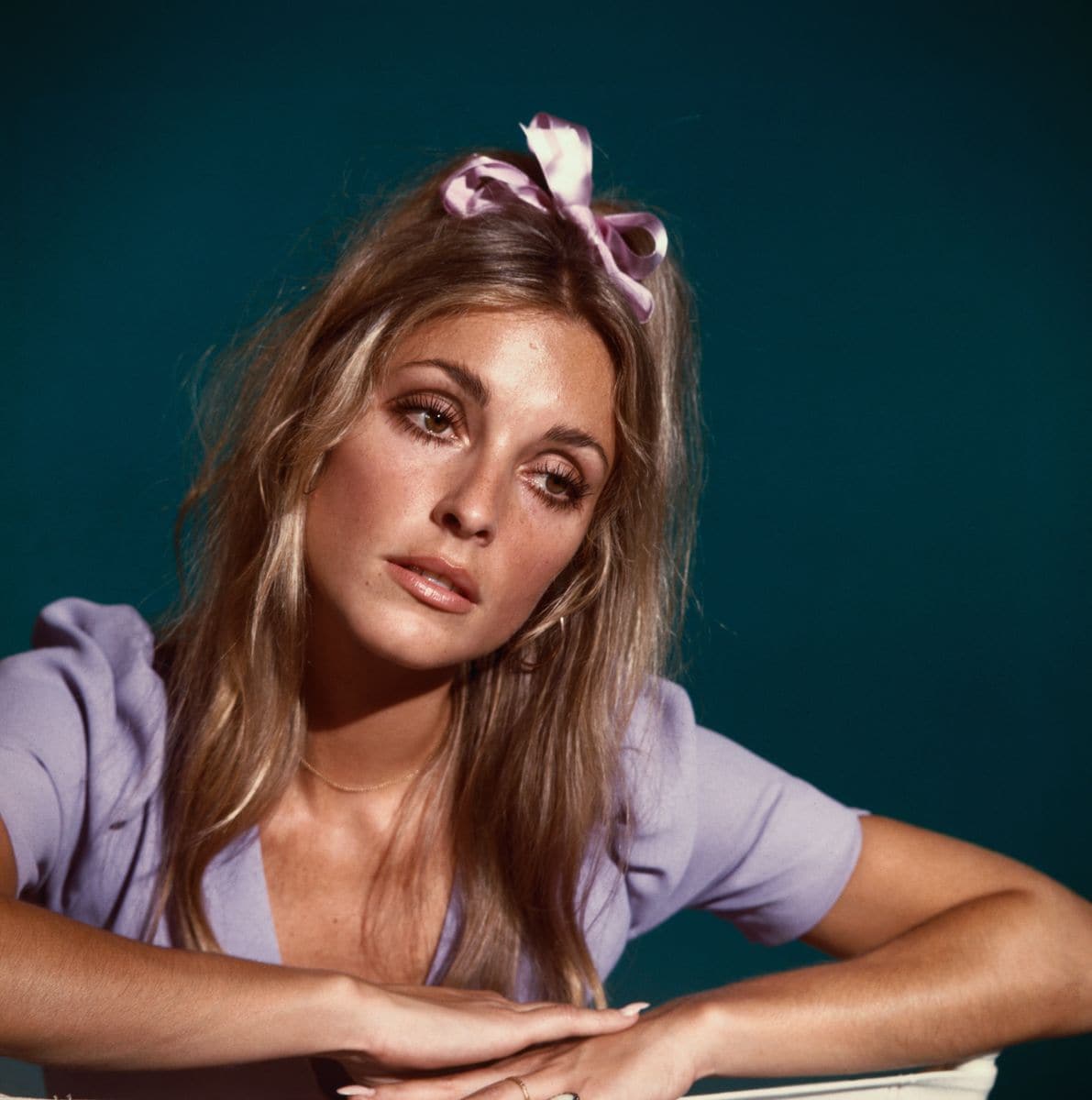
Sharon Tate (August 9, 1969)
 © Bettmann
Actress Sharon Tate and four others were murdered in her Los Angeles home by members of the Charles Manson cult. Stabbed to death, she was married to film director Roman Polanski, eight months pregnant, and only 26. Her murder has been described as the moment Hollywood’s carefree ’60s officially ended. Decades later, there’s still discomfort around how the fascination with her killers overshadows her legacy.
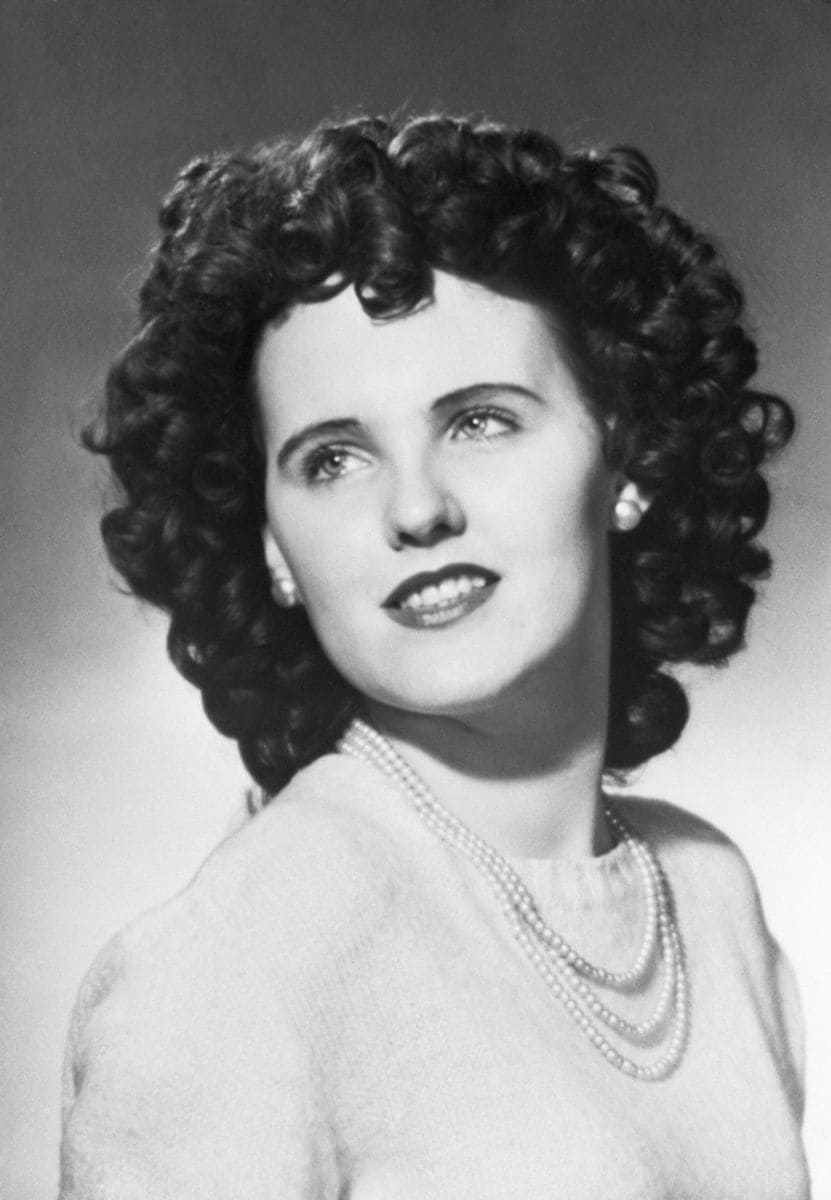
Elizabeth Short (January 15, 1947)
 © Bettmann
One of the most infamous unsolved crimes, Elizabeth Short, an aspiring actress, was found murdered in Los Angeles at the young age of 22. Dubbed the “Black Dahlia” by the press, Short's severely mutilated body was found in Leimart Park. Because of the gruesome nature of the crime, Short was transformed into a symbol rather than remembered as a person. The sensational coverage set the stage for how violence against women in Hollywood could be exploited and endlessly recycled.
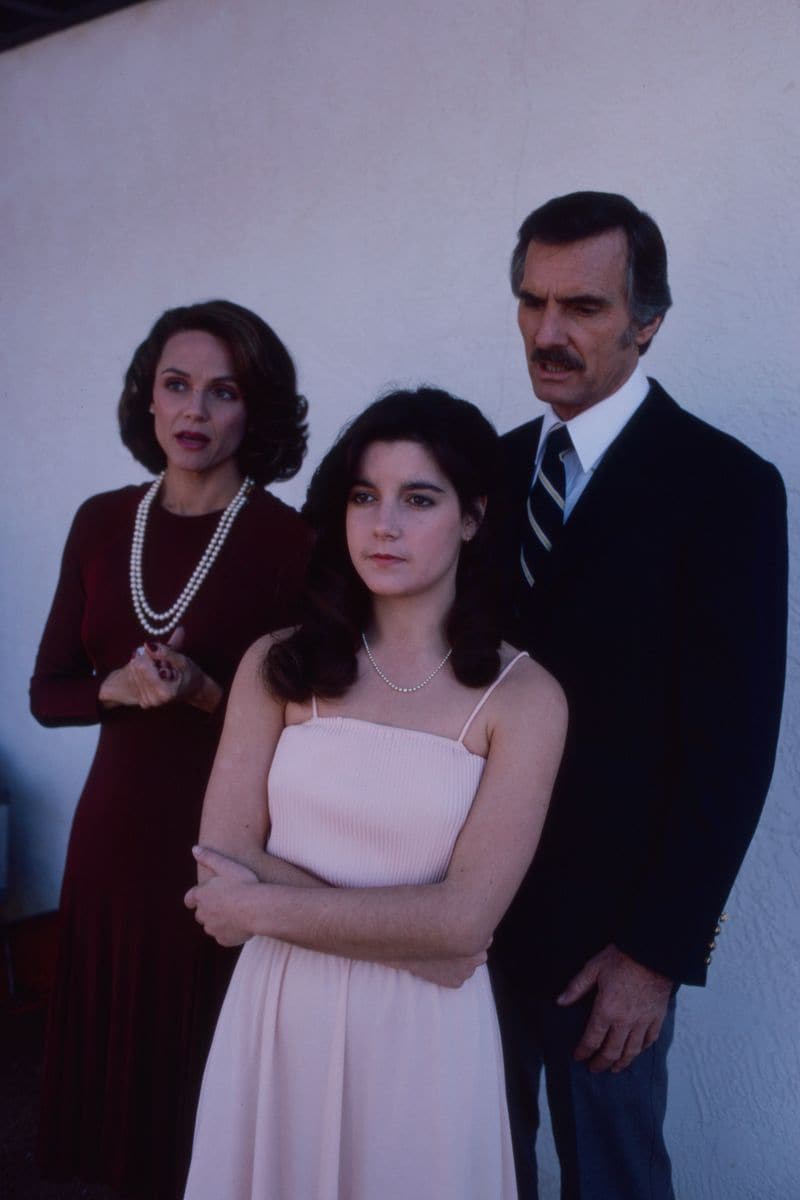
Dominique Dunne (October 30, 1982)
 © Walt Disney Television Photo Arc
Dominique Dunne, known for her role as Dana Freeling in Poltergeist, was only 22 when she was strangled by her ex-boyfriend, John Thomas Sweeney, outside her West Hollywood home. Her murder forced a rare, uncomfortable conversation about domestic violence in Hollywood at the time. The jury acquitted Sweeney of second-degree murder but found him guilty of the lesser charge of voluntary manslaughter. He was only sentenced to six years in prison. The light sentence was an example of how violence against women is often minimized.
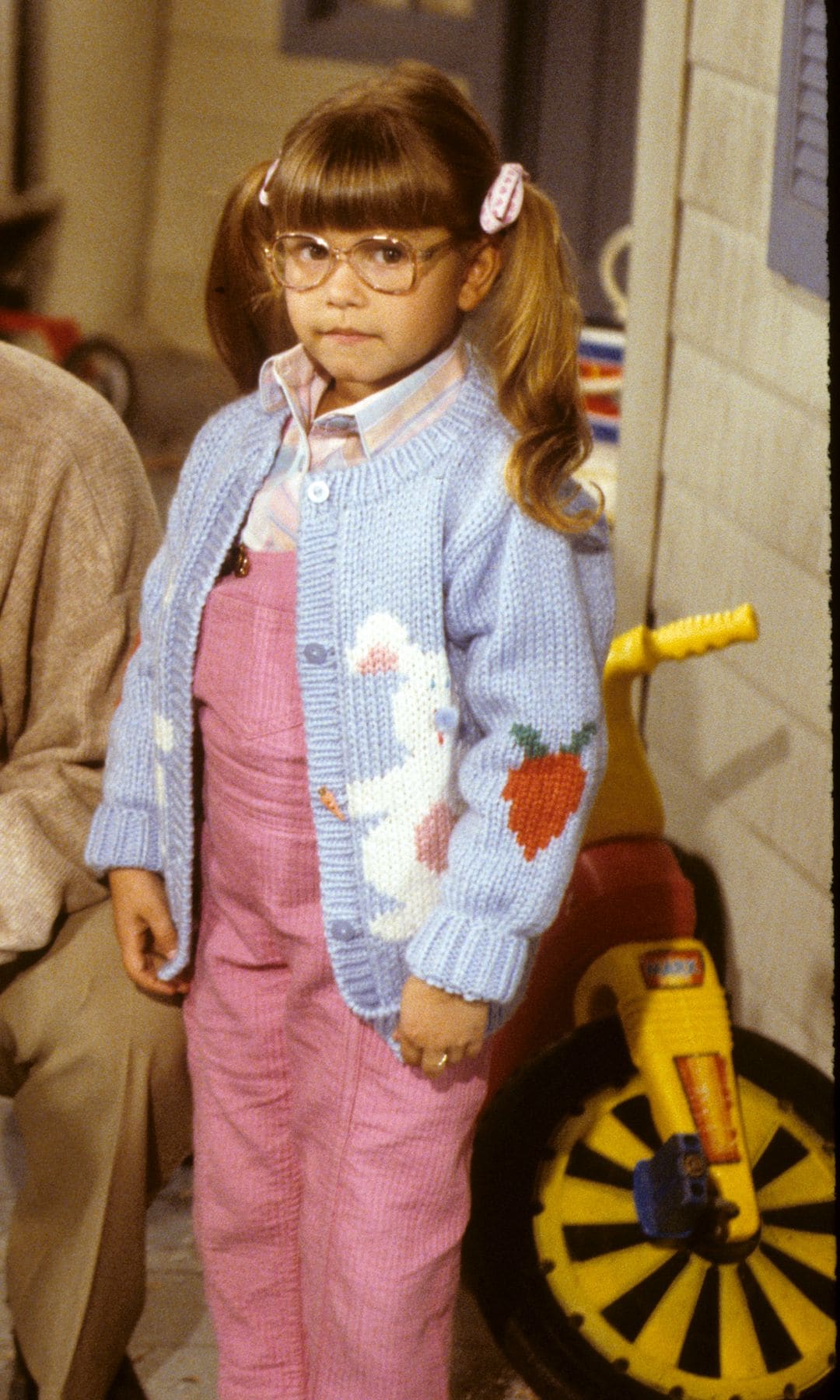
Judith Barsi (July 28, 1988)
 © ABC Photo Archives
Judith Barsi was a 10-year-old child actor known for The Land Before Time and All Dogs Go to Heaven. She and her mother, Maria, were killed by her father, József Barsi, who then took his own life. There were warning signs, and an investigation was even opened up with child protective services. Judith herself told friends she was afraid to go home because her dad wanted to kill her mom. The case is another tragic example of how domestic violence and child abuse can slip through the cracks of the system.
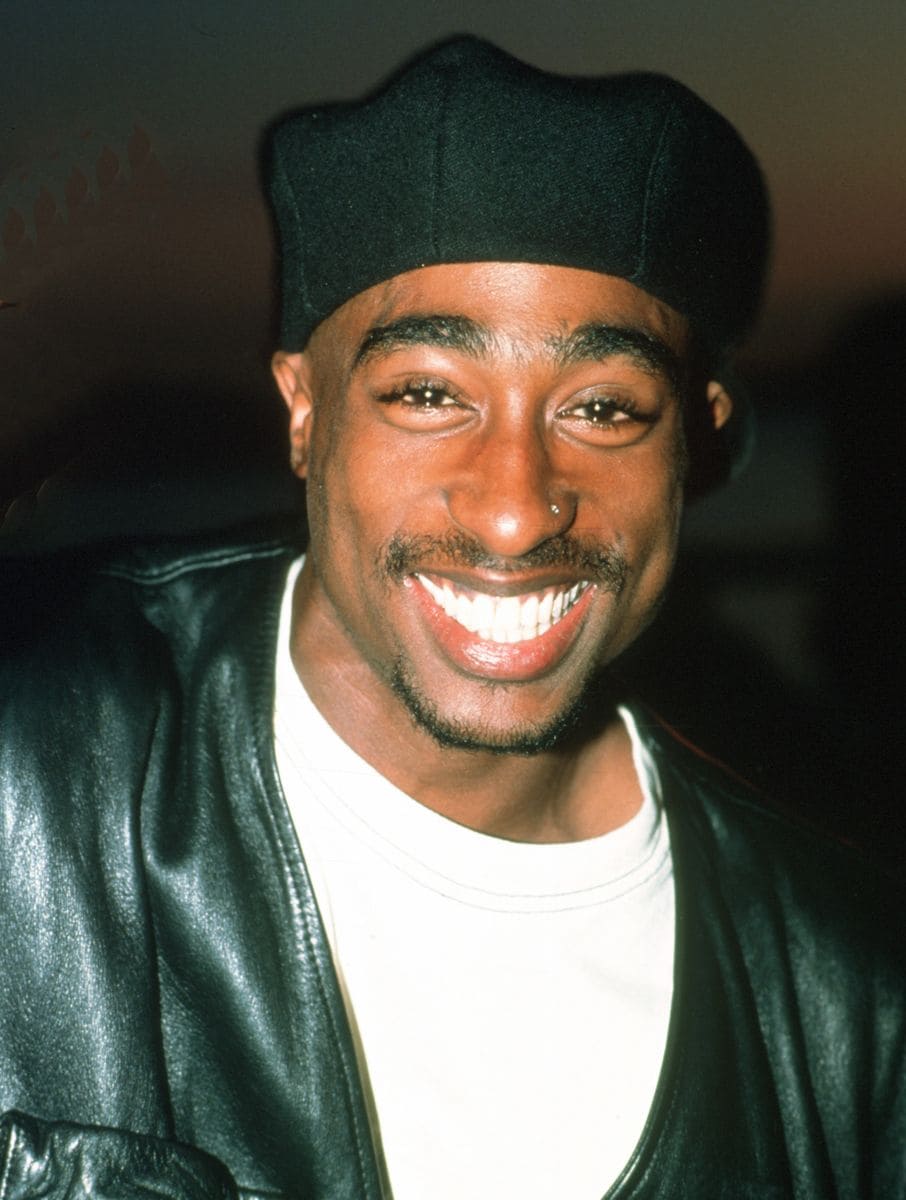
Tupac Shakur (September 7, 1996)
 © Getty
Still one of the most mourned celebrities, rapper, actor, and activist Tupac Shakur died when he was only 25 after being shot in a drive-by shooting in Las Vegas. His murder remains unsolved and has been riddled with conspiracies and ideas, with people pointing fingers at rivals like Biggie and Diddy. His death and the narratives surrounding it are proof that the industry thrives on conflict, racialized narratives, and sensation.
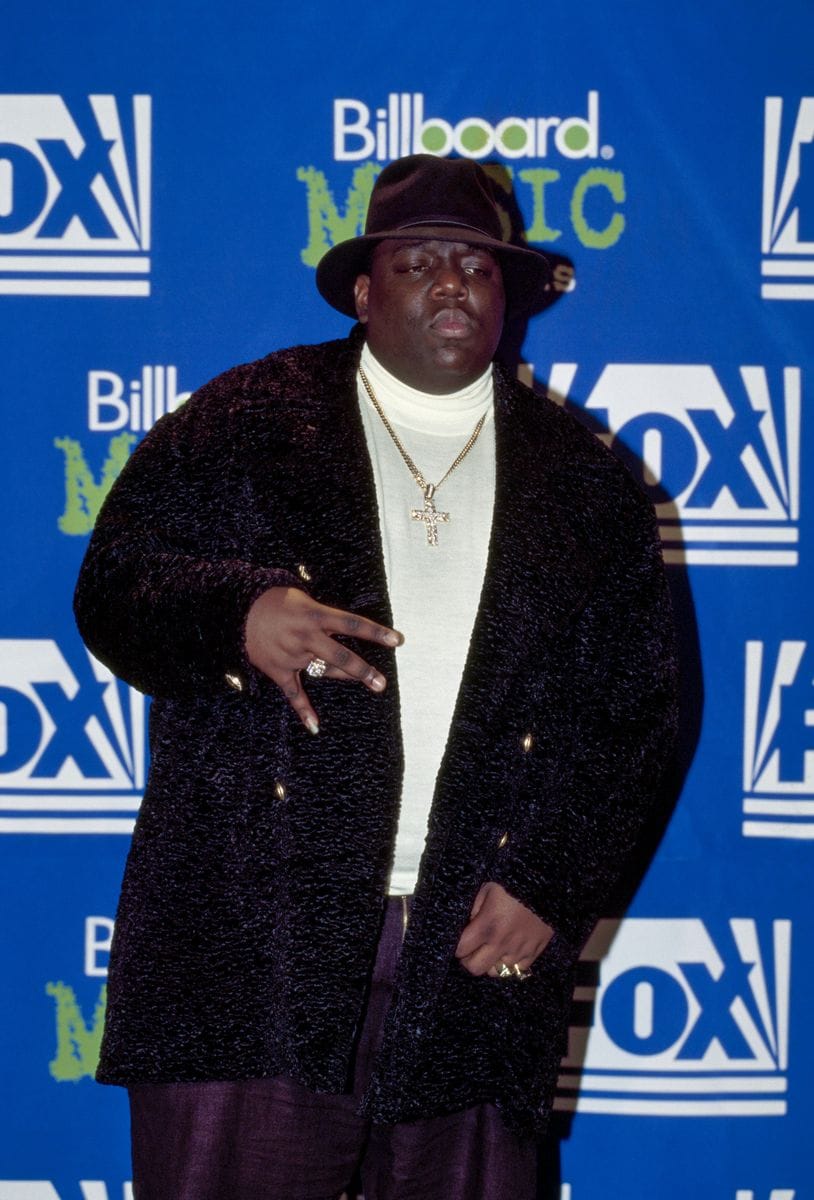
The Notorious B.I.G. (March 9, 1997)
 © Getty
Christopher Wallace, known as The Notorious B.I.G., was murdered in a drive-by shooting in Los Angeles at 24, just six months after Tupac. His death, also unsolved, was a surreal moment, forever cementing a time when hip-hop’s biggest stars were lost in real-world violence. Together, their murders exposed how blurred the lines became when "rap beef" and "lyrical battles" became battlefields on the streets.
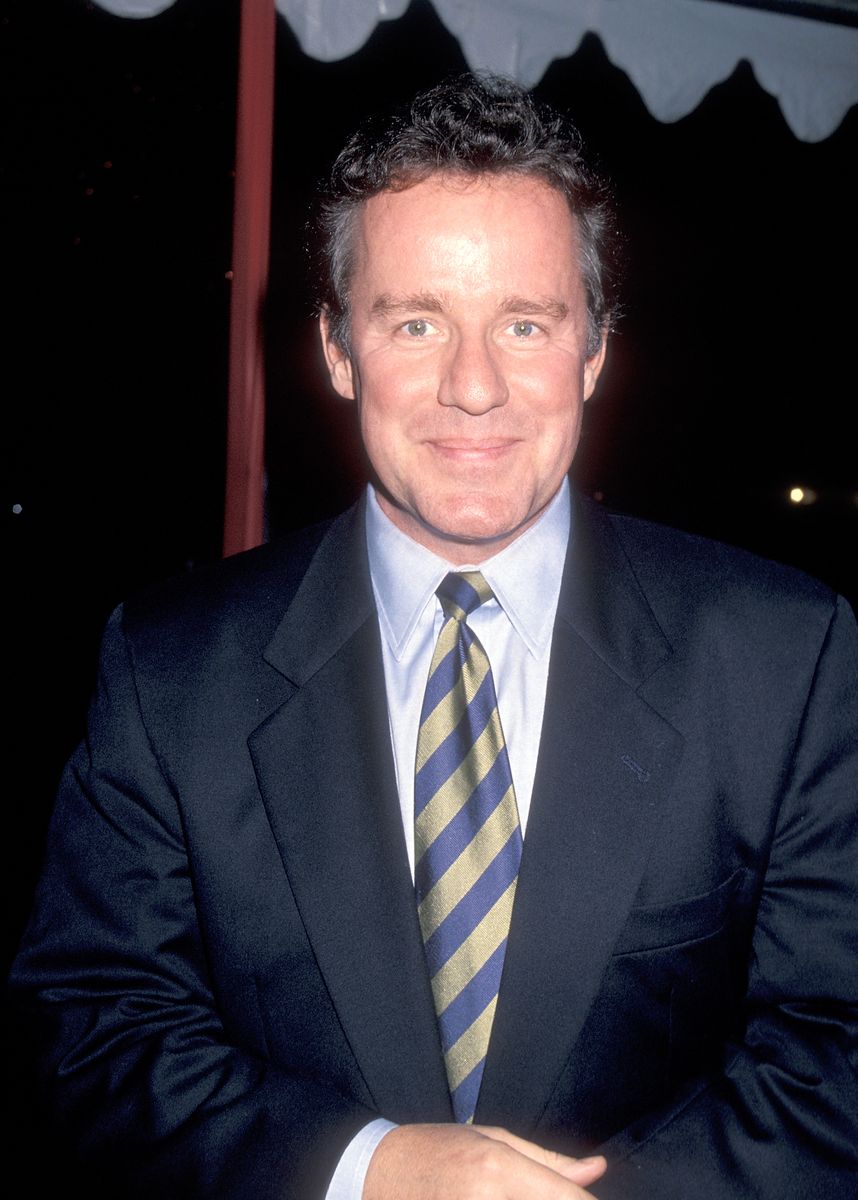
Phil Hartman (May 28, 1998)
 © Getty
Comedian and actor Phil Hartman is known for his work on Saturday Night Live and Pee Wee's Playhouse. In 1998, when he was only 49, he was shot and killed by his wife, Brynn, while he was sleeping in bed. She then died by suicide. The tragedy highlighted untreated mental illness, substance abuse, and gun access, and was another example of violence that can take place in private, within the family.
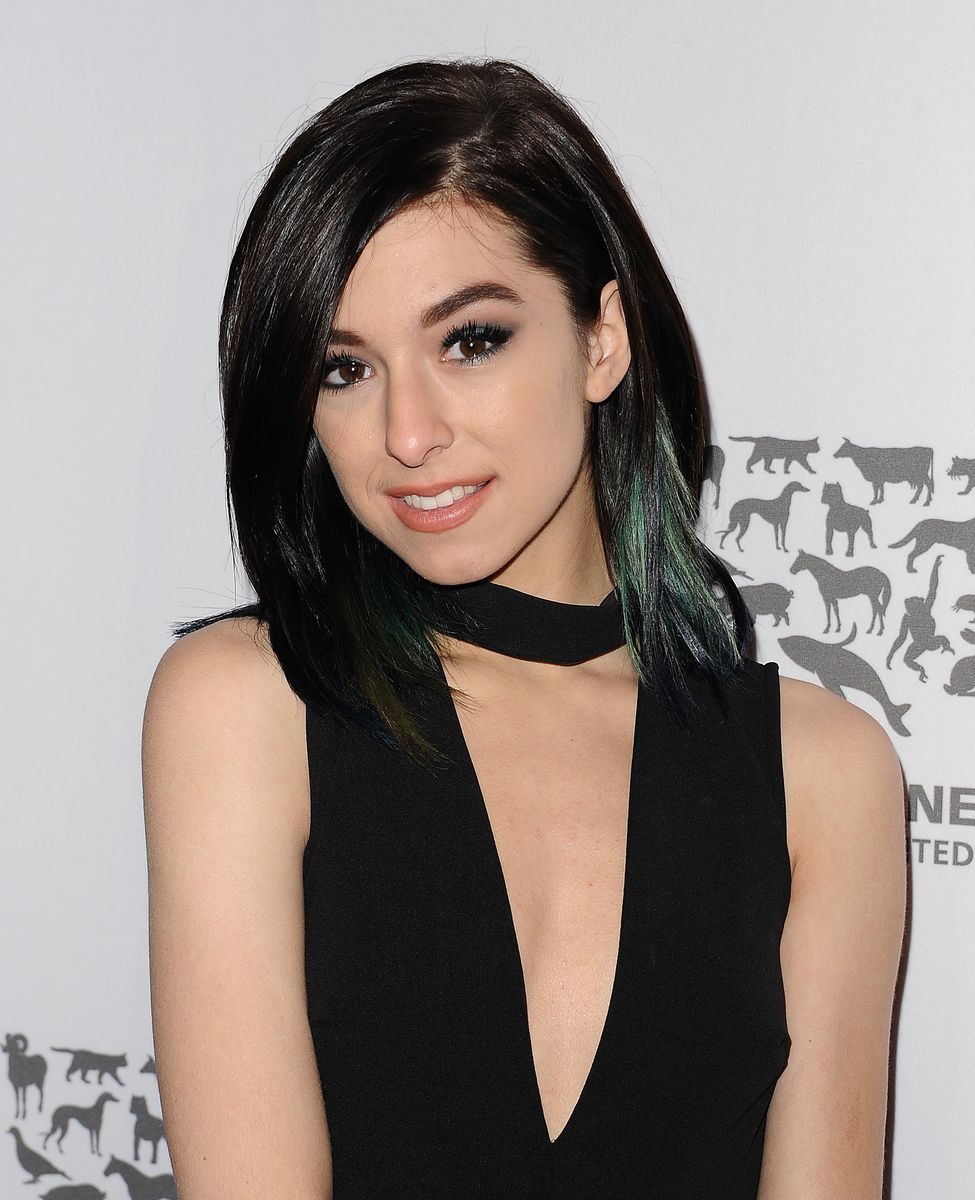
Christina Grimmie (June 10, 2016)
 © Getty
Singer and YouTube star Christina Grimmie was shot point-blank 3 times and killed by Kevin James Loibl after a concert meet-and-greet in Orlando, Florida. She was 22. Her brother was selling merchandise nearby when it happened and tackled Loibl. After the gunman broke free, he shot himself. Her death raised questions about fan access, parasocial relationships, and security, with people flabbergasted at how security did not notice he had two guns.
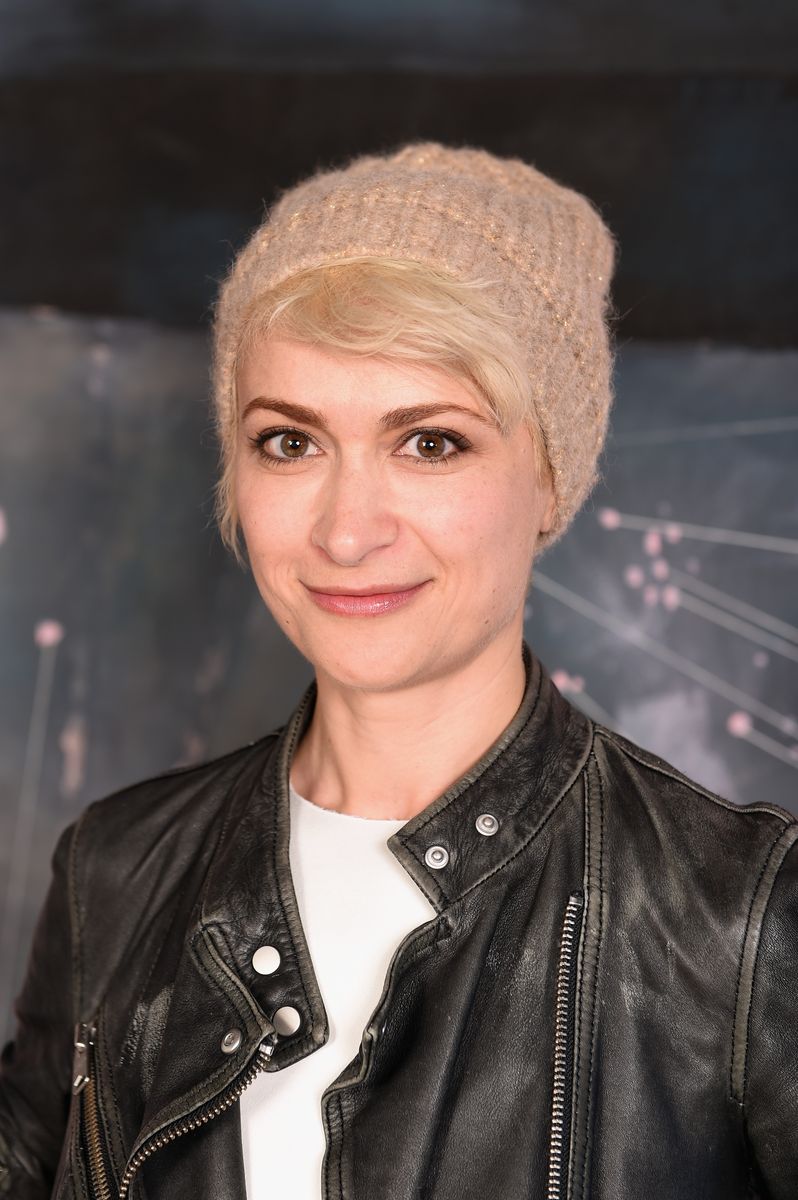
Halyna Hutchins (October 21, 2021)
 © Getty
Cinematographer Halyna Hutchins was killed on the set of Rust when actor and producer Alec Baldwin accidentally fired a bullet from a firearm he thought was loaded with dummy rounds. She was 42. In 2023, Baldwin and Rust armorer Hannah Gutierrez-Reed were charged with involuntary manslaughter, while assistant director David Halls pleaded guilty to negligent use of a deadly weapon. Charges against Baldwin were briefly dropped, then reinstated in 2024 before being dismissed with prejudice after a judge ruled prosecutors had withheld key evidence. Gutierrez-Reed was convicted in March 2024 and served time in prison. Though it isn't considered a murder in the traditional sense, the tragedy sparked conversations about on-set safety and the use of real firearms in productions.