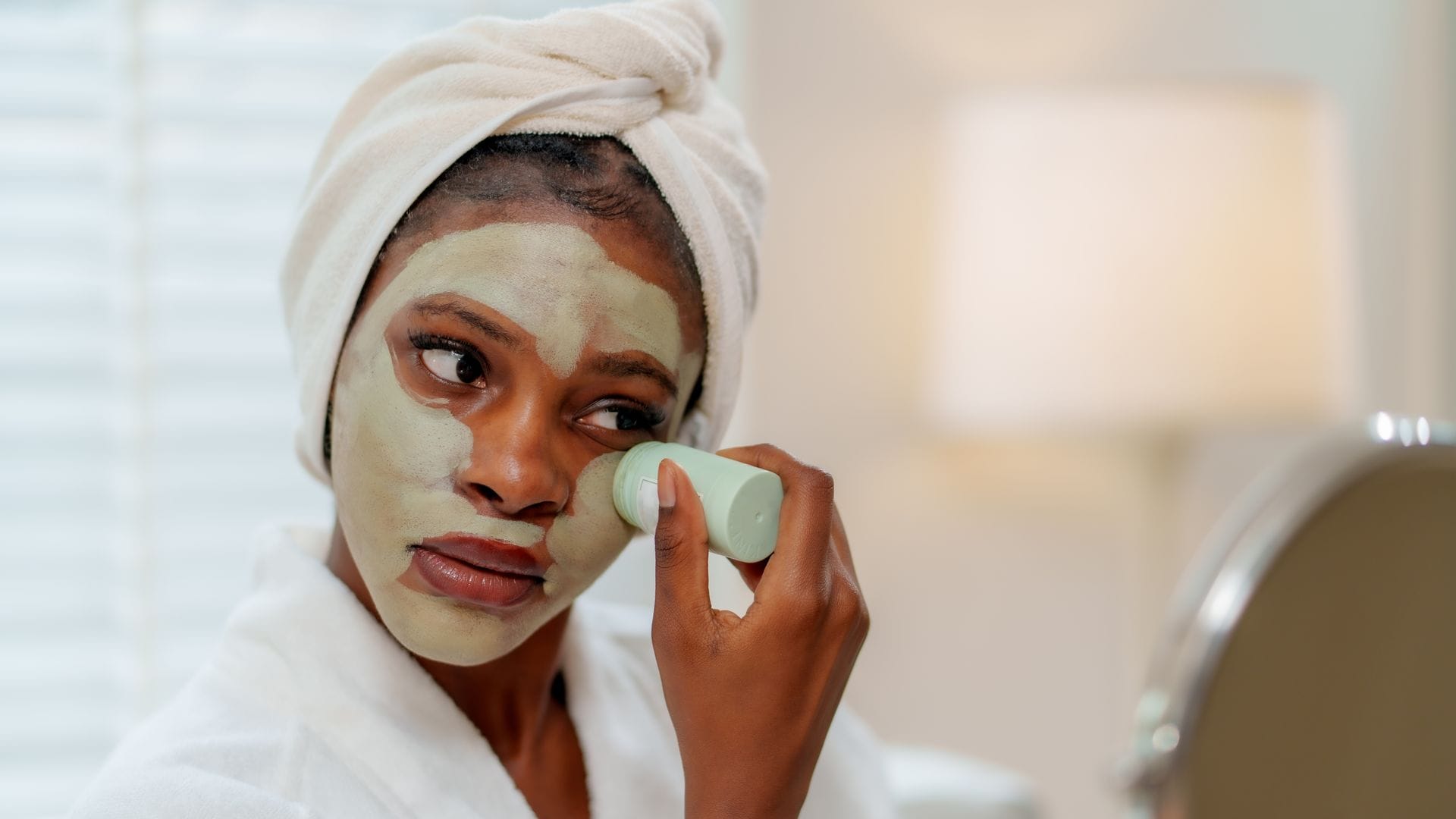
TikTok loves a dramatic reveal. The Green Tea Mask Blackhead Remover Deep Pore Cleansing Clay Stick shot to fame after creators posted close-up clips of what looked like blackheads popping out like confetti. The product itself reads like a dream. Smooth texture. Easy glide. Suitable for all skin types. Portable enough to swipe on in the back seat of an Uber. Fans say it makes masking on the move effortless.
Its ingredient list leans into the wholesome vibe. Green tea extract to balance oil and water, kaolin clay to mop up excess sebum, and antioxidant support to polish skin and leave it looking fresher than your morning iced matcha. The marketing is snappy. The visuals are dramatic. The results are… well, dermatologists have thoughts.
 © Getty Images
What Experts Say About Those Viral Blackhead Clips
Here is where the science pulls up a chair. Board-certified dermatologist Dr. Shamsa Kanwal has treated enough skin to spot a good routine from a trendy detour. Her take on the viral videos trims away the hype. “When I watch the viral green mask blackhead videos, I see more marketing than dermatology. Often the dramatic clips of blackheads coming out are just product residue or sebaceous filaments from the very top of the pore, not deep extractions. At best, these masks can give a short term mattifying or pore blurring effect. I worry that they set very unrealistic expectations and encourage people to scrub or mask too aggressively when results are not as dramatic at home.”
Her concern is not that masks are evil. It is that people go against their skin as it has wronged them. Used gently, she explains, clay masks can absorb surface oil. Used too often, especially alongside strong actives, they can disrupt the skin’s barrier. That is your natural defense system. When irritated, it can trigger redness, dryness, and in acne-prone skin, even more inflammation.
The moment a product swears it will pull out every blackhead in minutes, her alarm bells sing.
Dr. David Johnson Breaks Down the Biology Behind Blackheads
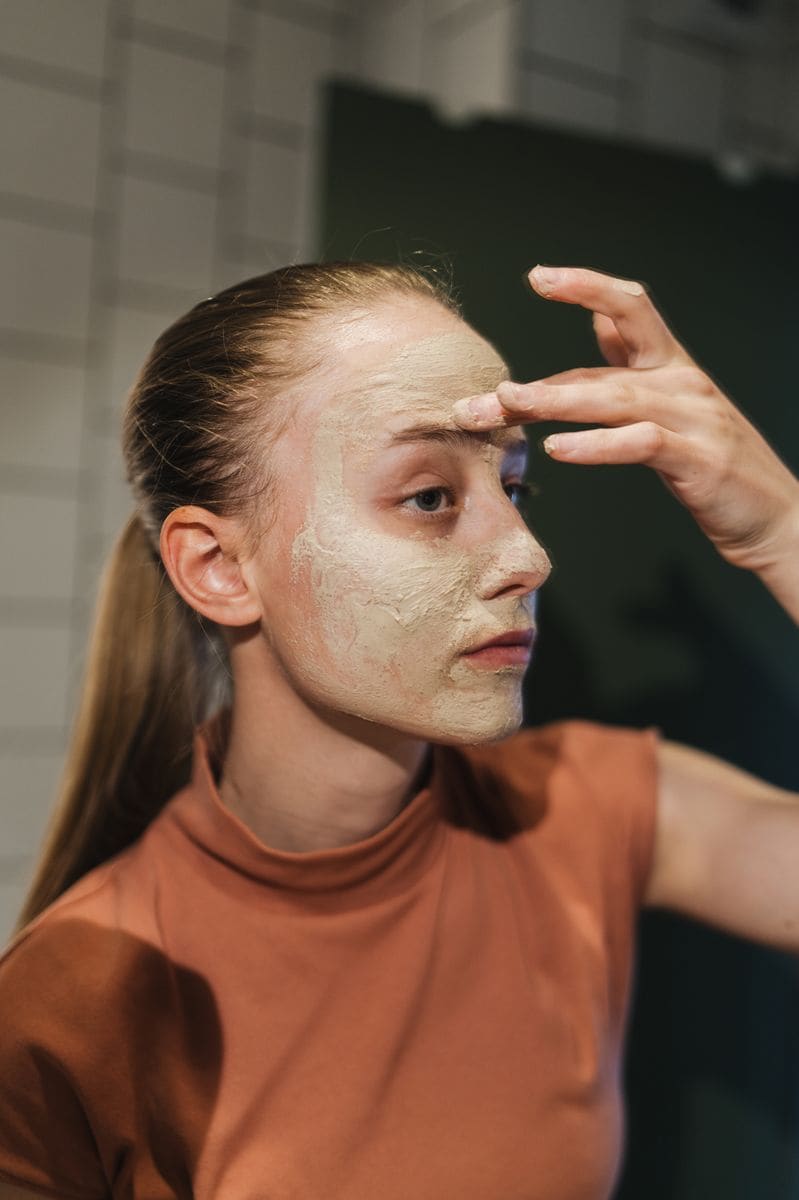
Dermatologist Dr. David Johnson, co-founder of RedliteX, has a similar perspective grounded in the physics of pores. “Blackheads occur because a pore becomes filled with oil, or sebum, as well as dead skin cells. A mask that can be peeled off may help clean surface dirt, but it will not be able to get into the pores and eliminate blackheads.”
He has seen patients come in genuinely thrilled, believing a miracle mask cleared their skin. What the mask actually removed were tiny hairs and loose flakes. The real blackheads were still hanging out like unbothered houseguests.
 © Getty Images
He also confirms what many barrier-loving skincare fans already fear. Harsh peeling formulas can irritate or damage the stratum corneum, the outer layer of skin. Once that layer is compromised, moisture escapes, irritation climbs, and the skin can feel tight, itchy, and overly sensitive.
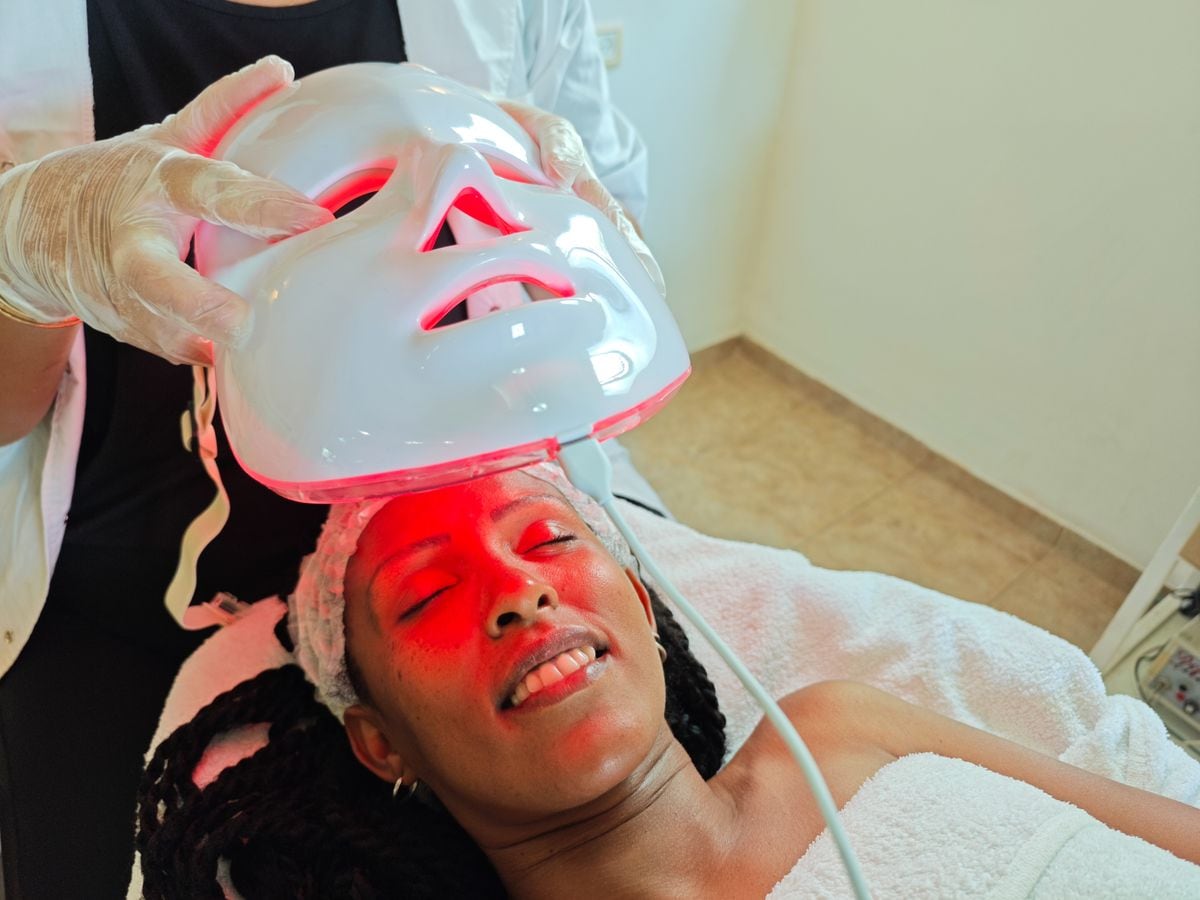
His go-to blackhead fix is refreshingly boring but scientifically sound. Salicylic acid. Retinoids. Gentle exfoliation. Consistency wins every time. As for his specialty, red light therapy, it does not yank out blackheads. It helps reduce inflammation and supports skin healing, acting like a calming reset button.
 © Getty Images
So, Is the Green Tea Mask Stick Useless?
Not at all. It can offer a temporary smoother look thanks to clay’s oil-absorbing powers. The trouble starts when unrealistic expectations set in. No clay stick can suck out deep blackheads. No mask can erase congestion instantly. And anything promising overnight miracles usually belongs in a fantasy novel.
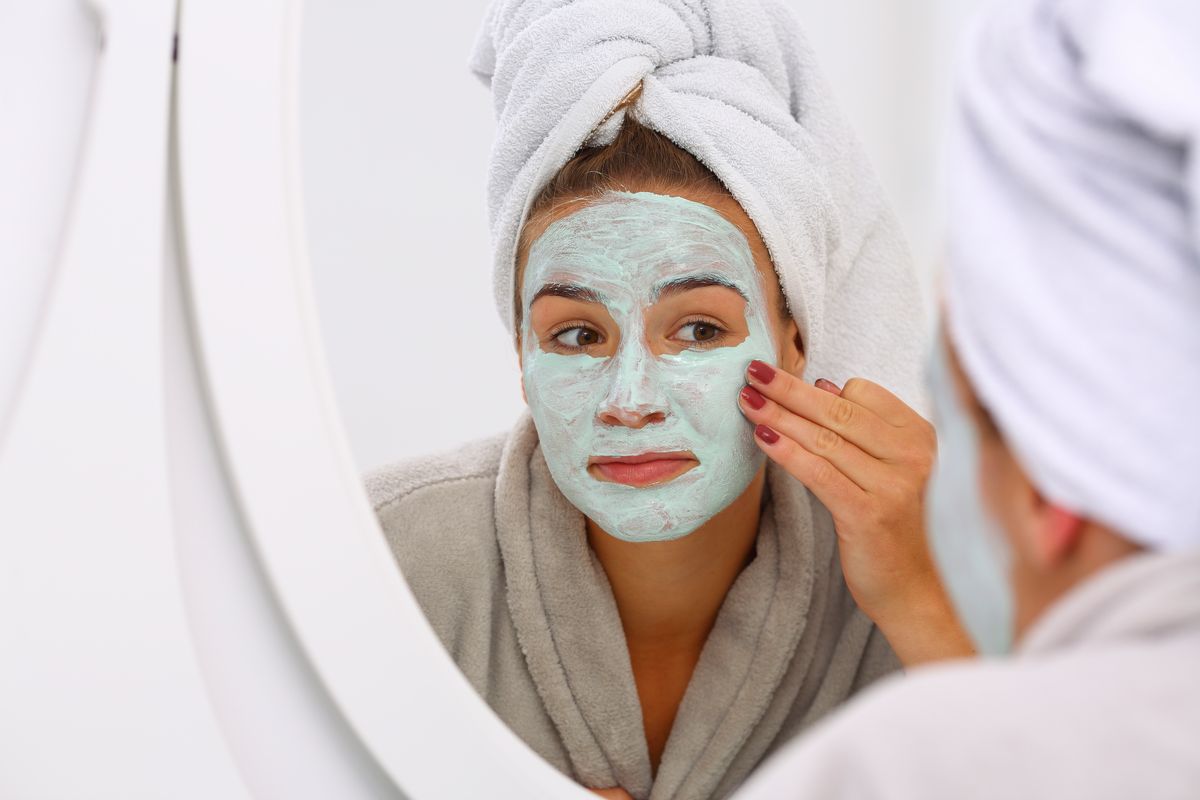
Treat the viral stick like a fun add-on, not a cure-all. Use it sparingly. Keep your routine gentle. Pair trendy products with tried and true ingredients that have stood the test of clinical research.
 © Getty Images
Both dermatologists come back to one universal truth. Healthy skin grows from consistency, patience, and barrier respect. Not internet stunts. Skin thrives when we treat it like a living organ, not a polishing challenge. The next time a product claims it can pull out every blackhead in minutes, enjoy the spectacle. Then reach for your salicylic acid.