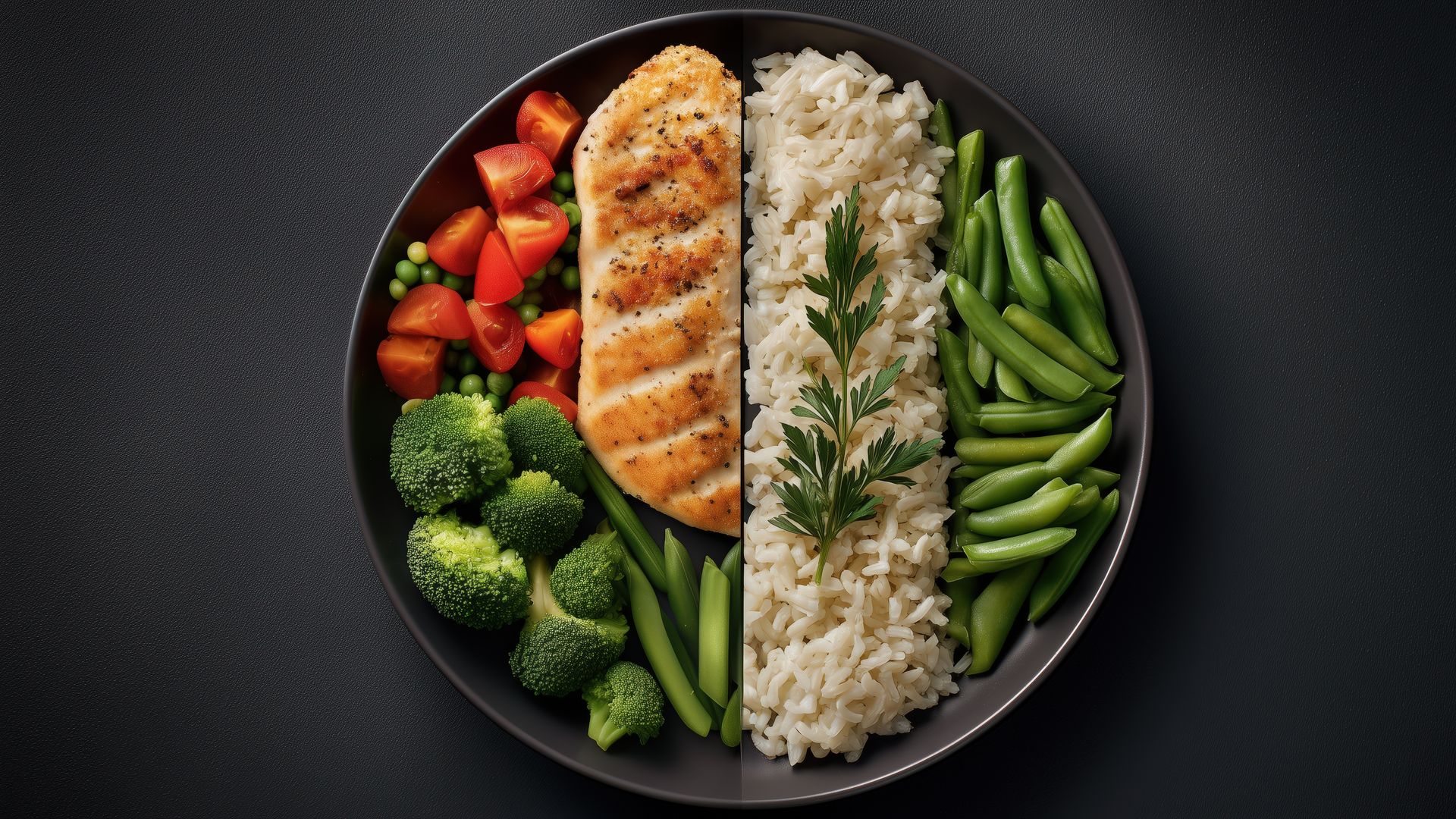
If 2026 is the year you’ve decided to improve your diet, train for a marathon, or simply commit to better habits, the best place to start is by prioritizing anti-inflammatory foods that support digestive and overall health.
The key is not drastic restrictions or viral fad diets, but balance, and that’s exactly what the 40-30-30 method provides.
Recommended by nutrition experts, this formula helps you structure your meals to reach a healthy weight while feeling energized and satisfied. According to Natalia Quintero, nutritionist and specialist in supplementation and sports nutrition, an ideal plate should include:
- 40% carbohydrates
- 30% protein
- 30% healthy fats
This simplified proportion is based on the World Health Organization (WHO) guidelines (which recommend 12–15% protein, 50–60% carbohydrates, and 25–30% fats), but Quintero’s version makes it much easier to visualize and apply in day-to-day life. However, she notes that many people still make common mistakes when trying to “eat healthy.”
Common mistakes people make when eating healthy
“In my professional experience, I frequently see errors in what people believe is ‘healthy eating,’” says Quintero. “These tend to be unbalanced diets, often with excessive or insufficient protein, and overconsumption or underconsumption of fruits and vegetables.”
Another major issue is the high intake of ultra-processed foods, which she says noticeably affects overall well-being. These habits often come from a lack of time, making quick, low-nutrient meals more appealing, as well as insufficient hydration and limited physical activity.
For many people, dinner becomes the biggest challenge. After a long day, it’s easy to lose track of portion distribution. To maintain balance, Quintero recommends the following structure:
- 40% carbohydrates: vegetables plus a small portion of fruit or whole grains Example: 1.4 oz of whole-grain bread
- 30% protein: chicken breast, fish, eggs, or plant-based options like tofu
- 30% healthy fats: small amounts of oils or dressings, such as olive oil, or a handful of nuts
Why experts recommend this type of meal organization
Marina Domene, head of the Nutrition Department at SHA Spain, explains why this framework works:
Carbohydrates
They should represent the largest portion of your macronutrient intake because they’re the body’s primary energy source. They can be starch-based (sweet potato, rice, whole grains) or fiber-rich (vegetables). Domene recommends eating vegetables as the base of lunch and dinner, complemented with a portion of whole grains or other quality carbohydrates.
Fats
Healthy fats are essential, they provide energy and support cellular function and hormone balance. She recommends including small portions of:
- Olive oil
- Nuts
- Seeds
- Avocado
And avoiding hydrogenated or overly processed fats, which increase cardiovascular risk.
Proteins
Protein plays multiple roles in the body, from muscle repair to immune function. Domene suggests including a protein source at every meal, alternating between animal and plant options such as legumes.
Do you need to follow the 40-30-30 rule at every meal?
“Absolutely not,” says Dr. Amaya Manrique from The Beauty Concept. What matters most is overall balance, across the day or even the entire week. If one meal is not perfectly proportioned, nothing bad happens.
And yes, you can eat carbs at night.
“The myth surrounding meal timing is exhausting and creates unnecessary confusion,” she explains. “What truly matters is your total caloric intake and the correct distribution of macronutrients, not the hour you eat them.”
Manrique also highlights that some studies show that consuming carbohydrates at dinner can increase satiety and improve metabolic markers, as long as they are high-quality carbohydrates such as whole grains or vegetables rich in resistant starch.
Personalization is key
While WHO recommendations provide a solid foundation for a healthy body, experts agree that diet must be personalized. Each person has unique needs depending on lifestyle, activity level, metabolic health, and medical history.
One practical tool to help visualize balanced meals is the Harvard Healthy Plate, a simple illustration that helps structure portions and maintain a nutritious eating pattern without complicated calculations.