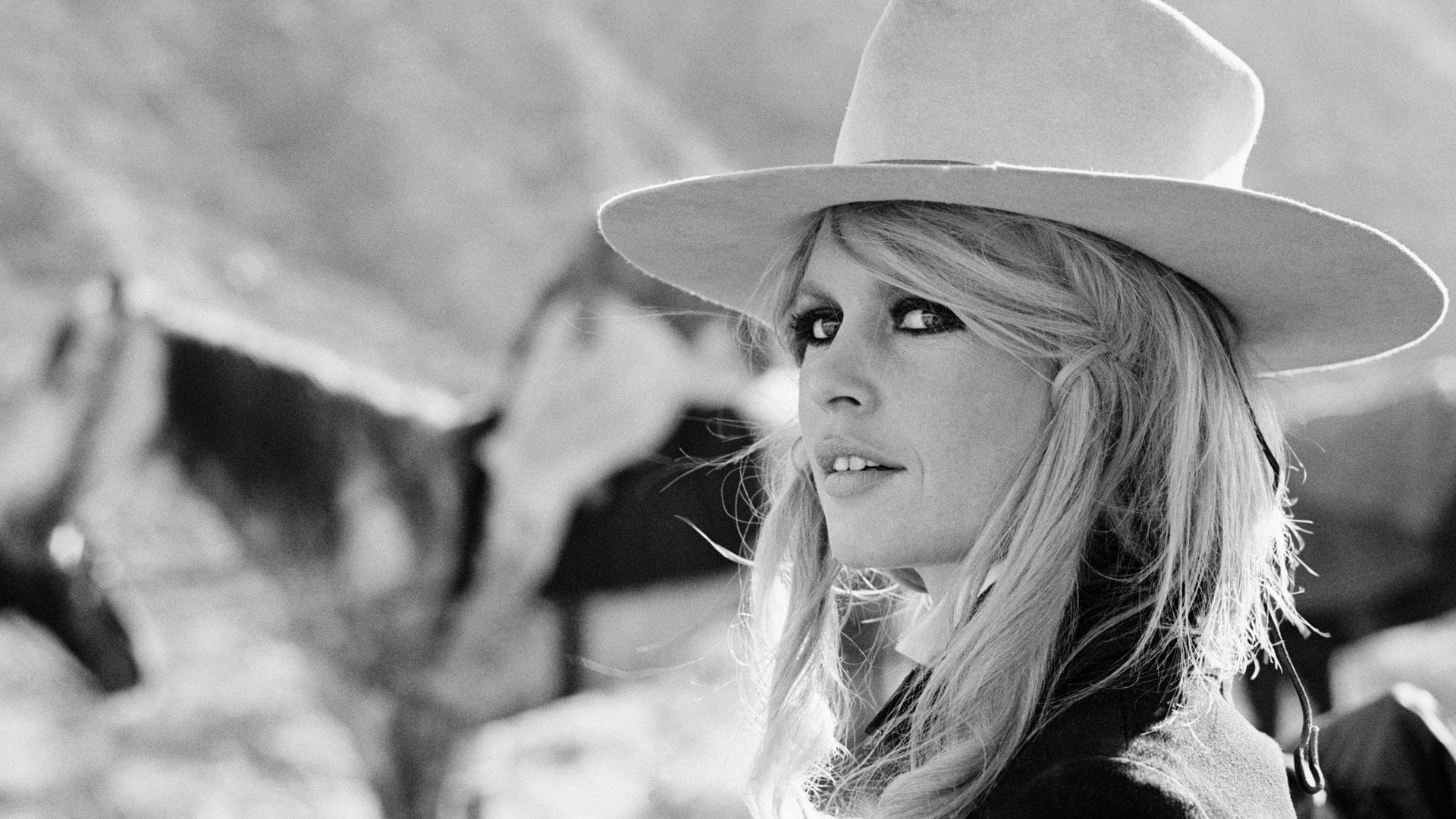
A star has gone out. The legendary French actress, Brigitte Bardot, has died at the age of 91, according to a statement released this Sunday by the foundation that bears her name. “The Brigitte Bardot Foundation announces with immense sadness the passing of its founder and president, Mrs. Brigitte Bardot, the internationally renowned actress and singer, who chose to leave behind her prestigious career in order to devote her life and energy to the defense of animals and to her Foundation,” the organization said, without specifying the exact date or place of her death.
At the end of last September, the actress was hospitalized after requiring minor surgery. The procedure became complicated, and she remained at Saint-Jean Hospital in Toulon for two weeks. Bardot herself was forced to deny rumors claiming she had died. After she was able to return home, Le Figaro confirmed she had undergone surgery for a “serious illness.” Bardot insisted she was doing well and had no intention of “leaving anytime soon." “I don’t know who the idiot is who spread the false news of my death tonight,” she wrote on social media, pushing back against reports of her supposed passing.
An international icon
Brigitte Anne-Marie Bardot was born on September 28, 1934, in Paris, into an upper-middle-class family. As a child, she trained in classical ballet, though fate had a far more luminous stage in mind: the movies. At 18, she made her film debut in Le Trou Normand, and soon after starred in the film that would catapult her to global fame, And God Created Woman (1956), directed by Roger Vadim, her husband at the time. The movie made her an international icon and the era’s ultimate sex symbol.
Other of her defining roles included Contempt (1963), directed by Jean-Luc Godard, which cemented her standing in the French New Wave; The Legend of Frenchie King (1971), which she filmed in Spain alongside Claudia Cardinale; and many more established her as an actress with unmistakable style and presence.
Without ever trying, Bardot helped popularize the bikini, the off-the-shoulder neckline that now bears her name (the “Bardot neckline”), bold eyeliner, and the curtain bangs that framed her face so perfectly.
She could step out in nothing more than ballet flats and a messy topknot and still command every gaze in the room. And beyond her undeniable beauty, she became a woman who valued her freedom above all else; to her, it meant the power to choose.
A turbulent personal life
Later, she married Jacques Charrier while pregnant with her first—and only—child, Nicolas-Jacques Charrier, who was born on January 11, 1960. Their relationship grew strained when Charrier was drafted to fight in the Algerian War. Not long after, Bardot closed that chapter and chose to begin a new life.
Then came billionaire financier Gunter Sachs. Their romance quickly turned into a whirlwind marriage; within just over a month, they were wed in a secret ceremony in Las Vegas. But infidelity on both sides meant the union barely lasted; the marriage ended in 1969.
In 1992, she married for the fourth and final time. Her last husband was Bernard d’Ormale, a former advisor to France’s far-right party, whom she met at a traditional French dinner. With him, Bardot lived quietly in recent decades, sheltered in her estate in the south of France, away from the spotlight and making only rare public appearances. For years, animals were her greatest concern; she kept hundreds in her home, and defending them became central to her worldview.
Early retirement and a life devoted to animals
In 1973, Bardot stepped away from the entertainment world. But her retirement was never silent: she reinvented herself as a relentless animal rights activist. That same year, she founded the Brigitte Bardot Foundation (Fondation Brigitte Bardot pour la protection et le bien-être des animaux), which she created to expose animal cruelty, including hunting, the fur trade, pet abandonment, and more.
Her campaign against seal hunting, especially the practice of skinning seals while they were still alive, sparked major media attention and even led to diplomatic pressure.
Legacy and relevance today
Throughout her life, Bardot graced magazine covers that remain vivid reminders of her wild, captivating spirit. Though she retired from film, her image never faded: her silhouette continues to inspire fashion, art, and culture to this day. In 2025, she made headlines again for giving a televised interview after more than a decade without speaking publicly, reflecting on feminism, her life, her activism, and the years behind her.
With her magnetic beauty, sensual style, and fiercely independent attitude, Bardot was one of the great muses of French cinema in the 1950s and ’60s, leaving an indelible mark on international pop culture.
Today, the world says goodbye, through flowers, memories, and tributes.