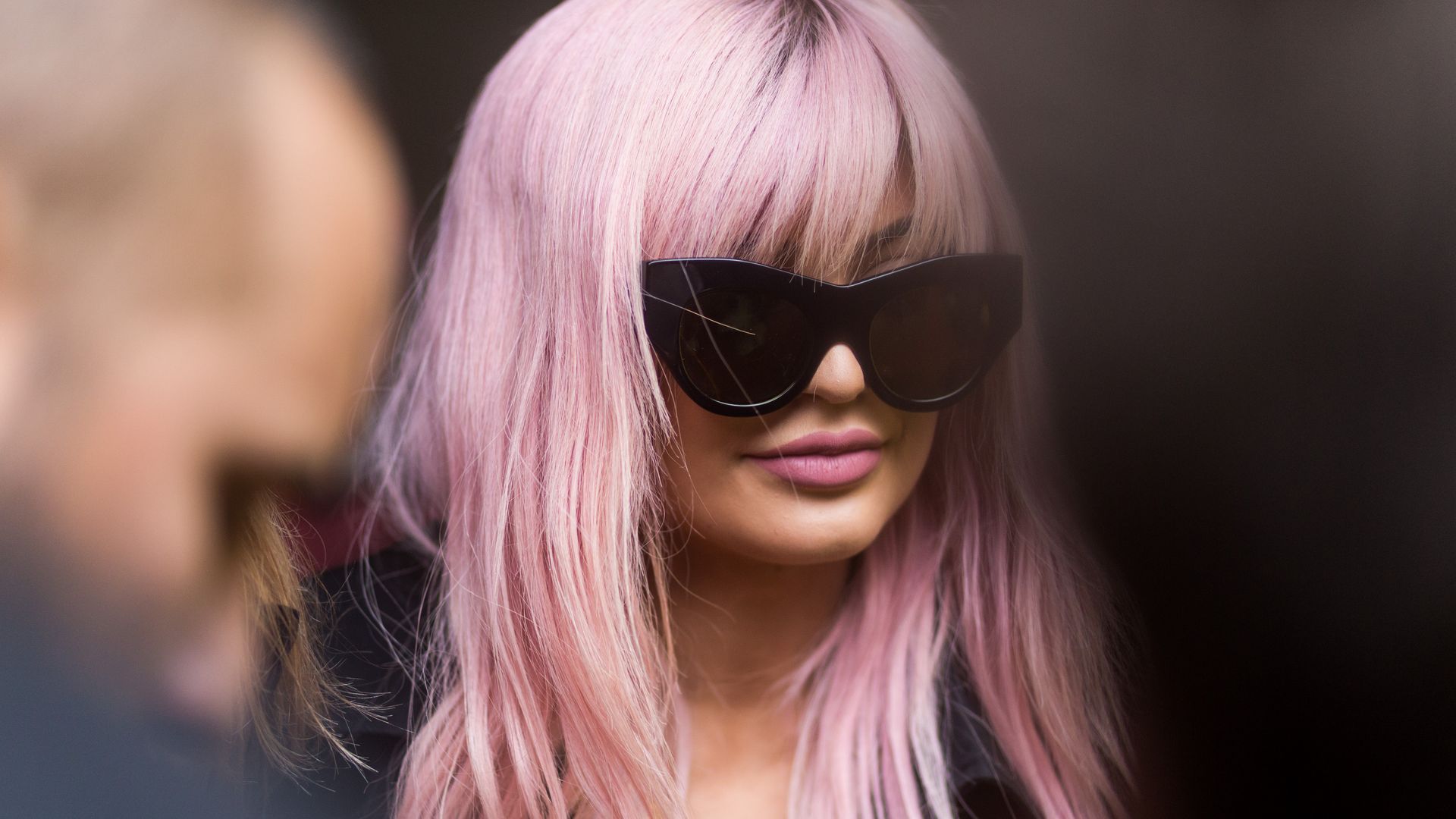
The mid-2010s revival is not a quiet little trend. It is everywhere. Scroll TikTok, walk through a mall, open a beauty app, and you will see it clearly. Choker necklaces are back. Matte lipstick is trending again. Warm orange eyeshadow has replaced the soft neutral looks of the early 2020s. Millennials and Gen Z are not casually referencing 2016. They are fully rebuilding it.
This cultural moment has a name in pop culture circles. Many call it the 2016 aesthetic revival. Others frame it as the return of mid-2010s fashion and beauty. Whatever label you choose, the effect is obvious. The era that gave us Kylie Jenner Lip Kits, Snapchat dog filters, Vine stars, and Rihanna’s “ANTI” album is now the blueprint for how 2026 wants to feel.
Flashback to 2016: When Chokers, Contour, and Pop Hits Ruled
To understand why this comeback is so powerful, it helps to remember how specific 2016 actually was. Fashion leaned bold and slightly edgy. Black velvet chokers were everywhere. Leather pants, bomber jackets, oversized hoodies, and thigh-high boots filled Instagram feeds. Outfit culture was loud, not minimal.
Beauty was even louder. Contouring was a full-face ritual, inspired by Kim Kardashian’s behind-the-scenes makeup photos. Brows were thick, sharply defined, and unapologetically dramatic. The highlighter was blinding on purpose. Matte liquid lipstick dominated, fueled by Kylie Jenner’s Lip Kit drops that sold out in minutes and turned makeup launches into cultural events.
Music and pop culture felt just as electric. Rihanna’s “ANTI,” Beyoncé’s “Lemonade,” Drake’s “Views,” and Frank Ocean’s “Blonde” all landed in the same year, shaping playlists and social media timelines at once. Snapchat filters turned everyday selfies into playful cartoons.
Vine created viral stars in six seconds flat. Pokémon GO got millions of people outside chasing digital creatures together. Even the memes, from Damn Daniel to the Mannequin Challenge, felt like shared jokes rather than fragmented content bubbles.
From Lip Kits to Viral Culture: Why 2016 Became a Pop Culture Landmark
What made 2016 special was not just the trends. It was the way pop culture moved. Social media still felt communal. One viral moment could reach everyone, whether it was Chewbacca Mom laughing in her car or the internet turning a gorilla named Harambe into a strange digital folk hero.
Influencer culture was also in a very different phase. James Charles becoming the first male CoverGirl ambassador in 2016 felt groundbreaking. YouTube beauty gurus and Vine comedians were crossing into mainstream celebrity for the first time. Being internet famous felt experimental and fun, not hyper-corporate. That sense of discovery is exactly what the latest generations are trying to bring back now.
Why Gen Z Is Obsessed With 2016
For Gen Z, 2016 is not just a fashion reference. It is an emotional memory. Older Gen Z was just stepping into adulthood. Younger Gen Z was discovering social media and pop culture for the first time. It represents a shared moment before lockdowns, before endless crisis headlines, before digital life became exhausting.
The pandemic changed how young people see time. Anything that feels pre-2020 now carries emotional weight. 2016 sits in that sweet spot where technology was exciting but not overwhelming, where online life felt playful rather than stressful.
2016 vs 2026: Same Energy, Very Different World
Back in 2016, people joked that the year was cursed. What changed is perspective. 2026 is more complex. Technology moves faster. Online spaces are louder. Against that backdrop, the mid-2010s feel simple, even when they were not.
That is why 2026 keeps reaching for 2016. It is not about pretending the past was perfect. It is about reclaiming the joy, the creativity, and the sense that pop culture belonged to everyone.
The mid-2010s aesthetic is not just a trend. It is a way of saying that fun still matters. And that is how 2026 became the new 2016.