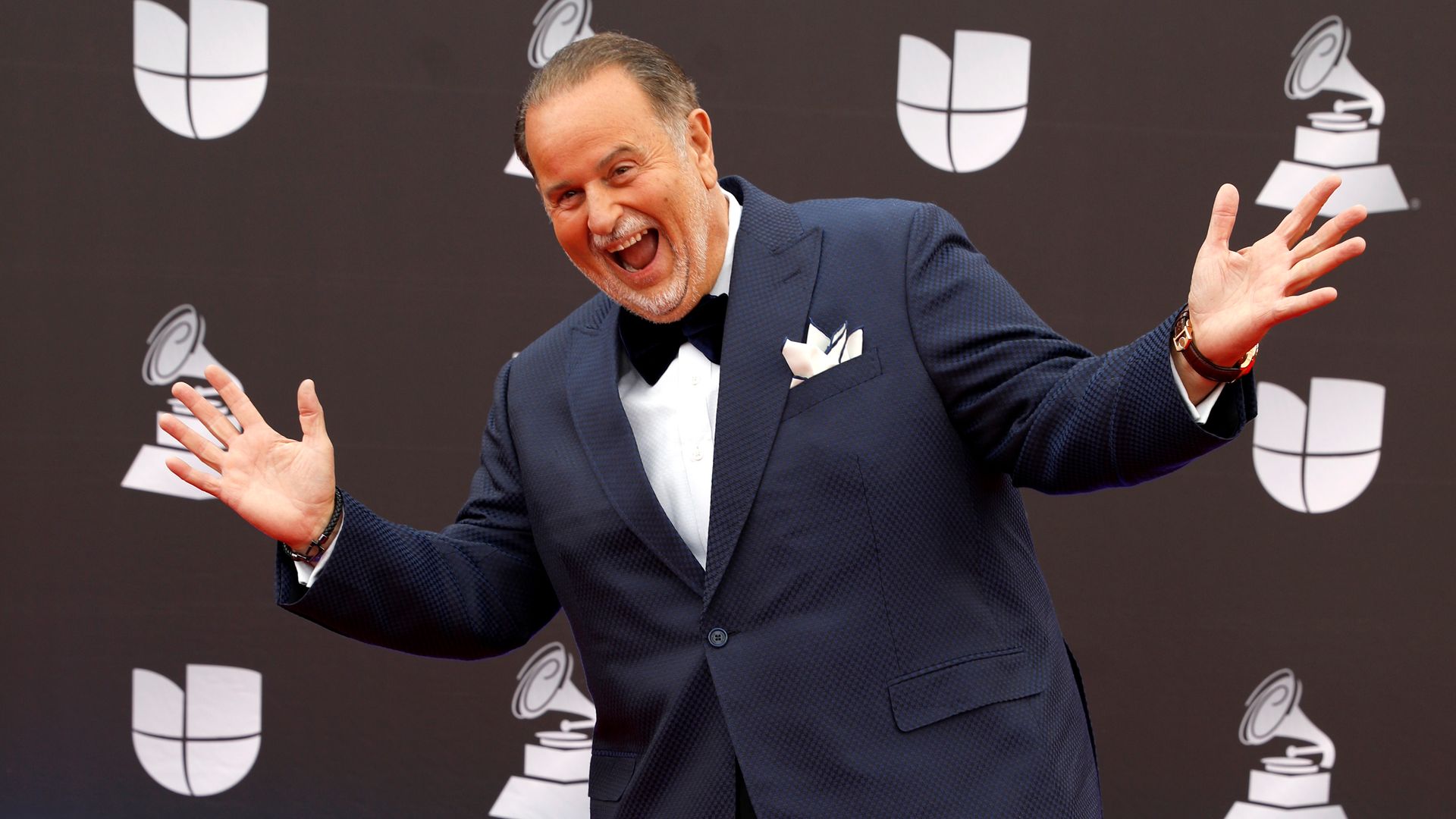
Raúl de Molina, the beloved host of “El Gordo y la Flaca,” has sparked a wave of controversy after being reportedly censored by CBS during the 2025 New Year's Eve countdown in Times Square. The incident, which quickly went viral, occurred when de Molina was asked by his co-host about his hopes for the year 2026. In response, he expressed a desire for improved conditions for immigrants in the United States.
However, before de Molina could elaborate on his statement, CBS abruptly cut off his response and switched to a commercial break. This moment of censorship has drawn significant attention, especially since the host has been a staple in the network's New Year's Eve coverage for over three decades.
De Molina, who has long been known for his candidness on a variety of issues, including those affecting the Latino community, has yet to address the incident on social media. He shared his well-wishes alongside photos of his experience. “Happy New Year! May 2026 bring you many good things. 30 years ringing in the New Year from the best place in the world, Times Square, New York. Tonight, @dianaross sang,” he wrote.
While his followers flooded his posts with messages of support, many praised him for speaking out on behalf of immigrants. “We all saw how they cut the camera when you were talking about the injustice against immigrants. Thank you for raising your voice for us,” a fan shared.
This incident has prompted an outpouring of solidarity from Latino communities and advocates for immigrant rights, with some even calling for a boycott of CBS. “Thank you for standing up for our people and showing us CBS doesn't stand with us #BoycottCBS,” another added. A third chimed in, saying: “El mejor!! From growing up and watching your show you have my respect for speaking up when artists like Romeo and Prince Royce stay silent.”
The act of censorship has raised questions about the limitations of free speech, especially when it comes to sensitive topics like immigration, and about how media networks handle issues that may not align with certain political or corporate interests.
For Raúl de Molina, this marks the first time in his long career that he has faced such restrictions, particularly on a subject as significant as immigration. His outspokenness has always been part of his appeal, and this alleged censorship seems to have only increased his support among his fans, who see him as a voice for the voiceless.
As the debate continues, many are left wondering what this means for the future of public discourse on issues like immigration in the United States. The incident highlights a broader trend where public figures, especially those of Latino descent, are often scrutinized or silenced when discussing matters of immigration, which remains a highly contentious issue in U.S. politics. Whether this moment of censorship will lead to lasting changes in how these topics are addressed in mainstream media remains to be seen.
For now, Raúl de Molina’s fans have made clear they support him, and they stand with the cause of improving the lives of immigrants across the nation.