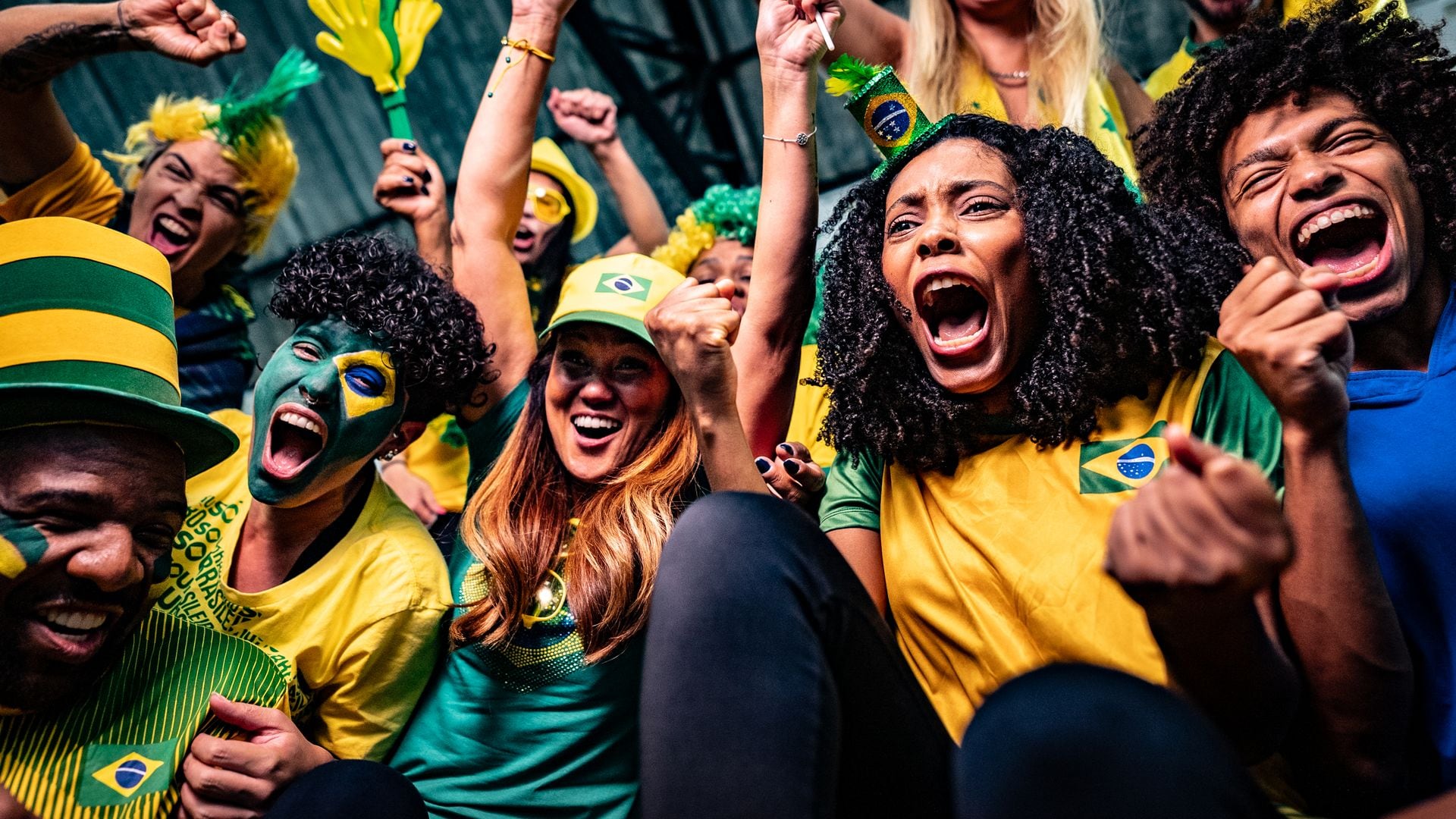
Every four years, the FIFA World Cup becomes much more than a football tournament. It turns into a global festival powered by millions of fans who travel, sing, dress up, and celebrate together. From Rio to Rabat, from Seoul to Stockholm, streets glow with flags, murals, and team colors. During Qatar 2022 alone, more than 1.4 million visitors poured into the host nation, creating one of the most diverse gatherings in modern sports history.
This massive wave of people is what makes the FIFA World Cup a cultural event, not just a sporting one. Strangers become friends in fan zones. Rival supporters trade scarves and take selfies. A Brazilian, a Moroccan, and a Mexican can end up chanting together in the same square. That sense of shared excitement is what transforms football into a worldwide celebration that feels closer to a traveling carnival than a simple competition.
As the crowd is divided into two teams during each match, weeks, days, and hours before the event, World Cup fans kick off the season with traditional ceremonies that begin long before the referee blows the whistle. Pre-match rituals are serious business. In England, pubs fill hours before kickoff as supporters sing “Three Lions” and rehearse chants.
In Brazil, drums and samba rhythms take over the streets near stadiums and fan parks. These gatherings act like emotional warmups, building energy long before the teams step onto the pitch. Inside the stadium, rituals grow even louder. Iceland’s Viking Clap has become one of the most famous examples, with thousands of fans raising their arms and shouting in slow, thunderous unison.
Many supporters also bring personal superstitions. Some wear the same lucky shirt for every match. Others follow strict routines at home or in fan zones, convinced it helps their team win.
When national anthems begin, everything reaches a peak. Fans sing with their hands on their hearts, often drowning out the official sound system. These moments remind everyone that the World Cup is not only about players on the field but also about the pride and emotion of entire nations.
Fan Fashion That Turns Stadiums Into Runways
One of the most searchable and shareable parts of FIFA World Cup culture is fan fashion. Stadiums look like moving art galleries made of face paint, flags, costumes, and bold colors. Supporters paint their faces like national flags, wear oversized wigs, and design outfits that reflect their heritage and team identity.
Every country brings its own style. Swiss fans wear giant cheese hats. English supporters show up dressed as knights with St George crosses on their faces. Mexican fans mix sombreros with lucha libre masks. Japanese fans add playful cosplay. Moroccan fans proudly wear lion-themed costumes to honor the Atlas Lions.
Qatar 2022 added a new twist. Many visiting supporters embraced local culture by wearing traditional Qatari thobes styled in their team colors. Photos of these outfits spread across social media, turning fan fashion into a global trend. This mix of tradition and creativity is part of what makes every World Cup visually unforgettable.
Chants, Drums, and the Soundtrack of Football
Close your eyes during a World Cup match, and you still feel the energy. Chants, drums, whistles, and clapping create a soundtrack that never stops. Some songs cross borders, like “Olé Olé Olé” or the “Seven Nation Army” chant that began with Italy’s 2006 run.
Other chants belong to specific nations. England still sings “Football’s Coming Home” with hopeful irony. Argentine fans fill stadiums with emotional songs that last long after the final whistle.
Instruments also play a huge role. Vuvuzelas defined the South Africa 2010 World Cup. Brazilian samba bands bring brass and percussion. Latin American supporters beat massive drums. These sounds are not just noise. They motivate players, intimidate opponents, and give each tournament its own audio identity.
Digital Age World Cup Traditions
Social media has transformed FIFA World Cup fandom. Every goal now triggers millions of reaction videos, memes, and posts. Platforms like TikTok, Instagram, and X make it possible for fans at home to feel part of the action in real time.
In 2022, Japanese fans went viral for staying after matches to clean up stadiums. Senegal supporters did the same, showing respect and positivity that spread around the world. Hashtags like #FIFAWorldCup connect people across borders, turning online spaces into global fan zones.
Digital culture means a single dance, chant, or emotional moment can become a worldwide trend in minutes. This keeps World Cup traditions alive and evolving between tournaments.