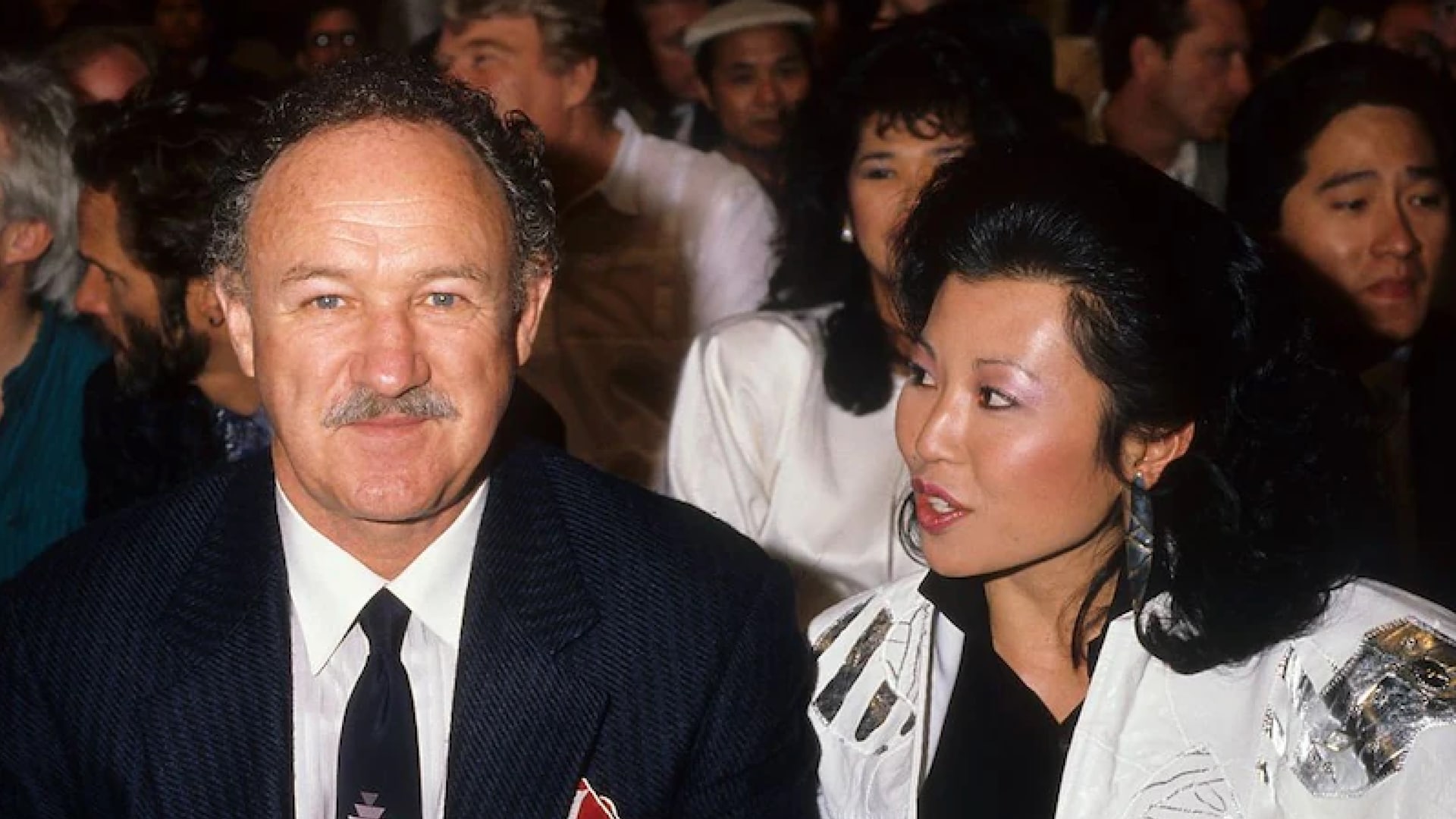
Gene Hackman and Betsy Awakawa's deaths sent shockwaves due to the tragic details. The couple spent their last moments in their New Mexico estate, the location where Betsy may have contracted hantavirus pulmonary syndrome. Their bodies lay there for at least 9 days, and nearly a year later, it's on the market.
The 13,000-square-foot gated estate sits on a 53-acre compound in The Land of Enchantment and has an asking price of $6.25 million.
The last images and videos the public saw of the home gave a dark look at the couple's final days. Rat droppings and urine were spilled about, and the home was in general disarray.
Hackman purchased the property in the 1990s and lived there throughout their marriage. All their personal belongings have been removed, and it's been professionally staged for the listing according to listing agents Tara S. Earley and Ricky Allen of Sotheby’s International Realty, who spoke to the Wall Street Journal.
As for who will get the money, Trust and family law attorney David A. Esquibias, who is not affiliated, told PEOPLE that the couple's pour-over will likely left everything to a trust.
"When you have a married couple, though, the issue is who dies first, and in this case, Betsy died first, so she left everything to the Gene Hackman trust. He outlives her. So he theoretically inherits from Betsy into his trust, and then when he dies, his trust goes to whoever his trust beneficiaries are," Esquibas says.
The actor had who weren't named in his will. Although it's not confirmed, they could have inherited his $80 million fortune. We may never know.
Nearly one year later
The 95-year-old's and his wife's bodies were discovered on February 26 by maintenance workers. It's believed that the 65-year-old died first from hantavirus infection, a disease spread by rat urine and feces.
Gene was found on the floor near a walking cane and sunglasses, while Betsy was discovered on a bathroom floor beside a space heater.
In the autopsy, her lungs were described as heavy and congested, with fluid accumulation in her chest and mild hardening of the vessels supplying blood to her heart and body, according to the Associated Press.
Records from the New Mexico Department of Public Health obtained by PEOPLE revealed that officials found rodent nests and droppings scattered throughout the property, including in garages and sheds.
In the days before her death, Betsy had been searching online and making calls about flu-like symptoms and breathing exercises, according to the AP. From Feb. 8 through the morning of Feb. 12, her research included whether COVID-19 could cause dizziness or nosebleeds. Investigators also found an open prescription bottle near her, with pills scattered on the bathroom counter.
She had texted her massage therapist on Feb. 11, explaining she needed to reschedule after Gene woke up feeling sick, saying it was “out of an abundance of caution.” Dr. Josiah Child, a retired ER physician and director of Cloudberry Health Clinic in Santa Fe, later said Betsy contacted his office on Feb. 12, disputing early reports that she died the day before. He said she sounded well while following up on an echocardiogram appointment she had scheduled for Hackman, though she never showed up later that day.
Betsy had been Gene’s primary caregiver as he lived with advanced Alzheimer’s. A toxicology report later showed a low level of acetone in Gene’s system, suggesting he may not have eaten for an extended period. Authorities also determined that Hackman’s pacemaker last recorded activity on Feb. 17, pointing to the couple having died more than a week before they were discovered.
After their deaths, Gene’s daughter publicly thanked Betsy for caring for him, saying she had “taken very, very good care of him” and was deeply saddened by her passing.