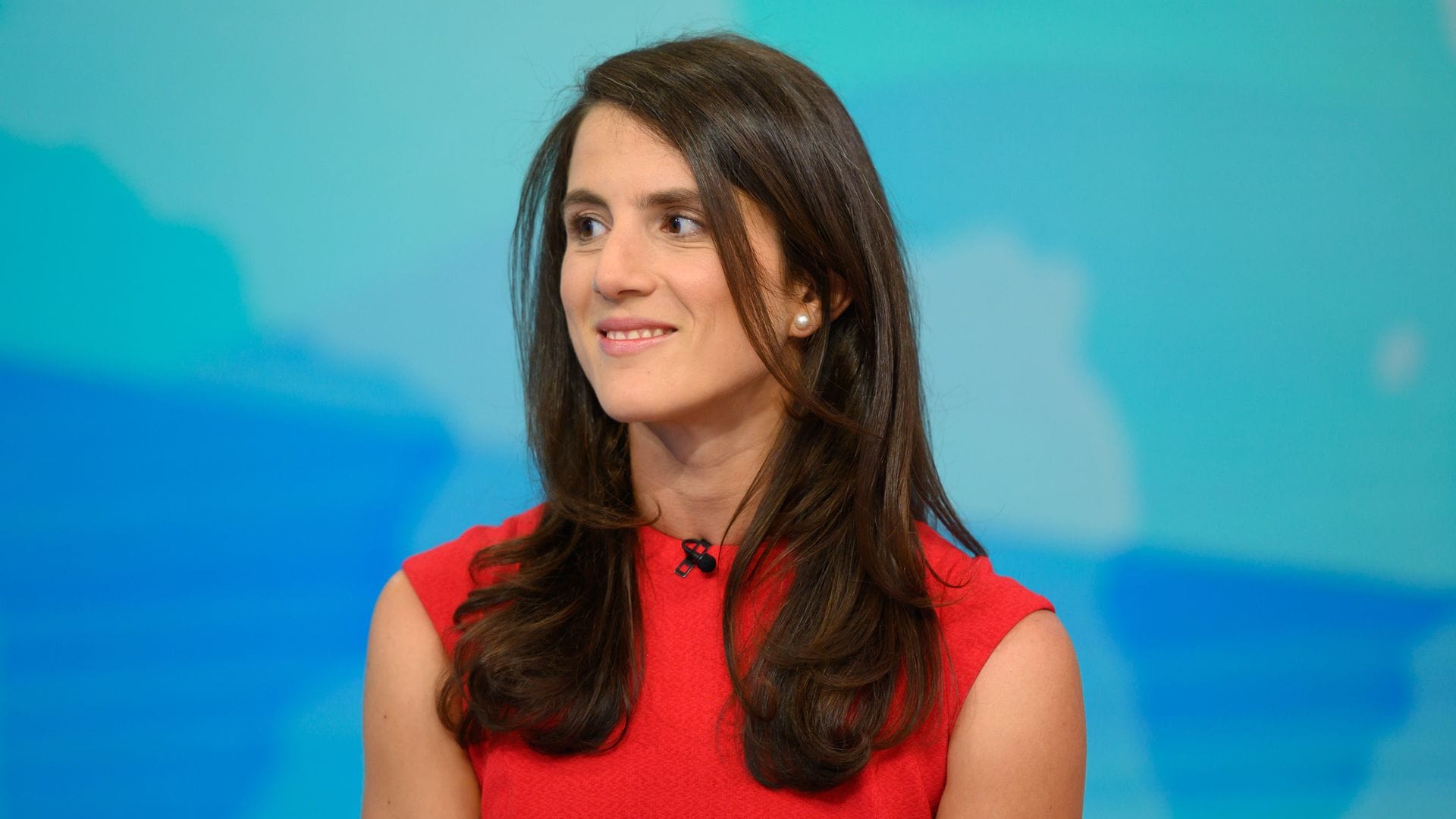
Tatiana Schlossberg, the granddaughter of President John F. Kennedy and daughter of Caroline Kennedy, has died at the age of 35 after a courageous battle with acute myeloid leukemia.
The news was confirmed on December 30 by the John F. Kennedy Library Foundation, which shared a statement on Instagram from her extended family. “Our beautiful Tatiana passed away this morning. She will always be in our hearts.” The post was signed, “George, Edwin and Josephine Moran, Ed, Caroline, Jack, Rose and Rory.”
Schlossberg’s death comes just weeks after she publicly revealed her terminal diagnosis in a moving essay for The New Yorker on November 22, 2025. In it, she recounted the moment she learned she was gravely illshortly after giving birth to her second child in May 2024. A routine blood test revealed an elevated white blood cell count, and further tests confirmed acute myeloid leukemia.
“I did not — could not — believe that they were talking about me,” she wrote. “I had swum a mile in the pool the day before, nine months pregnant. I wasn’t sick. I didn’t feel sick. I was actually one of the healthiest people I knew.”
Tatiana and her husband, George Moran, who married in 2017, are parents to two young children, a son, 3, and a daughter, born in 2024. The young mother shared the heartbreak of not being able to fully care for her newborn daughter during her grueling treatment.
“I didn’t ever really get to take care of my daughter—I couldn’t change her diaper or give her a bath or feed her, all because of the risk of infection after my transplants. I was gone for almost half of her first year of life. I don’t know who, really, she thinks I am, and whether she will feel or remember, when I am gone, that I am her mother,” she wrote.
Her essay also detailed the deep support of her family during her months of chemotherapy, hospital stays, and two bone marrow transplants. Her older sister, Rose Schlossberg, 37, donated stem cells for her first transplant, while her brother Jack, 32, was a half-match who inquired with doctors about the possibility of using a partial match.
“My brother was a half-match, but he still asked every doctor if maybe a half-match was better, just in case,” she recalled. “Our family has held my hand unflinchingly while I have suffered, trying not to show their pain and sadness in order to protect me from it. This has been a great gift, even though I feel their pain every day.”
Despite her illness, Schlossberg reflected on her family life with warmth and gratitude. She described her husband as “perfect” and marveled at the small ways he cared for her, noting, “[George] would go home to put our kids to bed and come back to bring me dinner. I know that not everyone can be married to a doctor, but, if you can, it’s a very good idea. He is perfect, and I feel so cheated and so sad that I don’t get to keep living the wonderful life I had with this kind, funny, handsome genius I managed to find.”
A Yale and Oxford graduate, Schlossberg had carved out a respected career in environmental journalism, frequently writing about climate change and ocean conservation.
She authored the 2019 book 'Inconspicuous Consumption: The Environmental Impact You Don’t Know You Have 'and contributed to The New York Times, as well as her newsletter, News from a Changing Planet. “My plan, had I not gotten sick, was to write a book about the oceans—their destruction, but also the possibilities they offer,” she said.
“My son knows that I am a writer and that I write about our planet. Since I’ve been sick, I remind him a lot, so that he will know that I was not just a sick person.”
Her essay also reflected the weight of her family’s legacy. Schlossberg’s mother, Caroline, was just five days shy of her sixth birthday when President Kennedy was assassinated, and years later, Caroline lost her only living sibling, John F. Kennedy Jr., in a tragic plane crash.
Writing candidly, Tatiana reflected on the sense of bringing yet another tragedy to her family. “For my whole life, I have tried to be good, to be a good student and a good sister and a good daughter, and to protect my mother and never make her upset or angry. Now I have added a new tragedy to her life, to our family’s life, and there’s nothing I can do to stop it.”
Throughout her final months, Schlossberg focused on her children and her memories. “Mostly, I try to live and be with them now,” she wrote. “But being in the present is harder than it sounds, so I let the memories come and go. So many of them are from my childhood that I feel as if I’m watching myself and my kids grow up at the same time. Sometimes I trick myself into thinking I’ll remember this forever, I’ll remember this when I’m dead. Obviously, I won’t. But since I don’t know what death is like and there’s no one to tell me what comes after it, I’ll keep pretending. I will keep trying to remember.”
Tributes poured in from friends and relatives. Maria Shriver called her “a beautiful writer, journalist, wife, mother, daughter, sister, and friend,” adding, “It’s so many things, but best to read it yourself, and be blown away by one woman’s life story.”
Tatiana Schlossberg’s death marks a profound loss for her family and for the journalism community. Her courage, intellect, and commitment to her family and the planet leave an indelible legacy, one that will be remembered not only in the halls of history but in the hearts of those who loved her.